Health news and discussion on TalkFuse.
Panic at the Costco? Let’s not fall for doomer freak-outs — again
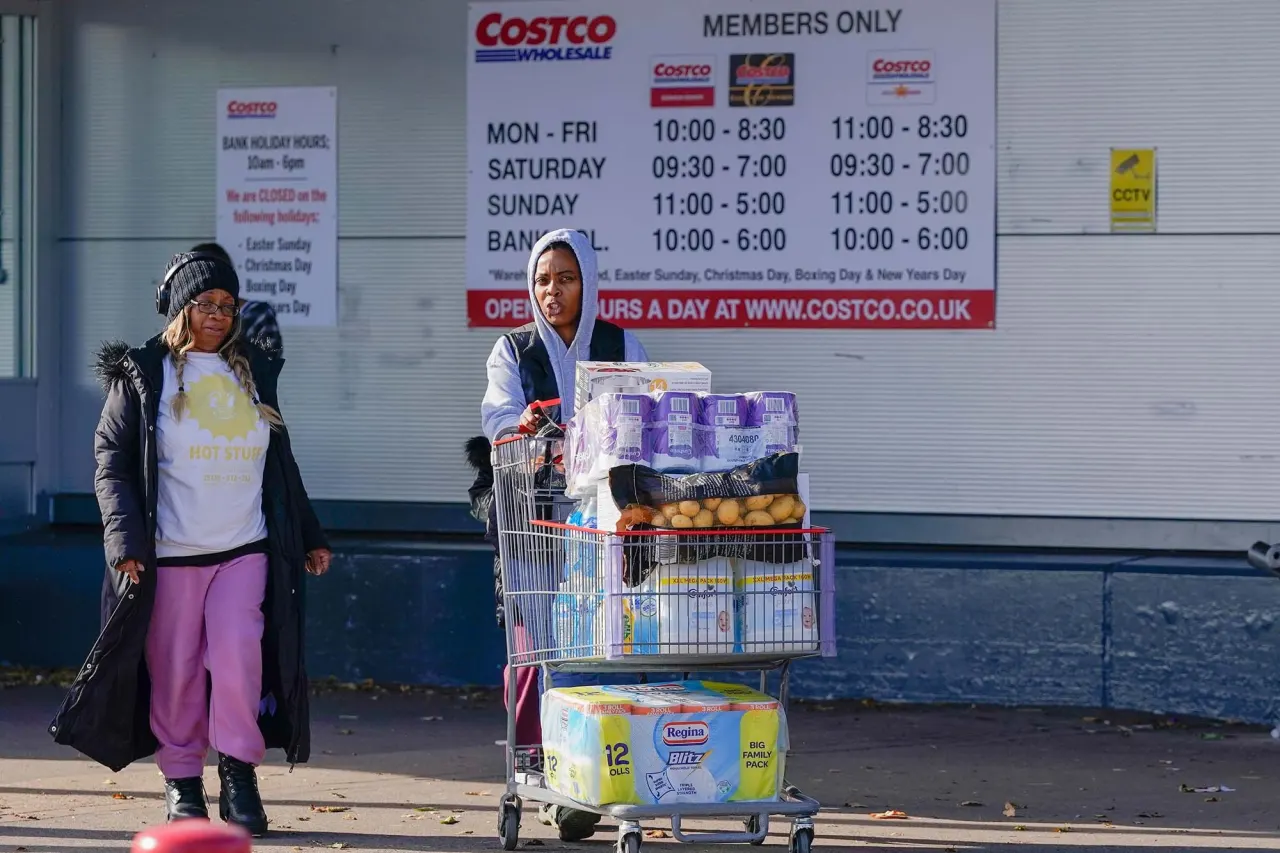
The article argues that recent technology and service outages have fuelled public fears that modern systems may be close to collapse, but says people should avoid jumping to that conclusion. It suggests anxiety and social media are amplifying the incidents, and that seeing several failures close together does not necessarily mean they share a cause or signal a wider crisis.
The piece lists disruptions affecting Microsoft services, US air travel, the National Security Agency, United Airlines and JPMorgan Chase; the organisations and companies said the glitches were not cyberattacks. It also notes that emergency-preparedness advice in several countries has been modest, such as Britain’s recommendation to keep 72 hours of food, water and medication. The author recommends preparing for likely short-term disruptions, such as severe weather, rather than stockpiling a year of supplies for extreme scenarios.
In short
- Recent outages have heightened fears of a wider breakdown.
- The organisations involved said the glitches were not cyberattacks.
- Prepare sensibly for likely disruptions, such as severe weather.
Steelman: both sides, in good faith
The strongest fair case each way — we don't pick a winner.
The case for
Several prominent outages happening close together can understandably raise concerns about how dependent daily life is on interconnected services, even if each incident has a separate cause. Sensible preparation for a few days without power, travel or online services can help households cope with likely disruptions and reduce pressure on emergency services.
The case against
A cluster of outages does not by itself show that systems are approaching collapse or that the incidents share a cause; treating it as proof can magnify anxiety and spread misleading claims. Preparing for plausible local emergencies is prudent, while extensive stockpiling for highly speculative scenarios may bring cost and stress without matching the risks most people are likely to face.
Explained simply
Modern life depends on many connected services, including software, air travel, banking and government systems. When several have problems around the same time, people may wonder whether the failures are linked or point to a wider breakdown, though timing alone does not show a shared cause.
The organisations involved in the reported disruptions said they were not caused by cyberattacks. Governments including the UK offer basic advice for coping with short-term emergencies, such as keeping enough food, water and essential medicines for three days.
The issue matters because outages can affect everyday services, while fears about them can spread quickly online. Understanding the difference between practical preparation and predictions of a broad collapse helps put individual incidents in context.