World news and discussion on TalkFuse.
NY’s power grid won’t keep up with demand in 5 years and could spark blackout crisis: report
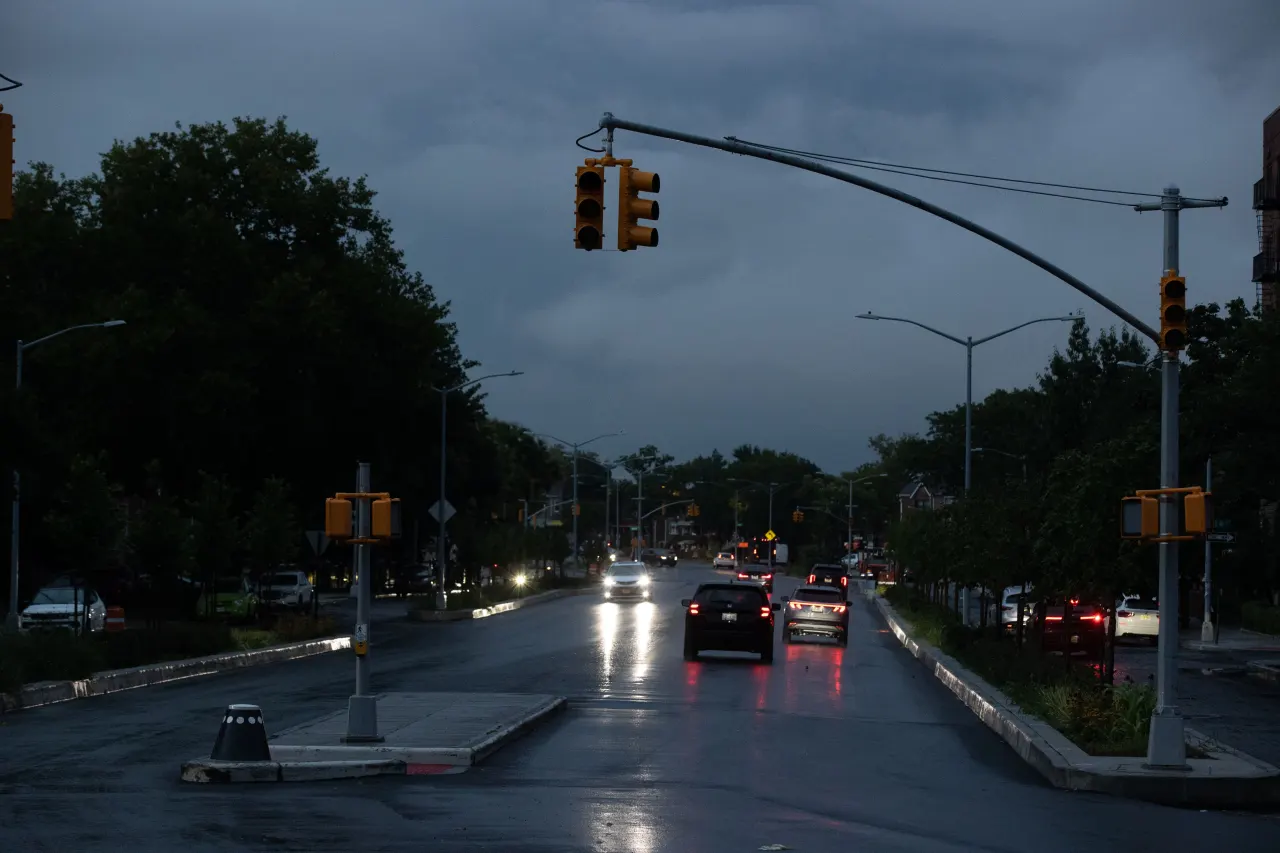
A New York grid operator warns the state may not have enough electricity to meet demand by 2032, raising the risk of planned blackouts during periods of high use. The forecast matters because new power stations and transmission lines can take years to build, while demand is rising and existing supply is becoming less reliable.
The projected statewide shortfall reaches 1,850 megawatts by 2036, close to the roughly 2,000 megawatts generated by the Indian Point nuclear plant before it closed in 2021. The report says New York may need new generation or electricity imports from other states or Canada; it also highlights transmission constraints affecting New York City, which new upstate generation alone would not resolve. Governor Kathy Hochul has announced plans for 1,000 megawatts of new nuclear capacity, but no timeline for bringing it online was provided.
In short
- NYISO warns of a possible statewide power shortfall by 2032.
- The projected 2036 deficit is 1,850 megawatts.
- New York City faces transmission constraints as well as supply concerns.
Steelman: both sides, in good faith
The strongest fair case each way — we don't pick a winner.
The case for
The forecast supports acting early: power plants and transmission lines take years to build, and waiting until shortages are imminent could leave households and businesses exposed to planned outages. New nuclear generation, other supply, and stronger links to neighbouring grids could improve reliability, particularly if investment addresses New York City’s transmission constraints as well as the statewide shortfall.
The case against
A forecast of possible shortages several years ahead is uncertain, so committing to costly infrastructure before demand and supply trends become clearer could burden consumers or lock the state into poor choices. Imports, efficiency measures, demand management, and better use of existing capacity may help meet peak needs, allowing officials to respond in stages while weighing reliability against cost and environmental impacts.