World news and discussion on TalkFuse.
Canada’s China partnership raises US concerns over tariffs and security
Developed over time first seen 1 day ago
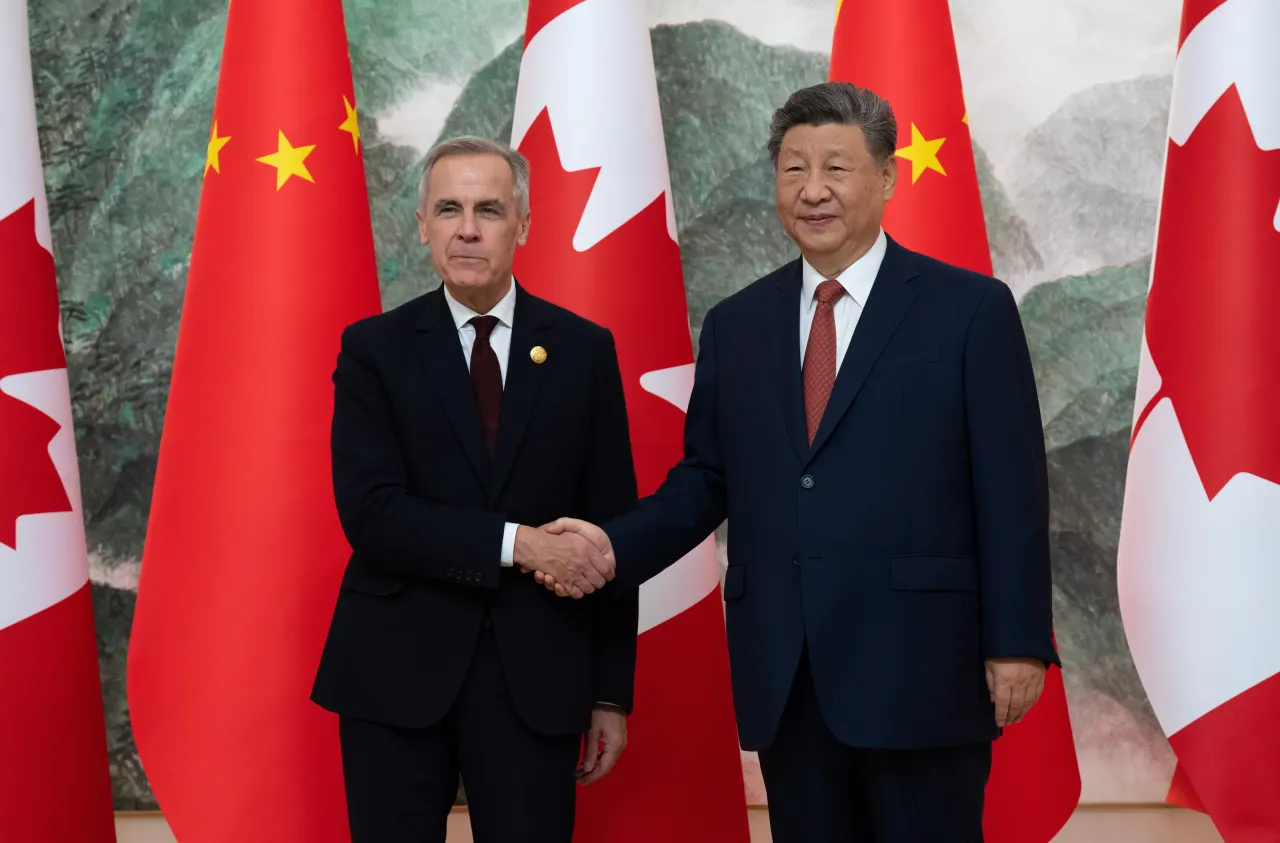
Canadian Prime Minister Mark Carney announced an expanded strategic partnership with China shortly before US President Donald Trump was due to meet Chinese leader Xi Jinping. The opinion article argues that the move could make it easier for Chinese goods to reach the US through Canada, raising concerns because the countries share close trade, defence and intelligence ties.
The agreement includes plans to waive tariffs on 32 Chinese steel and aluminium entities. The article also points to Canada’s reduction of tariffs on Chinese electric vehicles from 100% to 6.1%, plans to import at least 49,000, and proposals for Chinese carmakers to build vehicles in Canada. It warns that goods made there might enter the US under the USMCA, while presenting the view that Carney is moving Canada closer to Beijing; that interpretation is the writer’s argument.
- Sources
- 2
- Outlets
- 2
- Left · Centre · Right
- 1 · 0 · 1
In short
- Canada announced an expanded partnership with China.
- Plans include tariff waivers for 32 steel and aluminium entities.
- The article warns of possible trade and security implications for the US.
How this story developed
- 19 hours ago The account added that Canada’s Five Eyes membership and role in the US security perimeter heighten the author’s concerns about Chinese goods potentially reaching the US through Canada under the USMCA.
- 19 hours ago Mark Carney announced a wider partnership with China shortly before a Trump-Xi summit, prompting an opinion writer to question its implications for US trade and security ties with Canada.
Where outlets differ
Left-leaning outlets 1
Only here: carney, growing, trade, ties, concern
Right-leaning outlets 1
Only here: partnership, raises, concerns, tariffs, security
Every side used: canada, china
Headline columns compared word for word; nothing in them is AI-written.
Steelman: both sides, in good faith
The strongest fair case each way — we don't pick a winner.
The case for
A closer trade partnership with China could bring Canada investment, more affordable goods and new export opportunities, while giving it greater room to pursue its own economic interests. Lower tariffs and possible vehicle production in Canada may support jobs and supply chains, and USMCA rules and security reviews can address concerns about goods entering the US or sensitive technology risks. Maintaining trade with China need not mean weakening Canada’s intelligence and defence ties with its allies.
The case against
Deeper trade with China could increase dependence on a strategic competitor and give Chinese firms greater access to North American markets, potentially complicating US efforts to limit that access. If Chinese manufacturers produce in Canada, USMCA rules may create routes into the US market, while gaps in screening could raise concerns about sensitive technology and supply chains. Given Canada’s close intelligence and defence integration with the US and other Five Eyes partners, critics argue that the partnership could create risks extending beyond trade.
Explained simply
Canada and the United States are linked by a trade agreement called USMCA, which also includes Mexico. It sets rules for trade across North America, including when goods made in one member country can be sold in another. Canada and the US also share responsibility for defending their airspace and work together on security.
China is a major trading partner for both countries, but the US has sought to restrict some Chinese goods and technology over concerns about economic competition and security. Canada is also part of Five Eyes, an intelligence-sharing partnership with the US, UK, Australia and New Zealand. These overlapping trade and security ties help explain why changes in Canada’s relationship with China draw attention in Washington.
Coverage · 2 sources
Bias meters
From 2 rated sources.
Read the full article at the source →
Originally published by New York Post as “Canada PM Mark Carney’s China deal sets a five-alarm fire for US security”.