Technology news and discussion on TalkFuse.
IEA forecasts 70% rise in datacentre emissions by 2030
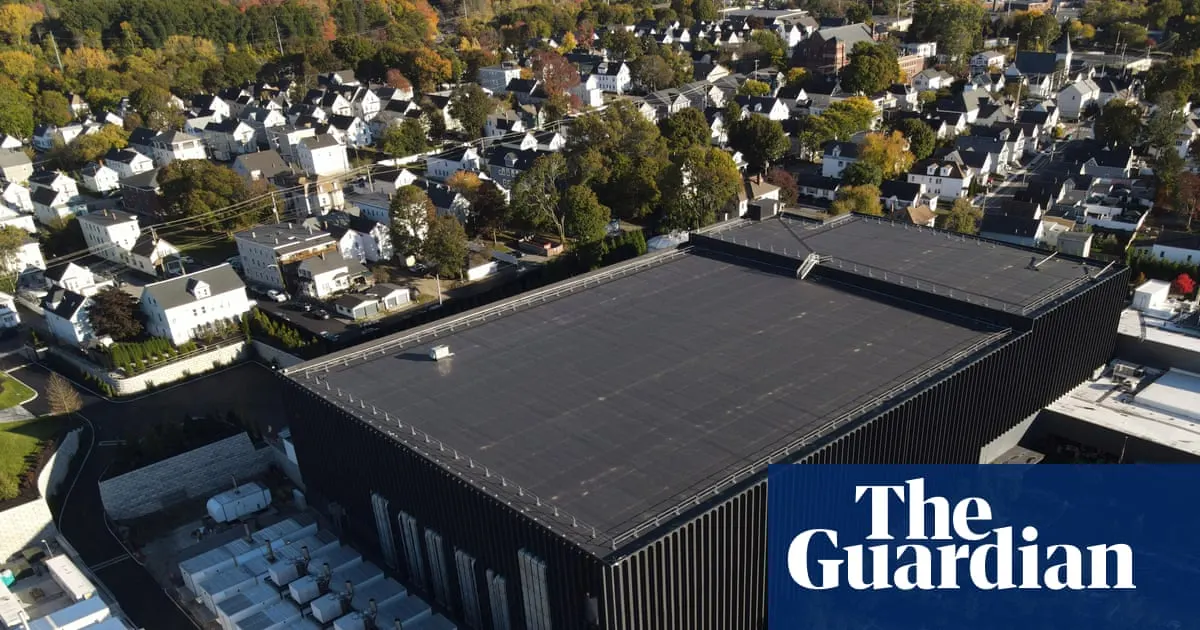
The International Energy Agency (IEA) warns that emissions linked to datacentres could rise by 70% by 2030 as demand for computing, especially artificial intelligence, grows. Datacentres are forecast to use twice as much electricity as they do today, with AI accounting for about three-quarters of the increase.
The IEA expects the US to rely on gas for around 60% of datacentre electricity by 2030, while coal could supply about half of China’s AI datacentre power. In the EU, renewables are expected to provide about 70%. The agency estimates AI datacentres will require an additional 350 terawatt-hours of electricity each year by 2030, more than Great Britain’s current annual consumption.
In short
- Datacentre emissions could rise 70% by 2030.
- AI is expected to drive three-quarters of electricity demand growth.
- The US and China are set to rely heavily on fossil fuels.
Steelman: both sides, in good faith
The strongest fair case each way — we don't pick a winner.
The case for
AI and datacentres can support scientific research, productivity and new services, so meeting their rising electricity needs may bring substantial economic and social benefits. Reliable power is essential, and using gas or other available generation could help prevent shortages while cleaner capacity and grids are built.
The case against
A steep rise in datacentre emissions would make climate goals harder to meet, particularly if new demand is supplied by gas and coal. The scale of projected electricity use also raises questions about whether AI’s benefits justify the added strain on power systems, and strengthens the case for efficiency, cleaner energy and more careful management of demand.
Explained simply
Datacentres are buildings that house computer servers and the equipment needed to store and process digital information. They support online services, businesses and artificial intelligence, which requires powerful computers to handle large amounts of data.
The International Energy Agency is an organisation that analyses energy systems and advises governments. As demand for computing grows, datacentres need more electricity, and the effect on emissions depends partly on how that power is generated.
The issue matters because electricity use by datacentres is rising while many countries are trying to reduce greenhouse gas emissions. The balance between fossil fuels and lower-emission sources such as wind and solar will shape the climate impact of that growth.
AI Americas Asia Business Climate Science Technology World
Read the full article at the source →
Originally published by The Guardian as “Datacentres to create 70% more carbon emissions by 2030, IEA report warns”.