Culture news and discussion on TalkFuse.
National Gallery exhibition reveals playful puzzles in Van Eyck portraits
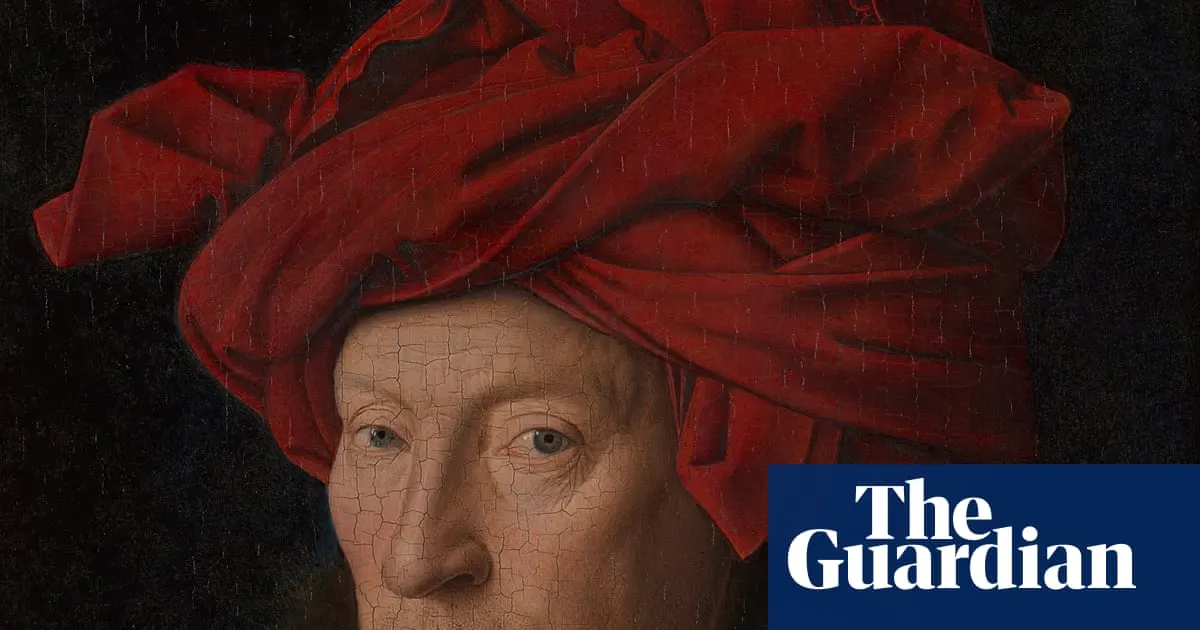
A National Gallery exhibition brings together 10 surviving portraits by Jan van Eyck, showing how his painstakingly realistic faces draw viewers into the world of 15th-century Flanders. The paintings’ lifelike detail is matched by inscriptions and visual puzzles that make looking at them an active, sometimes playful experience.
The portraits are mostly small, with sitters shown at an angle; the Arnolfini portrait is the exception. Margaret van Eyck’s frame says her husband completed her portrait on 15 June 1439, when she was 33, while Jan de Leeuw’s inscription identifies him as a Bruges goldsmith and records that Van Eyck began his portrait in 1436. The review also highlights Van Eyck’s motto, “as I can”, which can sound both modest and boastful.
In short
- Ten surviving portraits reveal Van Eyck’s extraordinary realism.
- Inscriptions identify sitters and complicate what viewers see.
- The paintings invite close looking and playful interpretation.
Explained simply
Jan van Eyck was a painter working in the 15th century, when Flanders—now part of Belgium and neighbouring regions—was a prosperous centre of trade and craft. Portraits offered a way to record the appearance and status of individuals, including merchants and skilled workers.
Van Eyck is known for close attention to detail, and some of his portraits include inscriptions that identify the sitter or give dates. These details can provide clues about the people depicted and how the paintings were made. His motto, “as I can”, has been read in more than one way.
Read the full article at the source →
Originally published by The Guardian as “Tricks! Traps! Riddles! Jan van Eyck’s portraits look vividly real – but are full of secret messages. What do they mean?”.