World news and discussion on TalkFuse.
Birmingham was once the envy of the world but its council has forgotten what made Britain great
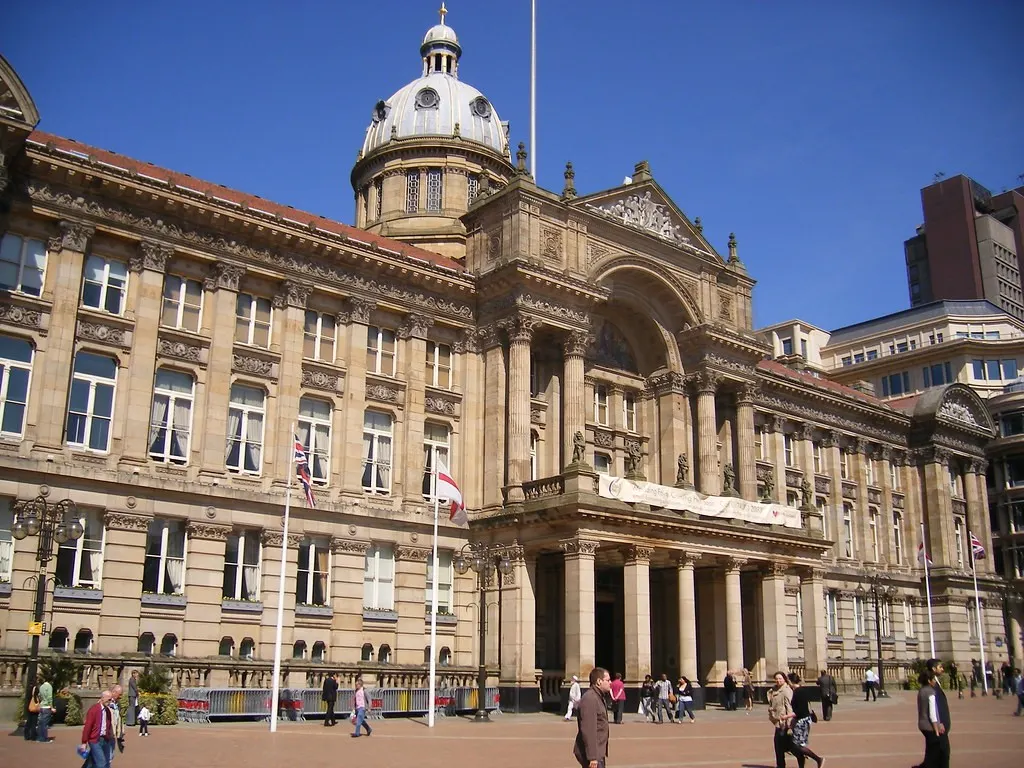
The opinion article criticises Birmingham City Council’s new Liberal Democrat and Green administration for a heritage strategy that, according to the author, emphasises diversity and demographic groups while omitting the word “British”. It argues that this approach overlooks the city’s shared history and national identity, and presents the strategy as an example of identity politics.
The article recalls Birmingham’s growth into an industrial centre associated with Matthew Boulton, James Watt, Joseph Chamberlain and the Mini, and notes its former reputation for good governance. It says the council’s report links the strategy to grant requirements, while also citing financial difficulties and long-running bin collection problems. The author contrasts the plan with Conservative proposals to fly the national flag, teach children about St George’s Day and England’s history, and reflect Victorian architecture in new buildings.
In short
- Birmingham’s new heritage strategy omits “British”, the author says.
- The article argues the plan prioritises demographic identity over shared history.
- It links the strategy to grant requirements and contrasts it with Conservative proposals.
Steelman: both sides, in good faith
The strongest fair case each way — we don't pick a winner.
The case for
A heritage strategy should recognise the history and institutions that shaped Birmingham, including its industrial achievements and its place in Britain, so residents can see a shared civic story reflected in public policy. Critics may reasonably worry that a focus on demographic groups, without an explicit account of common national and local inheritance, risks narrowing that story and weakening a sense of belonging across communities.
The case against
A city’s heritage includes the lives and contributions of all its communities, and naming groups that have been overlooked can make public history more accurate and inclusive. The absence of the word “British” does not by itself show that the strategy rejects shared identity; councils may also need to meet grant conditions and address practical priorities, while choices about flags, school teaching and architectural style are separate questions from how heritage is documented.
Explained simply
Birmingham grew rapidly during the Industrial Revolution, becoming a centre for manufacturing and engineering. Figures such as industrialist Matthew Boulton, engineer James Watt and civic leader Joseph Chamberlain are associated with the city’s development; later, the Mini was made there.
The council’s heritage strategy sets out how it wants the city’s history and historic places to be recognised. Debates about such plans can involve which parts of a city’s past are highlighted, how they relate to residents today and how national identity fits into local heritage.
The council has also faced financial pressures and problems with bin collections. The article places the heritage debate alongside those issues and contrasts the current administration’s approach with proposals from Conservative politicians about national symbols, school teaching and building design.