Politics news and discussion on TalkFuse.
Outgoing GOP Senator Thom Tillis Blocks Bill That Would Ban Former Senators From Lobbying
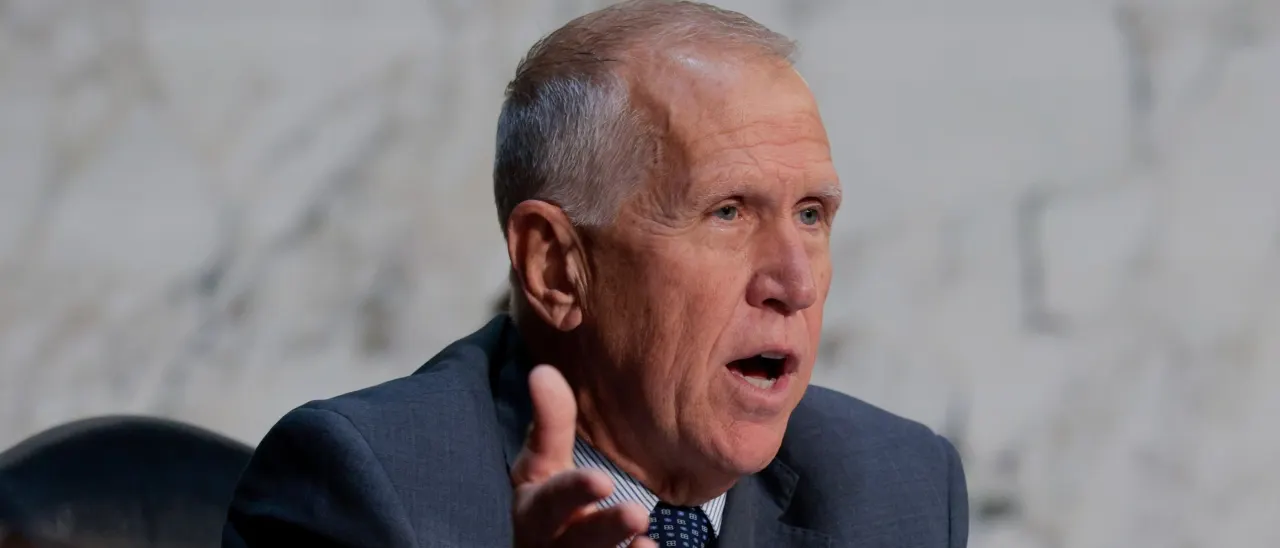
Outgoing Republican Senator Thom Tillis blocked a bipartisan bill that would have permanently barred former members of Congress from lobbying lawmakers. He said he supported the aim of limiting paid lobbying but objected because the bill’s wording could also restrict unpaid advocacy, including helping constituents and supporting causes.
Florida Republican Rick Scott sought unanimous consent to pass the Banning Lobbying and Safeguarding Trust Act on Wednesday, but Tillis’s objection stopped it. Introduced by Scott and Democratic Senator Elizabeth Warren in May, the bill would replace the current one-year cooling-off period for House members and two-year period for senators with a lifetime ban, including for former lawmakers who do not register as lobbyists. Scott said he would consider amendments; Tillis is leaving the Senate after deciding in 2025 not to seek re-election.
In short
- Tillis blocked a bill for a lifetime lobbying ban.
- He said its wording could restrict unpaid advocacy.
- Scott offered to consider amendments.
Steelman: both sides, in good faith
The strongest fair case each way — we don't pick a winner.
The case for
A lifetime ban could reduce the risk that former lawmakers trade on their access, influence or inside knowledge for private gain, and help restore public trust in Congress. Supporters can argue that a short cooling-off period is insufficient when former members may continue to wield influence long after leaving office, and that a clear, lasting rule would apply equally regardless of whether someone formally registers as a lobbyist.
The case against
A broad lifetime ban could chill unpaid advocacy as well as paid lobbying, limiting former lawmakers’ ability to help constituents, support causes or speak on public issues. Opponents can argue that these activities are distinct from selling access, and that the bill should define and target paid influence more precisely, with safeguards for ordinary civic participation.
Explained simply
Members of Congress help make federal laws and oversee government, and they may seek paid work after leaving office. Under current rules, former House members must wait one year and former senators two years before lobbying Congress.
Lobbying means trying to influence public decisions, often on behalf of an organisation or client. The proposed bill would impose a lifetime ban on former lawmakers lobbying Congress, including those who do not register as lobbyists. It was introduced by Republican Senator Rick Scott and Democratic Senator Elizabeth Warren.
The debate concerns how to limit the influence of paid work after public office while defining what former lawmakers may still do. That distinction matters because advocacy can also include unpaid activities, such as helping constituents or supporting a cause.