World news and discussion on TalkFuse.
Reagan’s peace through strength won the Cold War. Can America do it again?
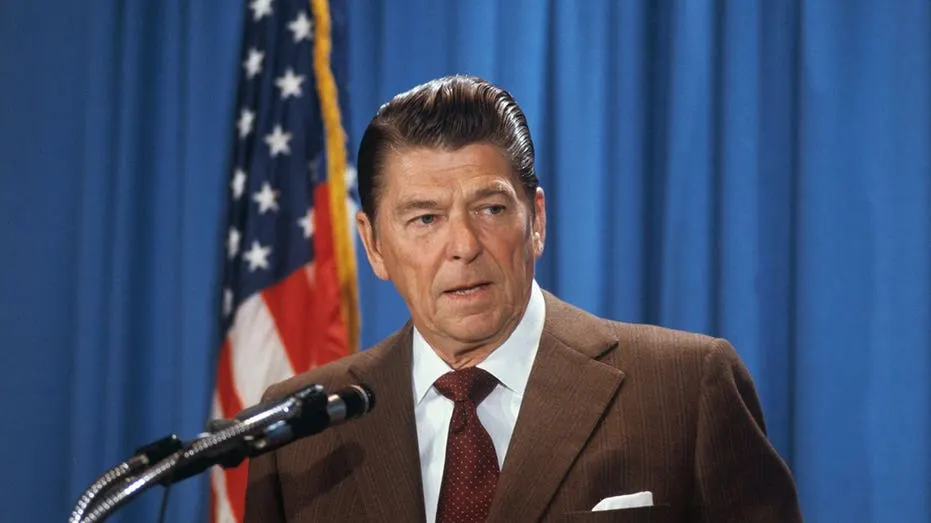
The article argues that Ronald Reagan’s “peace through strength” approach helped the United States recover military strength and win the Cold War, and asks whether America can repeat that effort today. It reviews Roger Zakheim’s book on the political and policy work behind Reagan’s defence build-up, presenting it as a lesson in how sustained investment and public and congressional support can shape national security.
The build-up involved advisers including Caspar Weinberger and Frank Carlucci, and lawmakers from both parties; it faced setbacks such as the MX missile dispute and advanced initiatives including Pershing II deployments and the Strategic Defense Initiative. The article says military assets need continual renewal, while the national debt has risen from less than $1 trillion in 1981 to more than $40 trillion today. It adds that President Trump has secured initial funding for renewing defence infrastructure, but questions whether the effort will continue amid political and fiscal constraints.
In short
- Reagan’s military build-up is presented as a factor in winning the Cold War.
- The article says America’s ageing arsenal requires ongoing renewal.
- US debt has risen from under $1 trillion in 1981 to over $40 trillion.
Steelman: both sides, in good faith
The strongest fair case each way — we don't pick a winner.
The case for
A strong case for renewing Reagan-style defence investment is that credible military strength can deter aggression and give diplomacy greater weight, while ageing equipment and infrastructure may leave the United States less able to respond to future threats. Reagan’s experience suggests that sustained investment, bipartisan backing and public support can make a long-term defence effort possible.
The case against
A strong case for restraint is that the scale of today’s national debt makes another major military build-up costly, potentially crowding out other priorities and adding to fiscal pressures. The Cold War’s circumstances differ from those now, so past successes do not guarantee that similar spending would produce comparable security gains; careful choices and sustained political support matter as much as the size of the budget.
Explained simply
During the Cold War, the United States and the Soviet Union competed for military and political influence, while trying to avoid direct war. President Ronald Reagan’s “peace through strength” policy paired efforts to increase US military capability with diplomacy and arms negotiations.
Reagan’s defence plans involved advisers such as Caspar Weinberger and Frank Carlucci, as well as support from lawmakers in both parties. Proposals including Pershing II missiles and the Strategic Defense Initiative faced debate and political setbacks, making public and congressional backing important to the programme.
The debate matters because military equipment and infrastructure need regular renewal, which requires long-term funding and political support. The United States now has far more public debt than it did in 1981, so defence spending competes with other demands on government funds.