Culture news and discussion on TalkFuse.
Half of Leave voters want closer cooperation with the European Union on immigration, polls finds
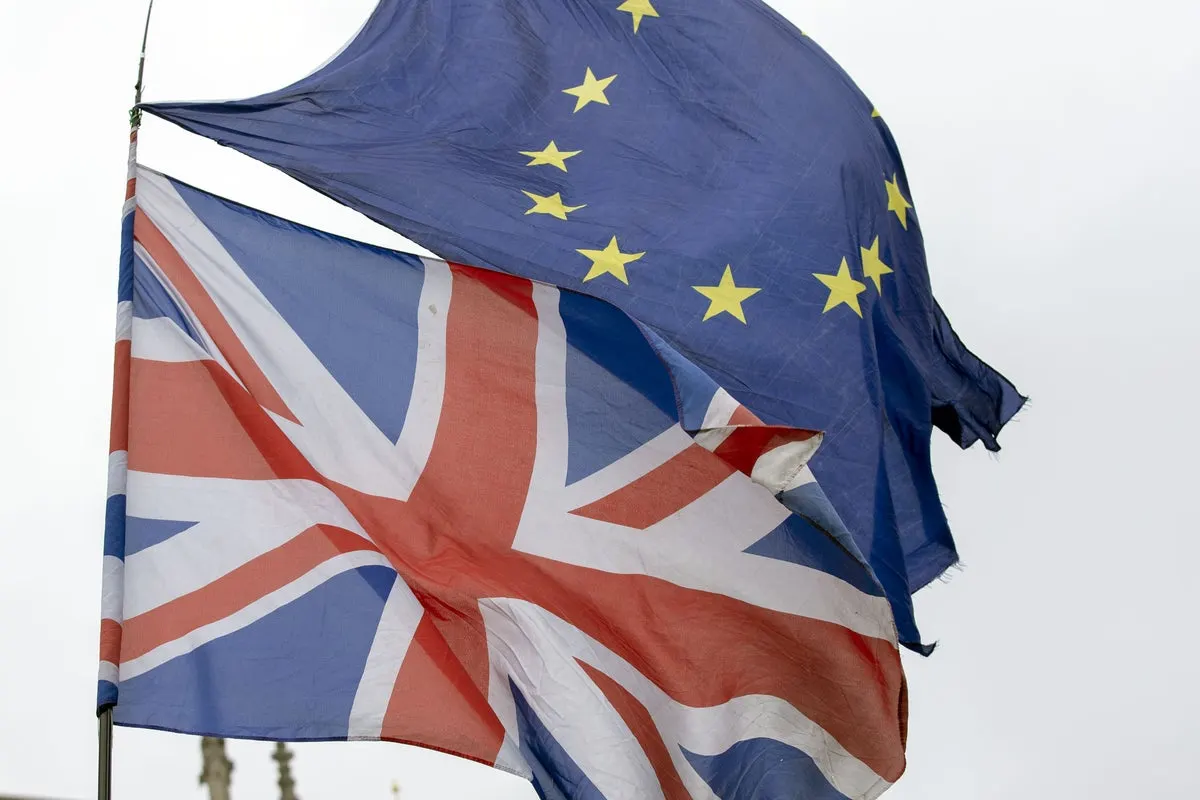
A poll found that nearly half of people who voted Leave want the UK to cooperate more closely with the EU on immigration. The findings came ahead of Andy Burnham’s Brussels summit, where new agreements are expected on food, energy and youth mobility, as politicians debate how to improve relations after Brexit.
In the Savanta survey of 2,195 people, 48 per cent of Leave voters prioritised migration cooperation, compared with 37 per cent of the public overall; 36 per cent of Leave voters prioritised trade and 37 per cent defence. Reform UK voters showed a similar pattern, while the public overall put reducing trade barriers first at 44 per cent. A possible youth mobility scheme is also under discussion, with reports suggesting a cap of 80,000 to 100,000 visas.
In short
- 48 per cent of Leave voters want closer EU cooperation on immigration.
- The poll preceded a UK-EU summit on new agreements.
- A youth mobility scheme could offer up to 100,000 visas.
Steelman: both sides, in good faith
The strongest fair case each way — we don't pick a winner.
The case for
Closer cooperation with the EU could help the UK manage migration more effectively through shared information, practical agreements and clearer routes for mobility. The poll suggests many Leave voters see cooperation as compatible with Brexit, and agreements may also support trade, energy and other shared interests.
The case against
Cooperation should not blur the UK’s ability to set and enforce its own immigration rules, which many voters regarded as central to Brexit. Any mobility scheme or migration agreement should be judged on its terms, including its effects on border control, public services and democratic accountability, rather than assumed to be beneficial because it improves relations.
Explained simply
The UK left the European Union in 2020, ending its membership of the bloc and changing how it works with EU countries on trade, travel and migration. The EU is a group of European countries that make some shared rules and agreements, while each member country also has its own government and immigration policies.
Since Brexit, the UK and EU have discussed ways to co-operate in areas where they have shared interests. Andy Burnham is a British politician involved in talks in Brussels, the EU’s main centre for institutions and diplomacy; possible areas for agreement include food, energy and youth travel.
Immigration has been a prominent issue in UK politics, including during the Brexit debate. A youth mobility scheme would allow young people to live and work in another country for a limited period, under agreed rules.
Culture Elections Europe Geopolitics Politics Travel World