Science news and discussion on TalkFuse.
EU agrees to delay methane emissions law to 2029
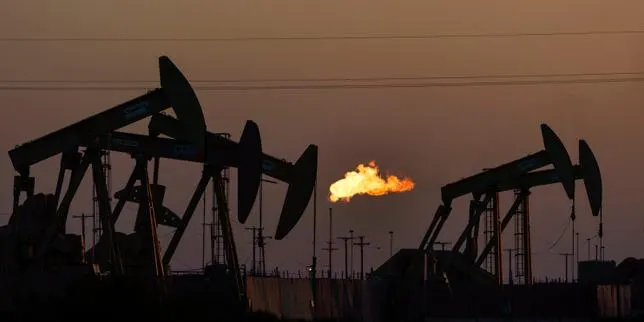
The EU Council and European Parliament have reached a provisional agreement to delay by two years some methane rules for fossil fuel imports. The change gives importers and governments more time to prepare, with the EU citing energy security and pressure on supply chains and prices while retaining its stated commitment to cutting methane emissions.
Monitoring, reporting and verification requirements for imported natural gas, crude oil and coal will start on 1 January 2029, rather than 1 January 2027. Methane-intensity reporting for importers and EU producers moves from August 2028 to August 2030; the European Commission is to review implementation by 1 January 2028. The agreement still requires formal approval by both institutions.
In short
- EU lawmakers provisionally agreed to delay some methane rules by two years.
- Importer reporting requirements now begin on 1 January 2029.
- Methane-intensity reporting for importers and EU producers moves to August 2030.
Steelman: both sides, in good faith
The strongest fair case each way — we don't pick a winner.
The case for
The delay gives importers and governments more time to establish monitoring and reporting systems, which could ease pressure on supply chains and energy prices while protecting energy security. A phased timetable may also make the rules more workable and support lasting compliance, while leaving the EU’s stated goal of cutting methane emissions in place.
The case against
Methane is a potent greenhouse gas, so postponing requirements could delay better measurement and accountability for emissions from fossil fuel imports. Keeping the original timetable would signal that climate obligations remain urgent and encourage companies to prepare sooner, rather than extending uncertainty for another two years.
Explained simply
Methane is a powerful greenhouse gas released during the production and transport of fossil fuels, including natural gas, oil and coal. The EU’s methane rules are intended to measure and limit emissions linked to these fuels, including those imported from outside the bloc.
The European Commission proposed the rules, while the EU Council, which represents member states, and the European Parliament negotiate and approve EU laws. Importers and governments need systems to track emissions and provide information, including on methane intensity, a measure of emissions relative to the amount of fuel supplied.
The rules matter because methane emissions contribute to climate change, while fossil fuels remain important to Europe’s energy supply. The timetable reflects the challenge of preparing supply chains and reporting systems alongside the EU’s climate aims.