World news and discussion on TalkFuse.
Annabel Fenwick Elliott takes emergency planning seriously amid growing unease
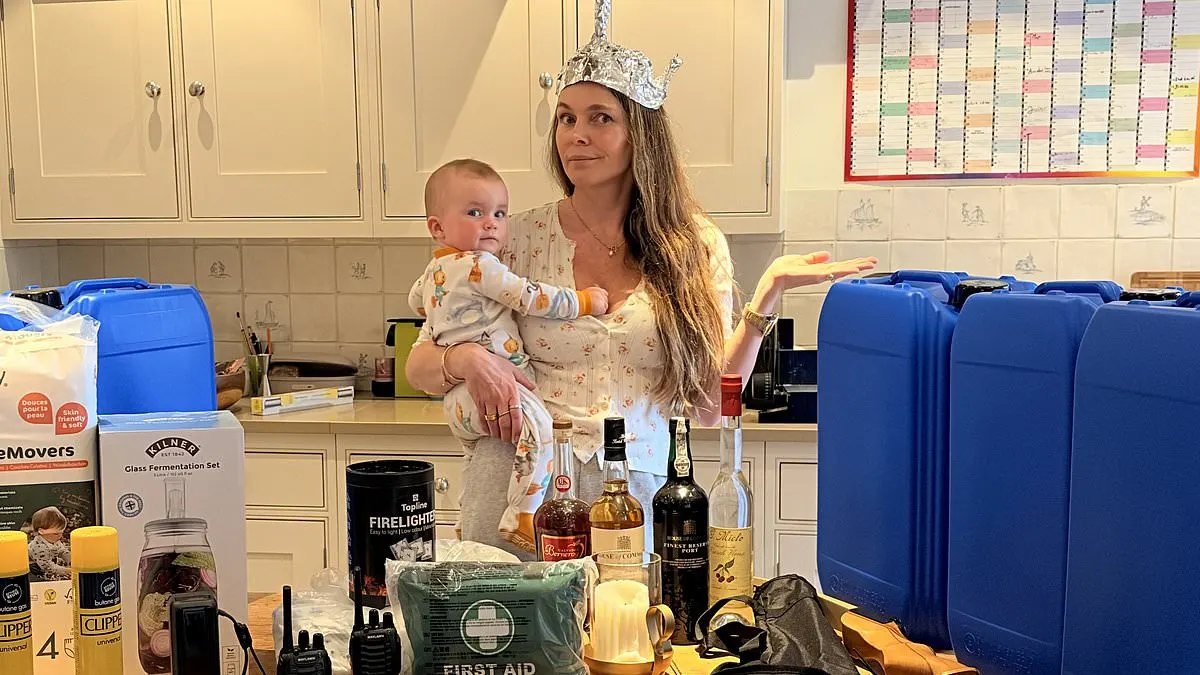
Annabel Fenwick Elliott says she has begun taking the possibility of a major emergency seriously, after previously dismissing preppers and doomsday warnings. She links recent technology and banking outages, reports of supermarket freezer disruptions and government preparedness advice, arguing that the accumulation of these events has made her uneasy.
She says she and her husband have stored drinking water, matches, a bow and arrow, walkie-talkies and months’ worth of non-perishable food. The article states that at least 33 countries have issued household preparedness guidance, while Britain’s “Be Ready” campaign recommends keeping three days of essentials, including a battery radio and first-aid kit. Her concerns are presented as personal suspicions and conversations with friends; the article offers no evidence that the incidents are connected or that a larger event is imminent.
In short
- A columnist says she is preparing for a possible emergency.
- Her household has stockpiled water, food and other supplies.
- Government guidance recommends keeping three days of essentials.
Steelman: both sides, in good faith
The strongest fair case each way — we don't pick a winner.
The case for
Taking basic precautions can be a sensible form of personal responsibility when households may face temporary outages or other disruptions, even if no larger emergency is imminent. Recent service failures and official preparedness advice can reasonably prompt people to keep water, food and communication supplies, offering some resilience without requiring certainty about the cause or likelihood of future events.
The case against
A cluster of outages and supply problems does not by itself show that a major emergency is more likely or that the incidents are connected, so treating them as signs of impending crisis risks overstating the evidence. Extensive stockpiling or weapons may bring cost and anxiety, while following proportionate official guidance can help households prepare without letting speculation drive decisions.
Explained simply
Household emergency planning involves keeping supplies and information available if essential services such as electricity, communications or banking are disrupted. Governments in several countries have issued guidance to help people cope for a short time if normal services are unavailable.
In Britain, the Be Ready campaign recommends having three days’ worth of essentials, including drinking water, a battery radio and a first-aid kit. Annabel Fenwick Elliott says she has stored food and other items with her husband after becoming more concerned about possible disruptions.
Outages and freezer problems can have different causes, and the article provides no evidence that the incidents mentioned are connected or point to an imminent major emergency. The wider context is the distinction between routine preparedness advice and personal concern about what future disruptions might bring.
Read the full article at the source →
Originally published by Daily Mail as “I used to laugh at preppers. But friends in high places tell me they think something big and bad is coming. And Covid was just the dress rehearsal: ANNABEL FENWICK ELLIOTT”.