World news and discussion on TalkFuse.
‘The Hairiest 90 Minutes of My Career’: How the FAA Ground Stop Went Down
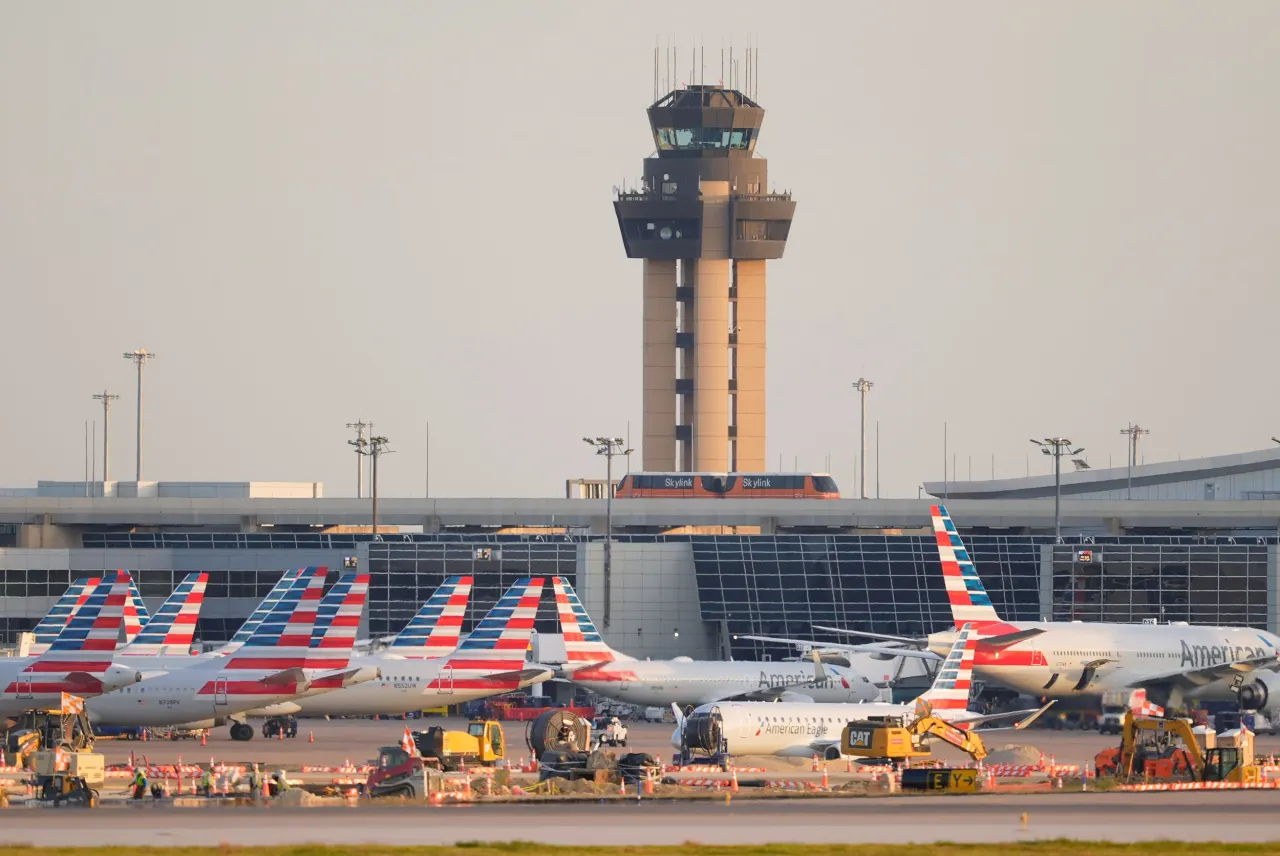
A routine upgrade to the FAA’s air traffic control communications network triggered a data overload and disrupted some radio frequencies on Friday. The FAA ordered a ground stop as a precaution, while controllers switched to backup frequencies and worked to establish what had failed.
The problem began at a remote facility in El Dorado, Arkansas, during a contractor’s switch from copper lines to fibre-optic connections; a faulty router appears to have sent about 1,000 connection attempts every four to five seconds. The FAA said a site in Amarillo, Texas, may also have added excess data, and the resulting overload affected several radio frequencies. The network upgrade was around 70 per cent complete, and the agency said some radio and radar systems remained available to track and communicate with aircraft.
In short
- A network upgrade caused an FAA communications outage.
- A router sent about 1,000 connection attempts every four to five seconds.
- The FAA halted flights as a precaution while controllers used backups.
Explained simply
The Federal Aviation Administration (FAA) oversees air traffic control in the United States. Controllers use communications networks to speak with pilots and coordinate aircraft movements, and backup frequencies can help them stay in contact when part of the system is disrupted.
The upgrade involved replacing older copper connections with fibre-optic lines at remote facilities. A router at one site appears to have generated repeated connection requests, adding excess data to the network; another site may also have contributed. The incident matters because controllers need reliable radio links to keep aircraft safely separated, even when other radio and radar systems remain available.