World news and discussion on TalkFuse.
Sheherazaad – ‘Khudgarzi’ album review: gorgeous folk tales of ‘selfish women’
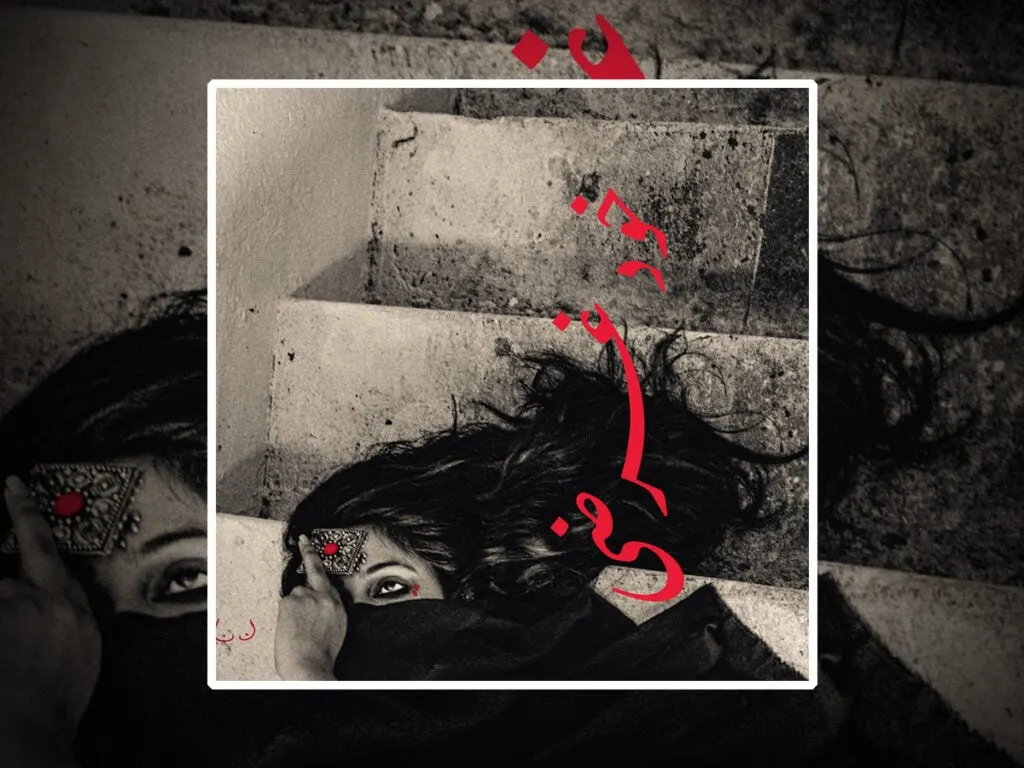
Sheherazaad’s debut album, *Khudgarzi*, retells folk stories rooted in her South Asian heritage from the perspectives of women whose desires and choices are often dismissed. Its title means “selfishness” and refers to “selfish woman”, a phrase used to discredit women seeking agency in patriarchal societies; the review argues that the album turns this label into a way of exploring their voices.
The songs range from revenge in “Qatil” to a search for solace in “Registaan”. The music combines South Asian percussion, including tablas, mridangam and ghatam, with Sheherazaad’s voice used rhythmically and sparse touches of cello and guitar. Though grounded in stories from South and West Asia and North Africa, the review sees their themes as widely relatable.
In short
- Sheherazaad’s debut retells folk tales through women’s perspectives.
- “Khudgarzi” reframes “selfishness” as a pursuit of agency.
- Sparse South Asian percussion shapes the album’s sound.
Explained simply
Sheherazaad is a singer and songwriter whose debut album draws on folk stories from South Asia and nearby regions. These tales are retold through women’s perspectives, giving space to characters whose wishes and decisions are often overlooked.
The title, Khudgarzi, means “selfishness”. In societies where women may be criticised for seeking independence, “selfish” can be used to dismiss that pursuit; the album explores what those women might say in response. Its songs move between subjects such as revenge and the search for comfort.
The music brings together South Asian percussion, including tablas, mridangam and ghatam, with voice, cello and guitar. The stories have specific cultural roots, while their questions about choice and agency may also resonate with listeners elsewhere.
Asia Entertainment Music World