Politics news and discussion on TalkFuse.
Show up or risk deportation: The dilemma facing dozens of migrant families summoned to a Texas detention center
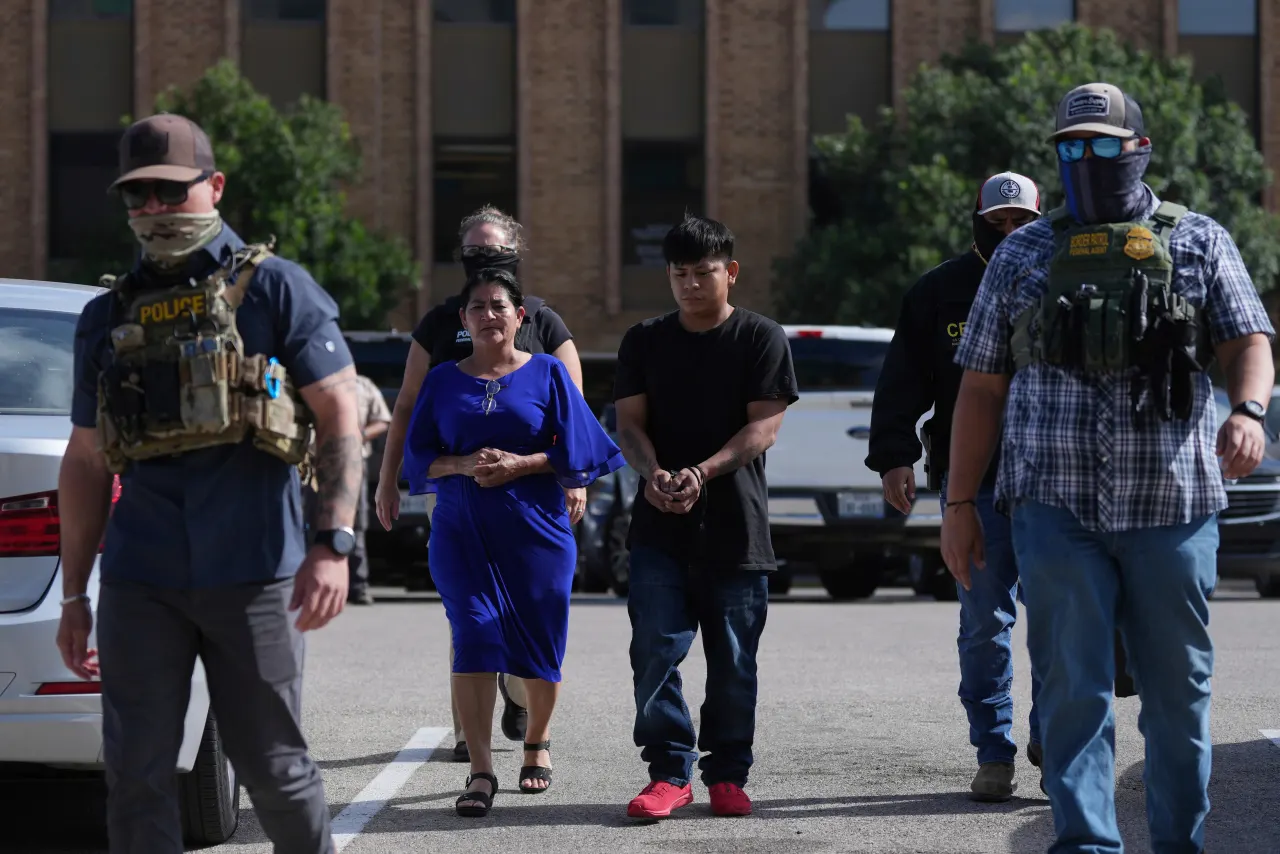
Unrepresented migrant families in Texas are being ordered to attend immigration hearings at a family detention centre, leaving them to choose between risking detention and risking deportation. Advocates say fear of arrest during the journey or at court undermines due process, particularly for families who have previously attended hearings as required.
The summonses move preliminary hearings from San Antonio to the South Texas Family Residential Center in Dilley, sometimes on only six days’ notice; one hearing scheduled for 2028 was brought forward to November 2026. Families who do not attend can receive deportation orders in absentia, while an ICE spokesperson confirmed hearings are taking place inside the centre. One woman, LP, travelled there despite fears for her daughters; the article also cites lawmakers’ concerns about conditions at Dilley, including reports of contaminated food and water and inadequate medical care.
In short
- Families face detention or deportation after Dilley hearing summonses.
- Hearings are being moved with little notice.
- Advocates say fear may undermine access to due process.
Steelman: both sides, in good faith
The strongest fair case each way — we don't pick a winner.
The case for
Requiring families to attend scheduled hearings can support the orderly administration of immigration law and ensure cases are decided on the evidence, rather than delayed indefinitely. Holding hearings at a detention centre may be defended as an operational choice that allows officials to manage proceedings in a secure setting, while the summons gives families a chance to appear and avoid an order in their absence.
The case against
Families without lawyers may reasonably see a hearing inside a detention centre as carrying a serious risk of arrest, especially when they must travel there and have little notice. If that fear deters attendance, or if accelerated hearings and reported problems at the facility undermine a meaningful chance to prepare and be heard, the process may weaken due process even as it seeks to enforce immigration law.
Explained simply
US immigration courts decide whether people without permission to remain in the country can stay or must leave. Families may have preliminary hearings before a judge while their cases proceed. People without lawyers have to understand and respond to court notices themselves.
Immigration and Customs Enforcement (ICE) runs detention centres, including the South Texas Family Residential Center in Dilley. Moving a hearing to a detention centre can affect whether families feel able to attend, while missing a hearing can lead to a deportation order. The issue matters because it involves access to the court process and the possibility that parents and children could be detained.