World news and discussion on TalkFuse.
Myanmar becomes the first state ever to be prosecuted for genocide following 2017 slaughter of the Rohingya
Developing story first seen 8 hours ago
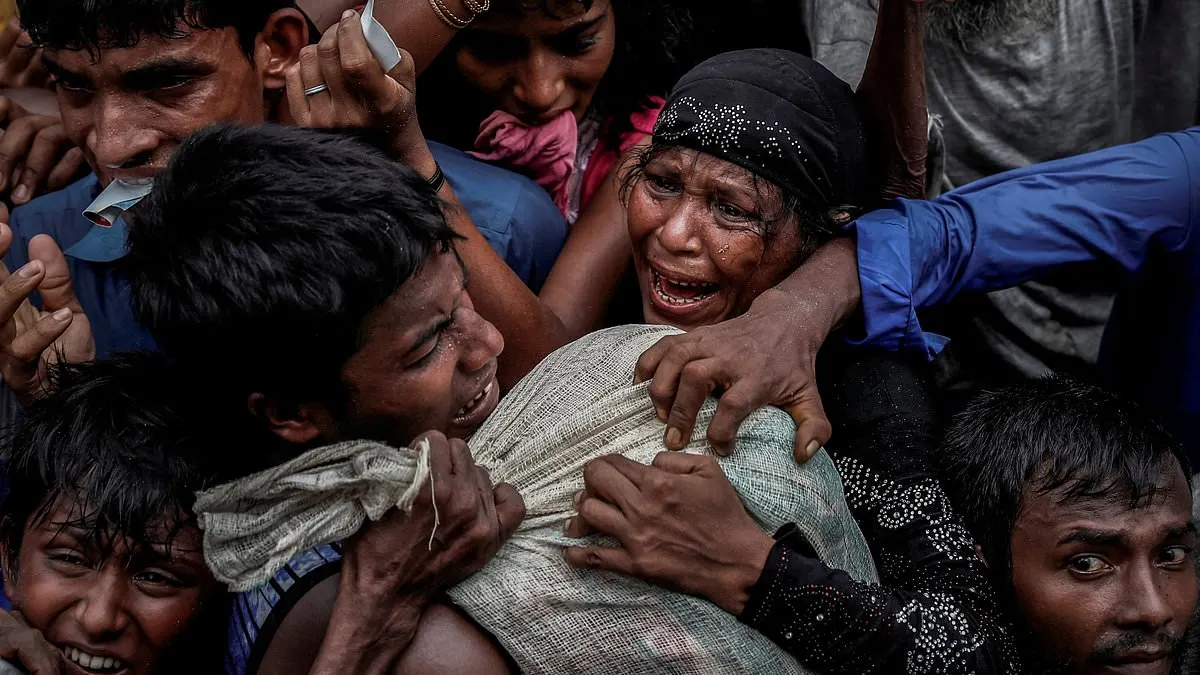
The court said evidence showed Myanmar’s forces killed about 10,000 Rohingya during the 2017 campaign, adding a key figure to its landmark finding that the state committed genocide. The ruling is the first time the International Court of Justice has found a state responsible for genocide.
The 15-judge panel ruled 9-6 and rejected Myanmar’s claim that the campaign was a legitimate operation against insurgents. It ordered Myanmar to investigate and punish those responsible, pay compensation, and enable Rohingya to return safely and voluntarily; the amount of compensation will be decided later. The Gambia brought the case in 2019 under the 1948 Genocide Convention.
- Sources
- 3
- Outlets
- 3
- Left · Centre · Right
- 1 · 0 · 2
In short
- Evidence indicated about 10,000 Rohingya were killed.
- The ICJ ruled Myanmar committed genocide.
- Myanmar must investigate, compensate and support safe returns.
How this story developed
- 4 hours ago New details from the ruling say evidence showed Myanmar’s forces killed about 10,000 Rohingya, alongside widespread sexual violence and attacks on children and people fleeing.
- 4 hours ago The court said evidence showed Myanmar’s forces killed about 10,000 Rohingya during the 2017 campaign, adding a key figure to its landmark finding that the state committed genocide. The ruling is the first time the International Court of Justice has found a state responsible for genocide.
- 7 hours ago The International Court of Justice ruled that Myanmar committed genocide against the Rohingya, finding that its security forces violated the Genocide Convention during the 2017 campaign in Rakhine state.
Full account
The International Court of Justice (ICJ), the United Nations’ highest court, has ruled that Myanmar committed genocide against the Rohingya during the military campaign in Rakhine state in 2016–17. The 9–6 decision is the first time the court has found a state responsible for genocide, and concludes a case brought by The Gambia in 2019 under the Genocide Convention.
The judges rejected Myanmar’s argument that its actions were legitimate operations against insurgents. The court said the evidence showed genocidal acts carried out with intent to destroy a substantial part of the Rohingya population. It cited killings, sexual violence, attacks on children and violence against people fleeing. One report puts the number of Rohingya killed at about 10,000; more than 700,000 fled to Bangladesh during the campaign, amid accounts of mass killings, rape and villages being burned.
The ruling prompted visible relief and celebration among Rohingya supporters. Some survivors and community members attended the hearing in The Hague, while people in refugee camps in Bangladesh watched the decision on screens. A survivor who travelled to court said the community had at last been heard, while stressing that its struggle was not over. The Gambia described the judgment as a victory for the Rohingya.
The court ordered Myanmar to investigate and punish those responsible for genocidal acts and to provide compensation, with the amount to be determined in later proceedings. It also called for conditions enabling Rohingya to return safely, voluntarily and with dignity. The decision is being watched beyond Myanmar: governments have considered its implications for other genocide cases, including proceedings concerning Gaza. Britain’s foreign minister, Ed Miliband, called for an urgent UN Security Council session and said the UK was expelling Myanmar’s defence attaché.
Where outlets differ
From the full account, which is AI-written from the sources:
The reports agree on the 9–6 ruling and its unprecedented status, but give different measures of the campaign’s toll: one says the court found about 10,000 people were killed, while the other foregrounds the more than 700,000 who fled to Bangladesh and describes reports of mass killings without giving a court-estimated death figure.
The first report emphasises the court’s orders on return, investigation and compensation, and the emotional response at the hearing. The second gives more detail on the legal finding of genocidal intent, the case’s possible bearing on Gaza proceedings and the UK’s diplomatic response.
The first describes the case as a seven-year legal process in its opening, while the second also calls it a seven-year battle; neither supplies source links or outlet names in the material provided.
Left-leaning outlets 1
Only here: minority, world, court
Right-leaning outlets 2
- Myanmar becomes the first state ever to be prosecuted for genocide following 2017 slaughter of the RohingyaDaily Mail
- ICJ rules Myanmar committed genocide against RohingyaWashington Examiner
Only here: becomes, state, ever, prosecuted, following
Every side used: myanmar, committed, genocide, rohingya, rules
Headline columns compared word for word; nothing in them is AI-written.
Explained simply
The Rohingya are a mainly Muslim minority from Myanmar’s Rakhine state, where many have faced discrimination and restrictions on citizenship and movement. In 2017, Myanmar’s military launched a campaign in the area, forcing hundreds of thousands of Rohingya to flee, mainly to Bangladesh.
The case was brought by The Gambia, a country in West Africa, under the 1948 Genocide Convention, an international agreement that allows states to be held responsible for genocide. The International Court of Justice, the United Nations’ court for disputes between states, considered whether Myanmar had breached that agreement.
The ruling matters because it establishes Myanmar’s responsibility as a state under the Convention and sets out duties concerning accountability, compensation and the possibility of Rohingya returning safely. It is separate from criminal trials of individuals, which would determine the responsibility of specific people.
Coverage · 3 sources
Bias meters
From 3 rated sources.