Technology news and discussion on TalkFuse.
China Has Become an Excuse To Crack Down on AI Freedom
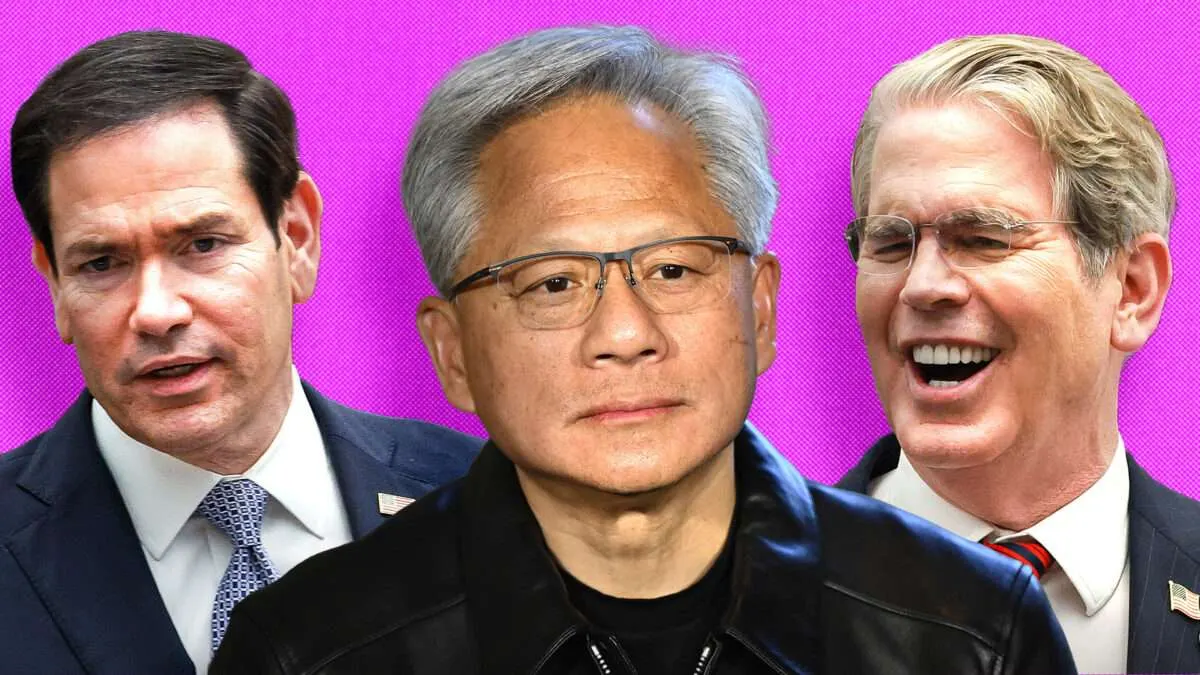
The article argues that US officials are using concerns about China to justify restrictions on open-weight AI models, which people can download, run and retrain themselves. It says the measures could narrow users’ freedom to choose AI systems and strengthen the position of companies that keep their models proprietary.
The piece traces the dispute to a proposal to ban US companies from running Chinese-made models after Moonshot AI released Kimi in July 2026. Anthropic founder Dario Amodei has called for mandatory safety testing, while Nvidia’s Jensen Huang defended an open AI ecosystem; the article says Huang recently resigned. New US chip licensing rules affect Indonesia, Malaysia, Singapore, Thailand and Brazil, and officials are reportedly considering mandatory labels for companies using Chinese models. The article also cites OpenRouter data showing open-weight models account for about 80 per cent of its traffic.
In short
- US officials are tightening rules affecting open-weight AI.
- New chip licensing rules cover five countries.
- Open-weight models account for about 80 per cent of OpenRouter traffic.
Steelman: both sides, in good faith
The strongest fair case each way — we don't pick a winner.
The case for
Restrictions on Chinese-made models and tighter chip controls may be justified if officials have credible evidence that powerful AI systems could enable security threats or be used in ways that are difficult to contain. Mandatory testing and clear labels could help identify risks and give users and organisations better information, while targeted safeguards may preserve access to open models that meet safety standards.
The case against
Broad restrictions risk treating a model’s Chinese origin or open-weight design as a proxy for actual danger, limiting users’ ability to choose, adapt and inspect AI systems. They could also concentrate power among firms that keep models proprietary, while weakening research and competition; critics argue that focused safeguards and transparency would address security concerns with less cost to openness.
Explained simply
Open-weight AI models can be downloaded and run by users, who may also adapt them for their own needs. This differs from proprietary models, which are controlled by the companies that provide them.
The debate involves US officials and technology firms, alongside Chinese AI developers such as Moonshot AI, which makes the Kimi model. Some industry figures have called for stronger safety checks, while others have argued for keeping AI broadly available.
The issue matters because rules on which models companies can use may affect people’s choice of AI tools and the balance between open and proprietary systems. US chip licensing rules also reach several countries in Asia and Brazil, giving the debate implications beyond the United States.
AI Asia Government Politics Technology World