Culture news and discussion on TalkFuse.
EU-UK talks going down to the wire, says No 10
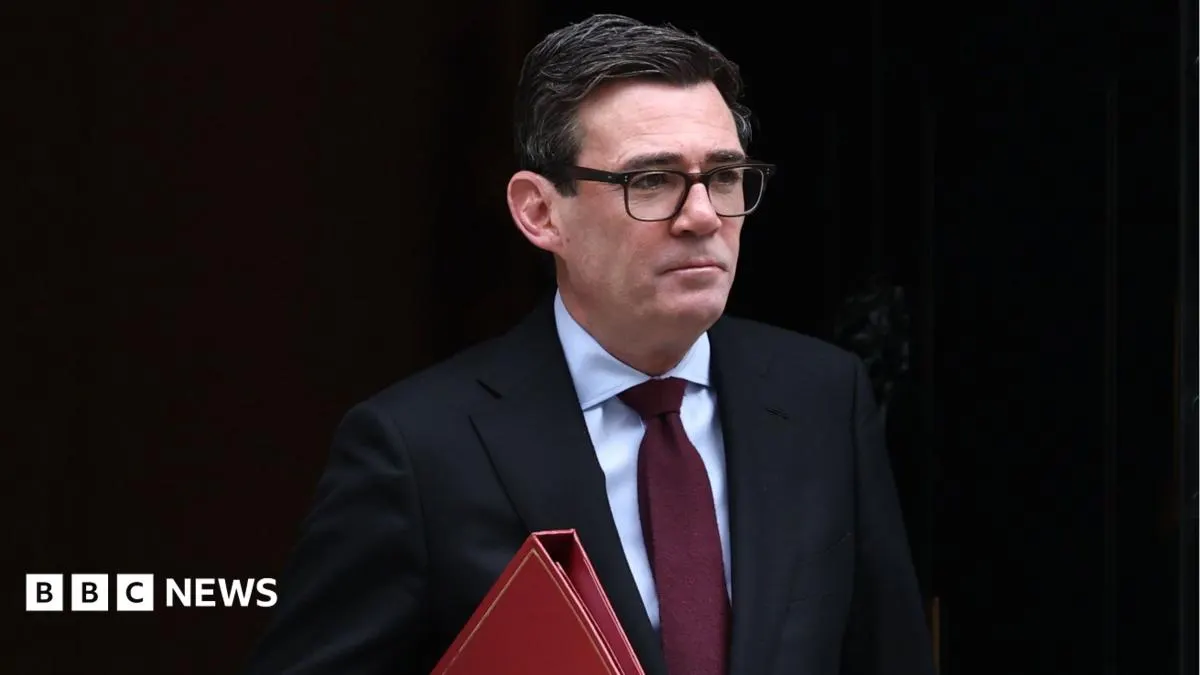
UK and EU negotiations are “going down to the wire” before Friday’s Brussels summit, Downing Street says. The talks matter because any agreements could reshape food trade, youth travel and work, and carbon emissions pricing after Brexit.
A proposed youth mobility scheme could let people aged 18 to 30 work or study across the UK and EU, but the sides disagree over limits on numbers and tuition fees. A food trade deal could reduce checks and paperwork, with the government estimating a £5bn economic boost and lower food prices; it may also require the UK to follow some EU product rules. The government says it would introduce legislation next week if a deal is reached, while Conservative leader Kemi Badenoch argues the proposals would weaken Brexit freedoms.
In short
- EU-UK talks are close to Friday’s Brussels summit.
- Youth mobility limits and student fees remain sticking points.
- A food deal could cut costs but require alignment with some EU rules.
Steelman: both sides, in good faith
The strongest fair case each way — we don't pick a winner.
The case for
Supporters argue that agreements on food trade, youth mobility and emissions pricing could deliver practical benefits: fewer checks, lower costs for businesses and consumers, and more opportunities for young people to work or study. Accepting some shared rules may be a reasonable price for closer cooperation and smoother trade, while agreements reached by the UK government would still be subject to domestic scrutiny.
The case against
Critics argue that following EU product rules could limit the UK’s ability to set its own standards and pursue distinct trade policies, weakening freedoms gained through Brexit. They may also question whether forecast savings justify those constraints, and favour retaining greater control even if that means more paperwork, higher costs or fewer cross-border opportunities.
Explained simply
The UK left the European Union in 2020, ending its participation in the bloc’s single market and customs arrangements. Since then, trade and travel between the two have been governed by new rules, including checks on some goods and limits on how easily people can live, study or work across borders.
The talks involve the UK government and EU representatives, with a possible youth scheme for 18 to 30-year-olds and changes to food trade among the issues. A closer food arrangement could reduce checks, but may mean the UK following some EU product rules; the youth scheme raises questions about participant numbers and tuition fees.
The outcome could affect the cost and movement of food, opportunities for young people, and cooperation on carbon pricing. It also touches on how the UK balances closer ties with the EU against the freedoms it gained after Brexit.
Culture Europe Food Geopolitics Politics UK World