Culture news and discussion on TalkFuse.
UK-EU reset talks will go ‘down to the wire’ as crunch summit approaches
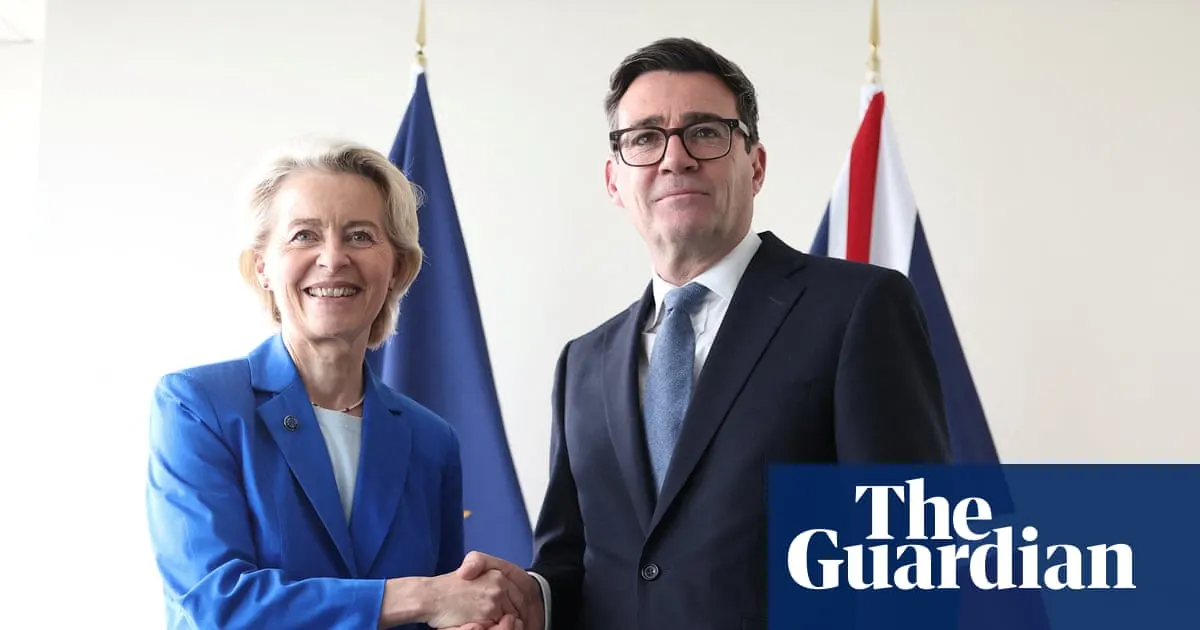
The UK and EU were still negotiating the terms of a proposed reset less than a day before Andy Burnham was due to meet EU leaders in Brussels. The talks matter because they could deliver closer economic ties, including a food and drink agreement expected to boost UK GDP, while raising questions about how much influence Britain would have over rules it agrees to follow.
Three agreements are planned, with the food and drink deal expected to take effect on 1 March 2028 and require the UK to align with EU sanitary and phytosanitary standards. Britain is seeking a formal role in shaping those rules, but the EU says it can offer a voice without a seat in lawmaking. The sides also remain divided over tuition fees and participation limits for EU students under a proposed youth mobility scheme; an EU diplomat said the talks might continue until agreement was reached.
In short
- UK-EU reset talks remained unresolved before Friday’s Brussels summit.
- A proposed food deal is expected to add 0.4% to UK GDP.
- Britain wants influence over EU food rules it would follow.
Steelman: both sides, in good faith
The strongest fair case each way — we don't pick a winner.
The case for
Supporters of the reset argue that closer economic ties could benefit businesses and consumers, with the food and drink agreement expected to boost UK GDP. Aligning with EU standards could make trade simpler, while a youth mobility scheme could strengthen links between people in the UK and EU; accepting common rules may be a reasonable price for those benefits.
The case against
Critics argue that following EU rules without a formal role in making them could leave the UK with less influence over decisions affecting its businesses. They may also question whether the expected economic gains justify that trade-off, and favour limits on EU student participation or safeguards on tuition fees in any youth mobility scheme.
Explained simply
The UK left the European Union in 2020, ending its participation in the bloc’s shared market and political institutions. Since then, the two sides have negotiated how to manage trade and cooperation while setting their own rules.
A proposed reset would bring the UK and EU closer in some areas through three agreements. One concerns food and drink: shared standards for food safety and animal and plant health could make trade easier, but would mean Britain following relevant EU rules.
A central question is how Britain would be involved in decisions about rules it follows. The proposals also include a youth mobility scheme, which would let young people spend time in the other country; tuition fees and limits on participation are among the issues under discussion.
Culture Europe Food Geopolitics Government Politics UK World