World news and discussion on TalkFuse.
Xi, Trump and Putin’s Shenzhen summit yielded few concrete commitments
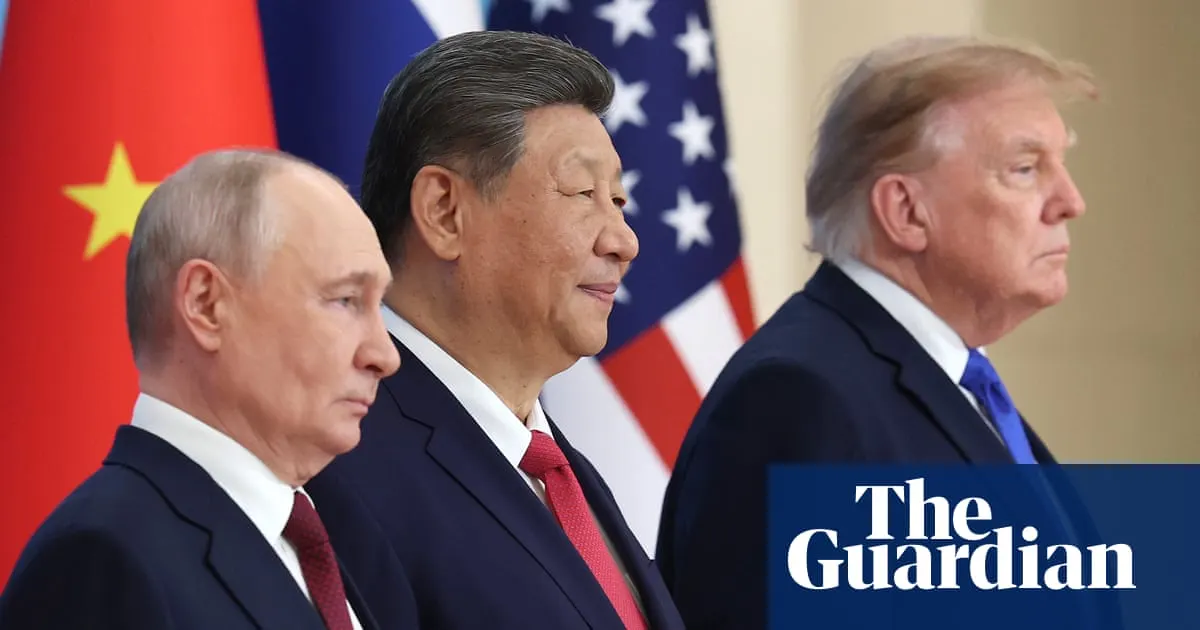
The first meeting between Xi Jinping, Donald Trump and Vladimir Putin was historic in composition, but produced few concrete commitments. The Shenzhen summit offered each leader a chance to project influence, while raising questions about the United States’ role and the growing prominence of China and Russia.
Their 90-minute joint statement covered energy supplies, United Nations reform, the International Criminal Court and nuclear disarmament, but set out no practical plans. Putin presented the meeting as a diplomatic milestone and a sign that Europe’s efforts to isolate Russia had failed; Xi gained the prestige of hosting, while Trump showed his ties with both leaders. The article contrasts the modest results with the far-reaching declarations made at wartime summits in Yalta and Tehran.
In short
- Xi, Trump and Putin met in Shenzhen for the first time.
- Their statement covered four issues but offered few concrete plans.
- The summit gave each leader a chance to project influence.
Steelman: both sides, in good faith
The strongest fair case each way — we don't pick a winner.
The case for
The summit’s value may lie in opening direct channels among leaders whose countries have major influence over security and global institutions. Even without detailed plans, a joint statement on energy, UN reform and nuclear risks could signal areas for future cooperation, while China’s hosting role and US participation may help keep diplomacy active.
The case against
A high-profile meeting without practical commitments risks offering the appearance of progress while leaving urgent disputes unresolved. The leaders may gain prestige or advance their own political narratives, while the lack of follow-through could deepen doubts about the United States’ role and the ability of major powers to address shared problems.
Explained simply
China, the United States and Russia are major powers whose leaders often meet to discuss security and the international order. Xi Jinping leads China, Donald Trump leads the United States, and Vladimir Putin leads Russia; their countries have competing interests as well as areas where they may work together.
Summits can signal that leaders are willing to talk, but their importance also depends on whether they agree on practical steps. Russia’s relations with many European countries have been strained, while China has sought a larger role in global affairs. The United Nations and the International Criminal Court are international bodies involved in diplomacy and justice, and nuclear disarmament concerns efforts to reduce or remove nuclear weapons.
Americas Asia Europe Geopolitics Politics World
Read the full article at the source →
Originally published by The Guardian as “‘New page in history?’ Xi, Trump and Putin summit was more of a footnote”.