Culture news and discussion on TalkFuse.
Everyone’s Talking About Air Travel. No One’s Talking About How ICE Flights Make It Less Safe.
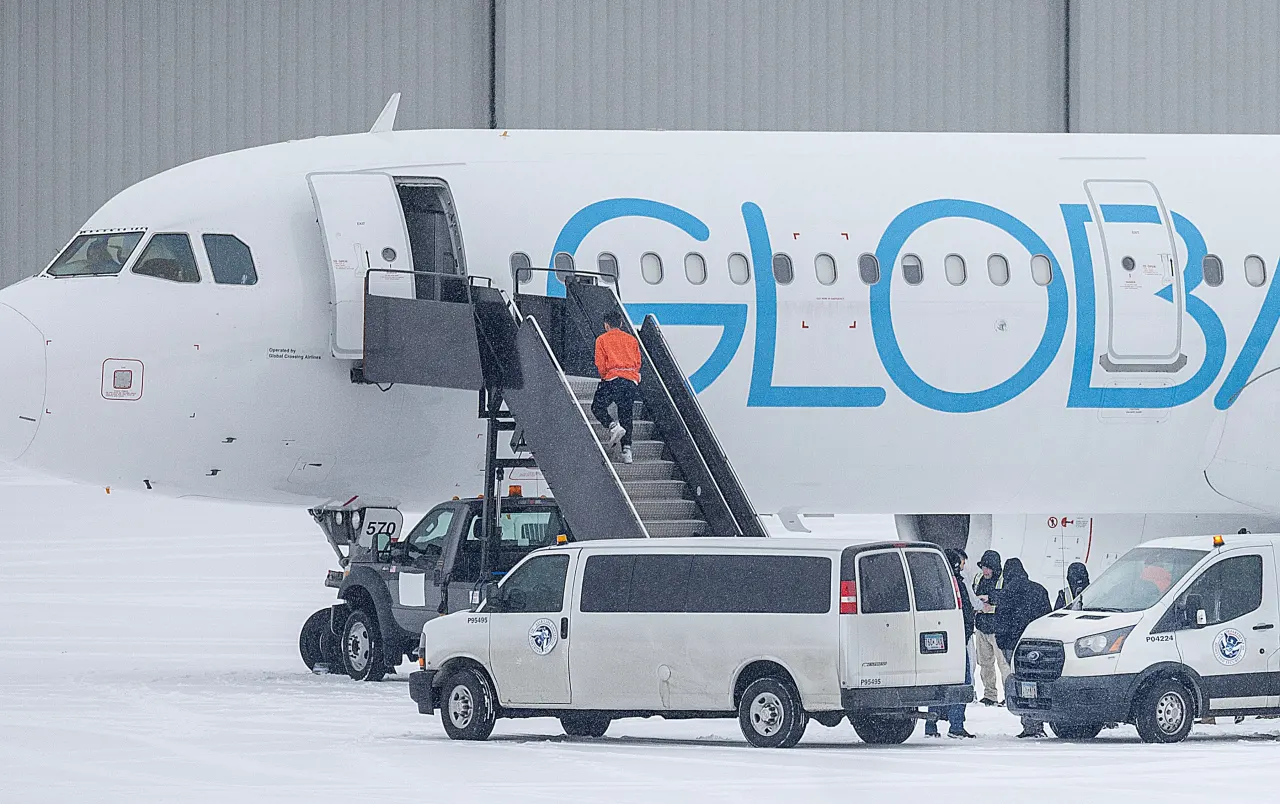
The article argues that the rapid expansion of Immigration and Customs Enforcement (ICE) flights is creating aviation safety risks that have received little attention amid wider concern about flying. It says the drive to meet detention and deportation targets has increased flights and led to unsafe practices, potentially putting detainees, crews and people near airports at risk.
Human Rights First’s ICE Flight Monitor counted almost 20,000 ICE-chartered flights since Donald Trump’s second inauguration, with domestic flights quadrupling between January 2025 and January 2026. Many flights move detainees between facilities rather than deporting them; passengers are reportedly restrained throughout, and some aircraft use smaller airports that are not certified for jets of that size or lack fire and rescue crews. The article says these conditions could make an emergency especially dangerous.
In short
- ICE flight activity has expanded rapidly.
- Domestic flights quadrupled in a year.
- The article warns of safety gaps at smaller airports.
Steelman: both sides, in good faith
The strongest fair case each way — we don't pick a winner.
The case for
The reported growth in ICE flights and use of airports with limited emergency capabilities raise legitimate safety concerns. If detainees are restrained and aircraft operate where suitable fire and rescue services are unavailable, an incident could endanger passengers, crew and nearby communities; transparency and stronger safeguards would help address those risks.
The case against
ICE flights may be necessary to transfer detainees between facilities and carry out immigration enforcement, and the reported flight totals alone do not establish that aviation safety standards have been breached. Supporters could argue that safety should be assessed using evidence about aircraft, airports and emergency procedures, while operational changes should preserve lawful transfers and enforcement rather than rely on broad claims of danger.
Explained simply
Immigration and Customs Enforcement (ICE) is the US agency responsible for immigration detention and deportations. It uses chartered aircraft to move people in its custody between detention centres and to carry out removals from the country.
These flights operate within the wider US aviation system, which includes large international airports as well as smaller regional airports. Safety arrangements such as suitable runways and emergency fire and rescue services matter because they affect how an airport can respond if an aircraft has trouble.
The issue matters because people being transported may be restrained, while crews and others at or near airports could also be affected by an emergency. Understanding how these flights are organised helps explain why questions about aviation safety extend beyond ordinary passenger travel.