Entertainment news and discussion on TalkFuse.
Brad Pitt’s Cliff Booth sequel is lengthy and lacks a compelling story
Developed over time first seen 2 days ago
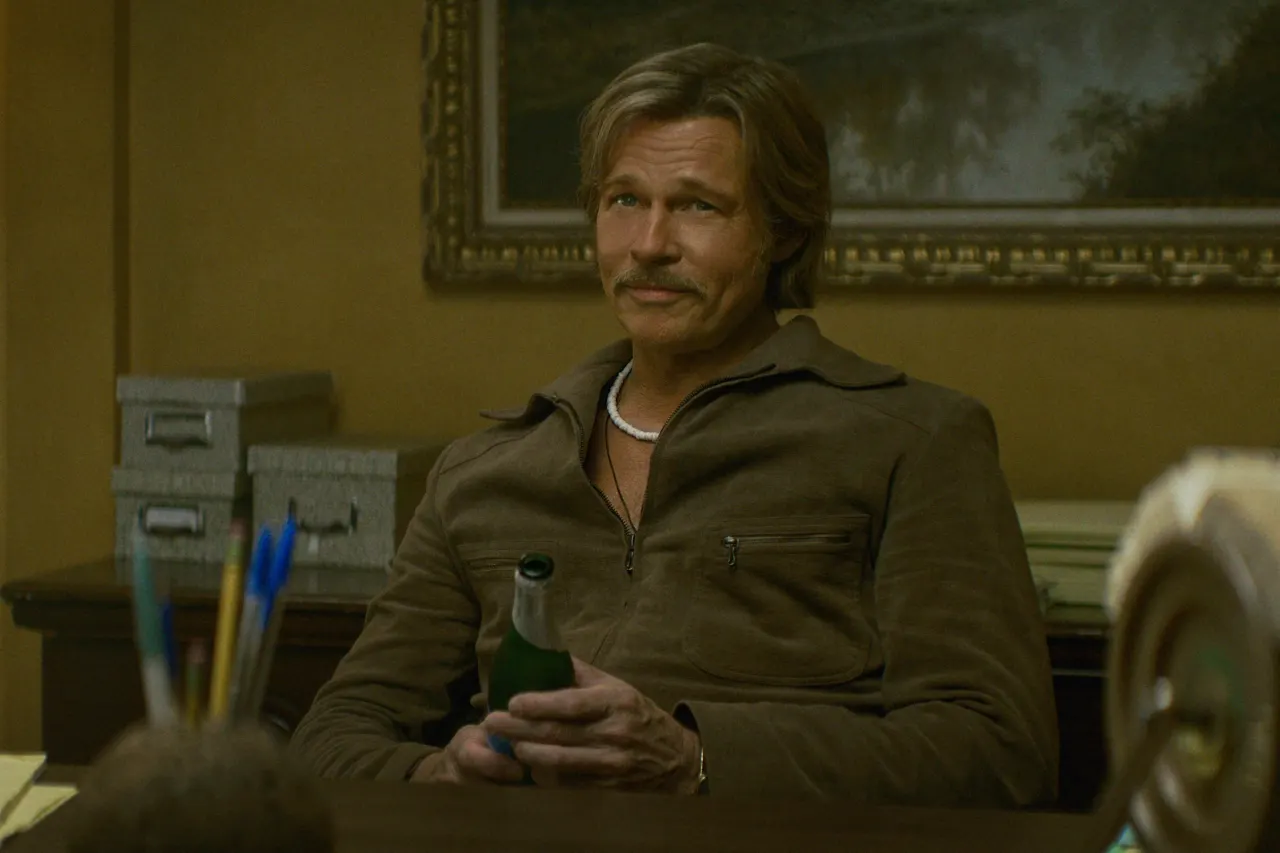
A review of *The Further Mis-Adventures of Cliff Booth* says the sequel to *Once Upon a Time in … Hollywood* is overlong and lacks an engaging central story. It argues that Quentin Tarantino’s crime-comedy script and David Fincher’s sombre direction do not work well together, leaving the film’s odd characters and violent set pieces without enough momentum.
Brad Pitt returns as Cliff Booth, a 1970s stuntman who now works as a fixer for wealthy showbusiness clients in Los Angeles. The 143-minute film features two hitmen, a job for a talent agent and a fictional blaxploitation production; the reviewer says it leans too heavily on the appeal of its central character and familiar Hollywood grime. It is rated R, scheduled for IMAX cinemas on 25 November and Netflix on 23 December.
- Sources
- 2
- Outlets
- 2
- Left · Centre · Right
- 0 · 0 · 1
In short
- A 143-minute Cliff Booth sequel is criticised as meandering.
- The review says Tarantino’s script and Fincher’s direction clash.
- Brad Pitt returns as the stuntman turned Hollywood fixer.
How this story developed
- 2 days ago The review adds that the sequel feels dull and self-indulgent, with its hitmen, studio problem and fictional blaxploitation film doing little to strengthen the central story.
- 2 days ago A review calls The Further Mis-Adventures of Cliff Booth a lacklustre 143-minute sequel, saying the clash between Quentin Tarantino’s crime-comedy script and David Fincher’s sombre direction leaves its thin story buried beneath distracting subplots; Brad Pitt returns as the 1970s Hollywood fixer, with the film opening in IMAX on 25 November before its Netflix release on 23 December.
Full account
Brad Pitt returns as former stuntman Cliff Booth in *The Further Mis-Adventures of Cliff Booth*, a sequel to *Once Upon a Time in Hollywood*. Set over several days in June 1977, the film finds Cliff scraping by as a bartender and projectionist at the New Beverly Cinema, while also keeping an eye on his elderly father. Rick Dalton, his former employer, has left Hollywood for an Australian television series, but Cliff’s reputation as a fixer still draws him into the film industry’s orbit.
The trouble begins when talent agent Karen Crosby approaches Cliff about her client, television star Charlie Peters. Charlie is facing threats from the Verdusco brothers, Filipino gangsters, over a debt. The story also moves through a mud-wrestling venue and the set of a fictional blaxploitation film starring Roderick “Hot Rod” Harrison, played by Yahya Abdul-Mateen II. As the plot unfolds, the film makes room for episodes of violence, eccentric characters and extended stretches of everyday activity.
Quentin Tarantino wrote the screenplay, while David Fincher directed. One account sees the pairing as an uneasy fit: Tarantino’s crime story and offbeat dialogue are set against what it describes as Fincher’s gloomy, restrained style. It argues that the film’s central plot is thin and burdened by digressions, and that the result is an overlong, joyless spin-off. The other report also notes the leisurely pace, but finds Tarantino’s novelistic structure and dialogue give the film a distinct rhythm. It calls this Fincher’s funniest film, while suggesting its pacing and abrupt ending may divide viewers.
Both accounts describe a feature running for roughly two hours or more, released first in IMAX cinemas on 25 November and then on Netflix on 23 December. Their assessments diverge sharply: one regards the sequel as an unnecessary extension of Cliff Booth’s story, while the other presents its slower character-focused passages as part of its appeal. The film’s central premise is that Cliff’s past and reputation continue to make him useful in Hollywood, even after his old working life has ended.
Where outlets differ
From the full account, which is AI-written from the sources:
The first account gives the running time as 143 minutes and criticises the film as self-indulgent, dreary and lacking a substantial story. The second describes it as roughly two hours, praises its humour and Tarantino-like structure, and says its slow pace and abrupt ending may divide audiences.
The first sees Fincher and Tarantino’s styles as clashing, and says the film lacks the visual flair that might have made the material work. The second considers the screenplay distinctly Tarantino’s while acknowledging Fincher’s visual craft, and characterises the result as unusually light for the director.
The first stresses the violent set pieces, perceived digressions and the sequel’s justification for centring Cliff. The second gives more space to Cliff’s work, home life and the unfolding predicament involving Charlie Peters.
Steelman: both sides, in good faith
The strongest fair case each way — we don't pick a winner.
The case for
A sequel can be worthwhile if it gives a memorable character room to develop and brings new creative perspectives to familiar material. The film’s mix of Tarantino’s crime-comedy writing, Fincher’s direction and a 1977 Hollywood setting could offer an ambitious change of tone, while its separate plot strands may broaden the world around Cliff Booth.
The case against
A sequel needs to justify returning to a story that already felt complete, and this one may not do so if its new plot strands leave the central story thin. The reported mismatch between the script’s comic crime elements and the sombre direction could make the film feel overlong and self-indulgent rather than a meaningful continuation.
Explained simply
Cliff Booth is a fictional Hollywood stuntman first introduced in Quentin Tarantino’s 2019 film Once Upon a Time in Hollywood, set in the late 1960s. Brad Pitt played Booth, whose work as a stunt performer and relationships within the film industry placed him alongside fading star Rick Dalton.
The sequel is set in Los Angeles in 1977, several years later, with Booth working as a fixer: someone hired to handle problems for people in the entertainment business. It brings together crime, comedy and film-industry stories, including a job for a talent agent and a fictional blaxploitation film, a type of action film that became prominent in the 1970s.
The film’s long running time and mix of storylines are central to the review’s assessment. Its reception may matter to viewers deciding whether the returning character and the new film’s approach offer a worthwhile continuation of the original.
Coverage · 2 sources
Read the full article at the source →
Originally published by New York Post as “‘The Further Mis-Adventures of Cliff Booth’ review: Tarantino and Fincher deliver a long and pointless Brad Pitt sequel”.