Politics news and discussion on TalkFuse.
Protesters call for regime change in Iran following deadly crash that killed 13 oil and gas workers
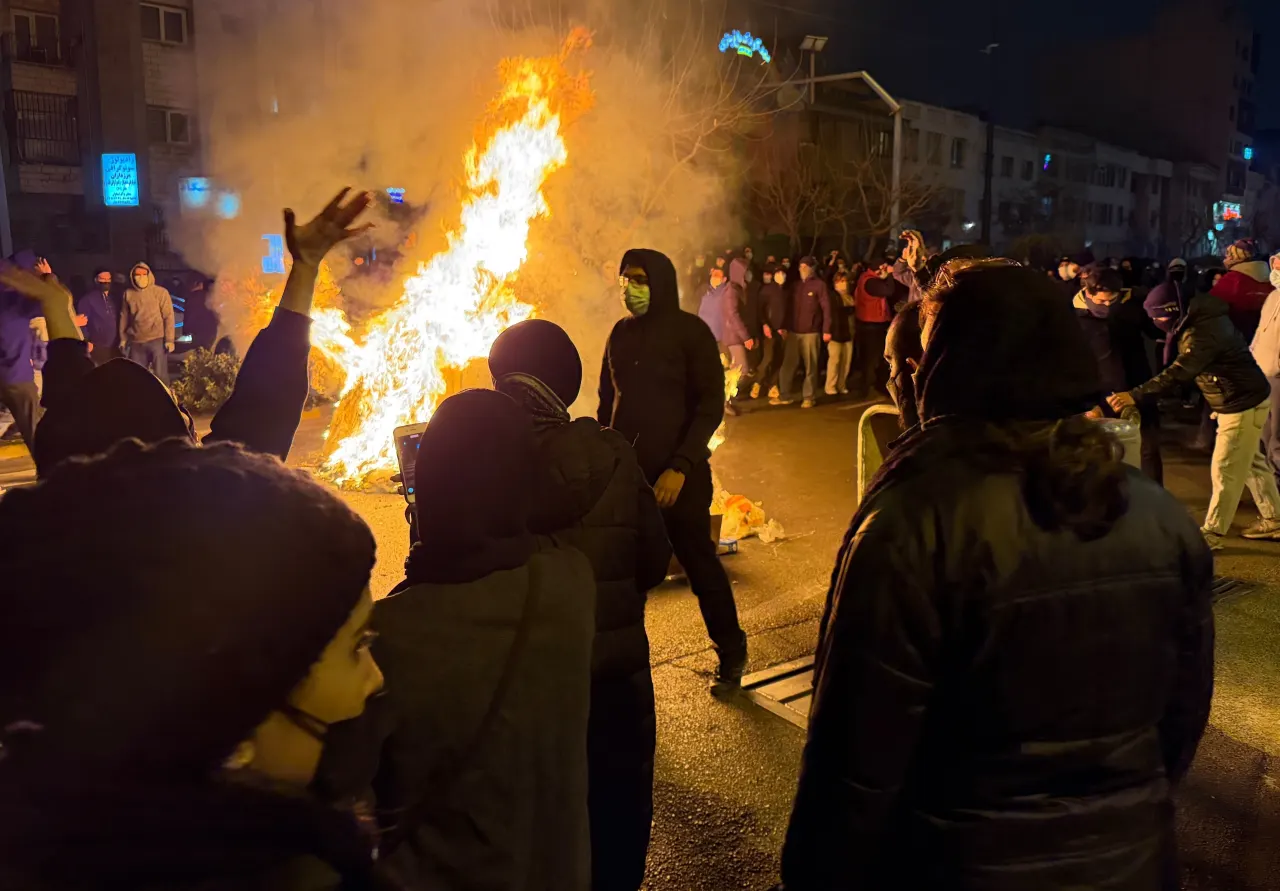
Hundreds of people protested in Abdanan, western Iran, after a bus crash killed 13 oil and gas workers, initially demanding accountability before turning to anti-government slogans. Some called for the return of the Pahlavi monarchy, making the demonstrations a sign of wider political discontent as well as anger over the accident.
Iranian media said the crowd grew from about 200 to 300 people to roughly 1,000. Rights groups reported at least seven arrests, including a 15-year-old, tear gas and disrupted internet access; two detainees were reportedly released, while five others’ whereabouts were unknown. The crash also injured more than a dozen people, and investigators cited possible driver negligence, contract irregularities and inadequate road barriers, with legal proceedings announced but responsibility not yet established in court.
In short
- A fatal bus crash sparked protests in western Iran.
- Demonstrators shifted from seeking accountability to anti-government chants.
- Rights groups reported arrests, tear gas and internet disruption.
Steelman: both sides, in good faith
The strongest fair case each way — we don't pick a winner.
The case for
Those calling for regime change can argue that the deadly crash exposes deeper failures in public safety and accountability, especially amid reported contract irregularities and inadequate road barriers. The reported arrests, use of tear gas and internet disruption may reinforce concerns that peaceful demands for answers are being suppressed; for some protesters, replacing the political system is a way to seek lasting change.
The case against
Those opposing regime change can argue that the crash’s causes and responsibility have not yet been established in court, and that announced legal proceedings should be allowed to clarify what happened before broader conclusions are drawn. They may regard calls to restore the monarchy as a divisive response that risks replacing one political order with another without showing how it would improve safety or accountability, while favouring reform through existing institutions.
Explained simply
Abdanan is a town in western Iran, where oil and gas work is an important part of local life. Thirteen workers died and more than a dozen were injured when their bus crashed; investigators have raised questions about the driver, work contracts and road barriers, but a court has not established responsibility.
The protests began with calls for those responsible for the crash to be held to account, then included slogans against Iran’s government and calls by some for the return of the Pahlavi monarchy, which was overthrown in 1979. Reports of arrests, tear gas and disrupted internet access put the demonstrations in the context of wider political discontent, alongside the local anger over the deaths.
Government Middle East Politics World