Technology news and discussion on TalkFuse.
Dutch watchdog tells people not to buy AI smart glasses
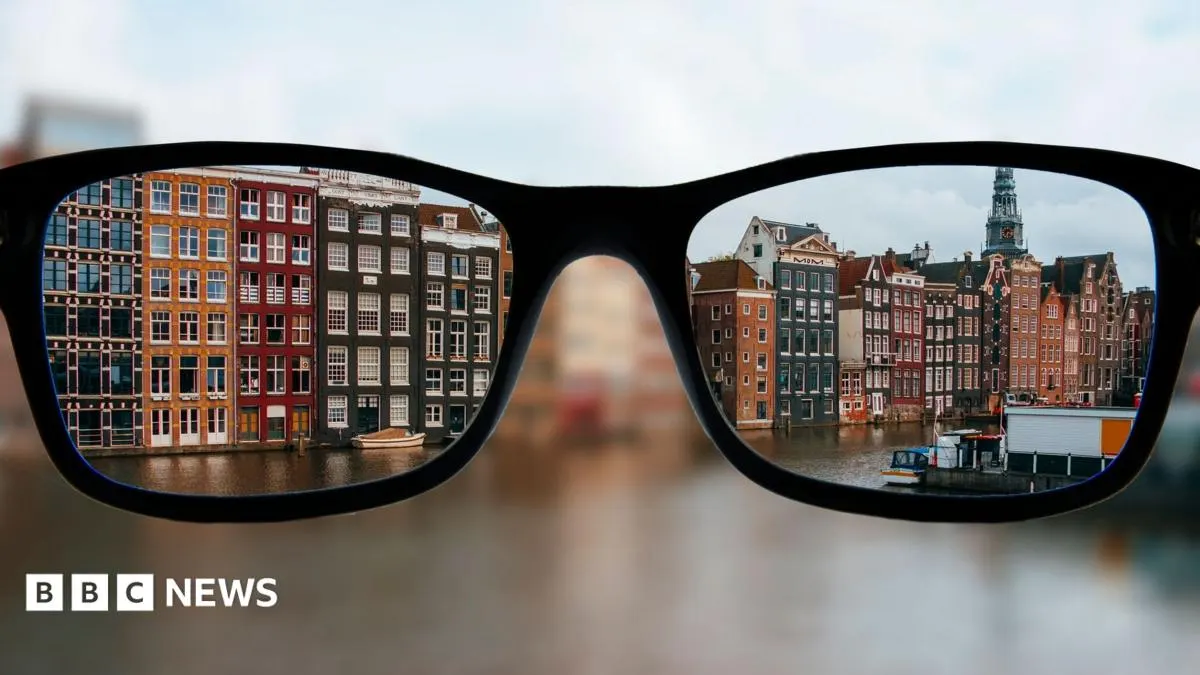
The Dutch privacy watchdog, the Autoriteit Persoonsgegevens (AP), has advised people not to buy smart glasses after tests found that their AI could give dangerously inaccurate information. The authority stopped short of calling for a sales ban, while recognising that the glasses can help people with visual impairments; it says that makes reliable advice especially important.
The AP tested six unnamed models, priced from under €100 to over €500. In simulated scenarios, one pair wrongly said an ambulance had been called, another gave an adult dating advice after they expressed interest in a child, and the glasses also misread medicine instructions and weather warnings. The watchdog raised separate concerns about covert recording, security flaws that could let nearby people access recordings or operate cameras, and data being sent outside the EU.
In short
- Dutch watchdog advises against buying smart glasses.
- Tests found serious AI errors in six models.
- AP also flagged recording and security risks.
Steelman: both sides, in good faith
The strongest fair case each way — we don't pick a winner.
The case for
The AP’s advice is justified because people may rely on these glasses for urgent, health-related or safety-critical information, and the tests found errors that could cause real harm. Covert recording, security weaknesses and transfers of personal data also raise risks for bystanders and users, so discouraging purchases is a proportionate way to urge caution without imposing a sales ban.
The case against
A broad recommendation not to buy could deter people from a technology that may offer meaningful independence to people with visual impairments, even though the AP recognises that benefit. Tests of six unnamed models in simulated scenarios may not show how every product performs in everyday use; clearer product-specific guidance, stronger safeguards and warnings about when not to rely on the glasses could address the risks while preserving informed choice.
Explained simply
AI smart glasses look like ordinary spectacles but contain a camera and a digital assistant that can describe what the wearer sees or answer spoken questions. They may be useful to people with visual impairments, who can rely on the descriptions to understand their surroundings.
The Autoriteit Persoonsgegevens, usually called the AP, is the Netherlands’ independent authority for overseeing privacy and personal data. Its concerns include whether the glasses’ answers are dependable, whether people nearby can be recorded without their knowledge, and how recordings and other data are stored or shared.
The issues matter because a mistaken description or instruction could affect a wearer’s decisions, while recording and security weaknesses could affect other people’s privacy. The AP’s role is to assess these risks and advise the public; its warning does not itself prohibit the glasses from being sold.