Entertainment news and discussion on TalkFuse.
Judge Allows Trump to Sue New York Times Reporters Over Tax Fraud Claims
Developed over time first seen 23 hours ago
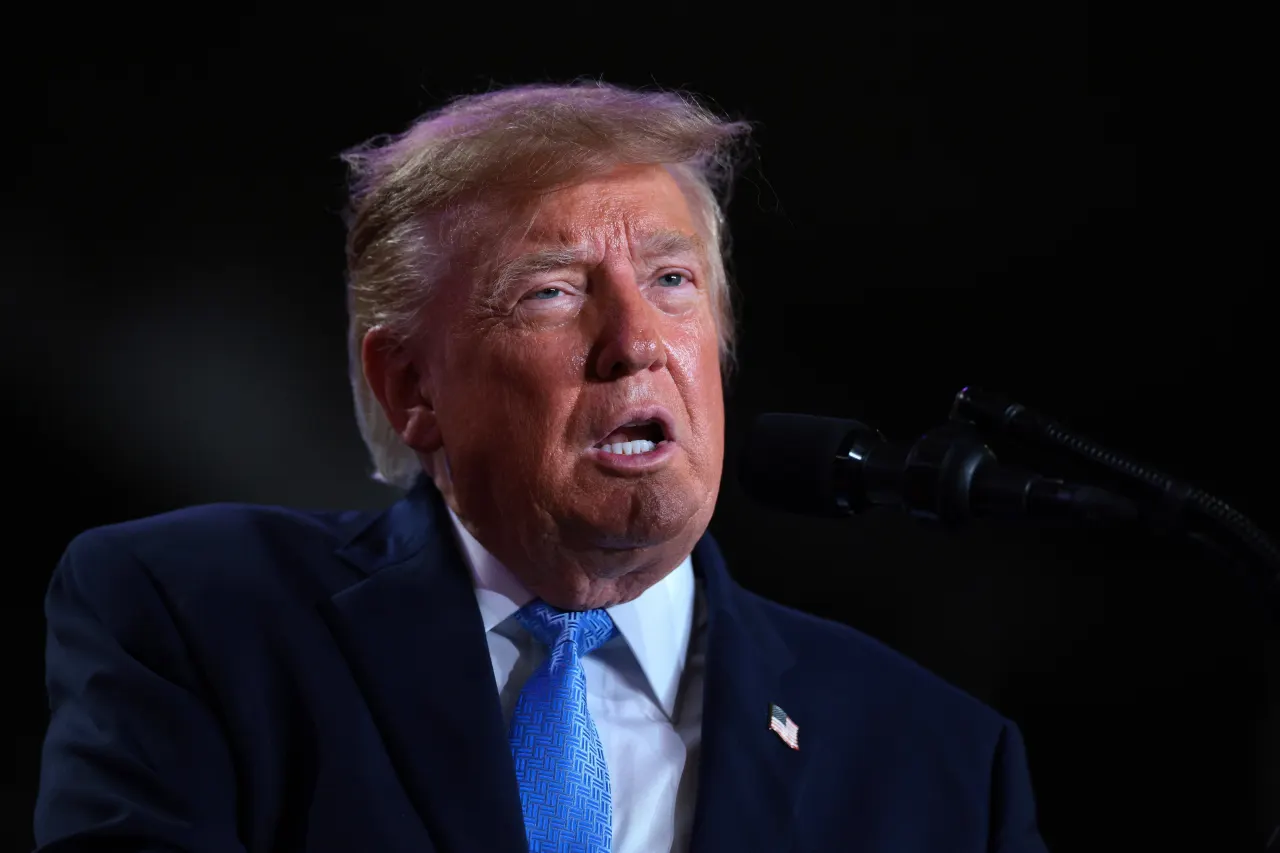
A judge has allowed Donald Trump’s $15 billion lawsuit against The New York Times, three of its reporters and publisher Penguin Random House to proceed in part. The ruling says Trump has plausibly alleged that reporters acted recklessly in making claims about his family’s business and tax affairs, but does not decide whether those claims are true.
The case concerns the book “Lucky Loser”, which said Trump received the equivalent of $400 million from his father, much of it through alleged tax evasion schemes, and two 2024 Times articles based on the book. The judge dismissed most claims, including those about Trump’s television career and school record, while allowing claims over statements about tax fraud and alleged money-laundering violations to continue. The case can now move to discovery and motions for summary judgment; the Times said it believes the remaining claim has no legal merit.
- Sources
- 3
- Outlets
- 3
- Left · Centre · Right
- 0 · 0 · 2
In short
- Trump’s $15 billion lawsuit can proceed on some claims.
- The judge dismissed most claims against the defendants.
- The remaining case concerns allegations about taxes and money laundering.
How this story developed
- 12 hours ago The case may now proceed to discovery and summary-judgment motions; the Times welcomed the dismissal of most claims and said the remaining claim lacked legal merit.
- 18 hours ago Most claims were dismissed, including those concerning Trump’s television career and school record, while claims tied to reporting on alleged Mafia links and money-laundering violations remained for discovery.
- 19 hours ago The judge said the case did not establish that Trump committed tax fraud, but found reporters could plausibly have acted recklessly over claims about his family’s business and tax affairs.
- 19 hours ago A judge allowed part of Donald Trump’s $15 billion lawsuit against The New York Times, three reporters and Penguin Random House to proceed, finding some claims in the book Lucky Loser and related coverage plausibly defamatory.
Steelman: both sides, in good faith
The strongest fair case each way — we don't pick a winner.
The case for
Trump’s case can be framed as a defence of reputation and fair reporting: serious allegations about tax evasion or criminal ties can cause lasting harm if readers take suggestive language as established fact. Allowing the surviving claims to proceed to discovery may help determine whether the reporting was adequately supported and whether the distinction between suspicion and proven wrongdoing was made clear.
The case against
The surviving claims can be seen as a legitimate avenue for testing whether the reporting crossed the line from scrutiny into potentially defamatory assertions; the judge has allowed only part of the case to proceed and dismissed most claims. Defendants may argue that reporting on matters of public interest, including business dealings and investigations, deserves protection when it is grounded in evidence and presented with appropriate attribution and care.
Explained simply
Donald Trump built a property and entertainment business before becoming president of the United States. His business dealings have been the subject of reporting and scrutiny, including questions about money and tax arrangements connected to his father, Fred Trump, a New York property developer.
The New York Times is a US newspaper, and Penguin Random House is a book publisher. The reporters named in the case wrote about Trump’s finances, including in the book *Lucky Loser*, which examines his family wealth and business career. Claims of tax fraud are allegations of deliberate wrongdoing; reporting that experts found conduct suspicious does not by itself establish that fraud occurred.
The dispute matters because it concerns how journalists can report on public figures’ finances and the legal limits on claims for defamation. Defamation law addresses false statements that harm someone’s reputation, while allowing room for reporting and opinion protected by law.
Coverage · 3 sources
Bias meters
From 2 rated sources, 1 unrated.
Entertainment Government Politics TV