Culture news and discussion on TalkFuse.
EU warns Burnham: No more reset talks until Brexit decision made
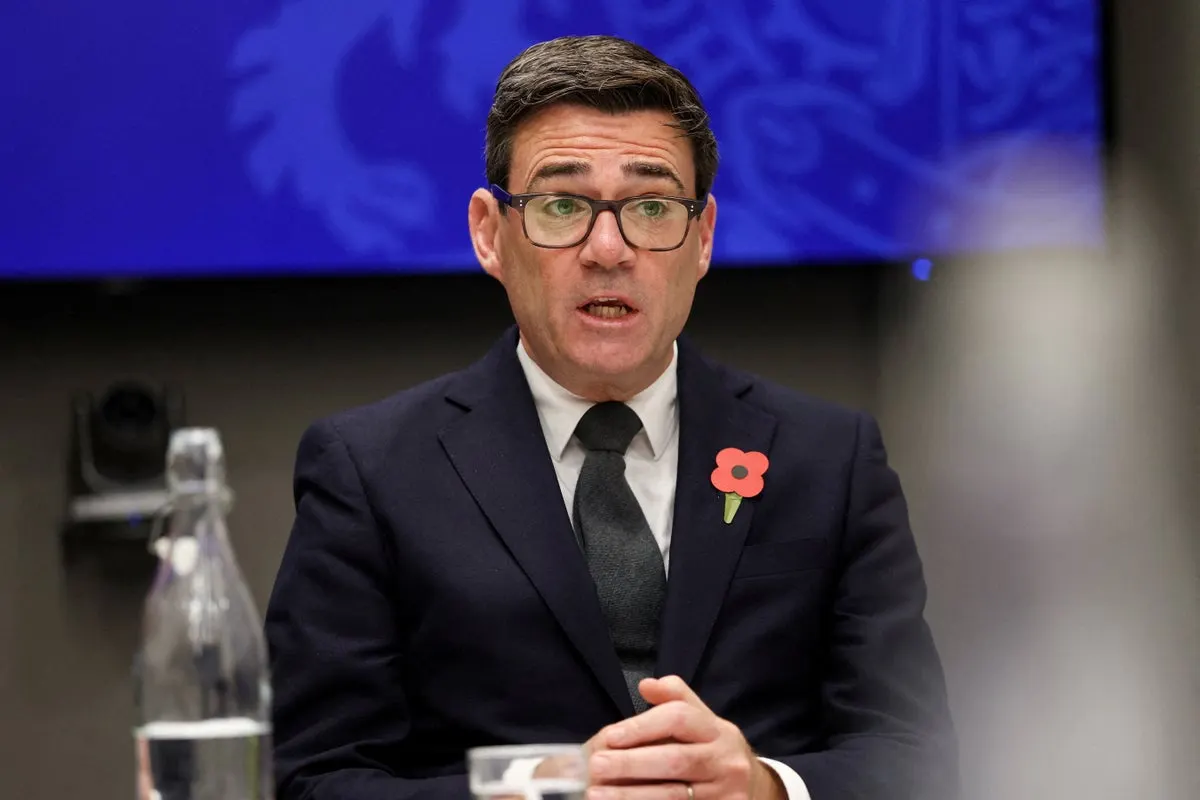
EU diplomats have reportedly told Andy Burnham that talks on the UK’s long-term relationship with the bloc should wait until Britain sets out what it wants from Brexit. The message comes ahead of a summit expected to agree closer cooperation on food, energy and youth mobility, and suggests the current series of limited agreements may not lead to wider negotiations.
The UK is expected to pursue the approach developed by Keir Starmer, but diplomats say it has limits and want a clear, durable strategy with public backing. Burnham had promised to present options around the summit, but now says discussions with the EU will start after it, with options for the public to follow later. A business consultation found three-quarters of firms surveyed favoured rejoining the EU, while Conservative leader Kemi Badenoch warned closer ties could weaken British control; David Lammy said Labour should campaign to return.
In short
- EU diplomats want Britain to clarify its Brexit direction before broader talks.
- The summit is expected to bring agreements on food, energy and youth mobility.
- Three-quarters of surveyed businesses said rejoining would benefit them most.
Steelman: both sides, in good faith
The strongest fair case each way — we don't pick a winner.
The case for
A clear, publicly backed decision on Brexit would give the EU and UK a durable basis for negotiating, rather than relying on piecemeal agreements that may not resolve uncertainty for businesses or citizens. Advocates of closer integration argue that options should be openly debated, especially given the reported business support for rejoining and calls within Labour to make that case.
The case against
The UK can reasonably pursue practical cooperation with the EU while retaining its existing Brexit settlement, without first reopening the larger question of membership or setting out a definitive long-term model. Those wary of closer ties argue that preserving national control matters, and that any change should follow careful public debate rather than pressure from diplomats or business preferences alone.
Explained simply
Brexit was the UK’s decision to leave the European Union, which followed a 2016 referendum. Since leaving, the UK and EU have agreed rules for their future relationship, but debates continue over how closely they should work together.
Keir Starmer’s government has pursued closer cooperation in selected areas while ruling out rejoining the EU or its single market. Andy Burnham, the Labour mayor of Greater Manchester, has said he wants to set out possible approaches to the UK’s longer-term relationship with the bloc.
The EU is made up of member countries that negotiate collectively on many shared issues. The choices could affect trade, travel and cooperation between the UK and EU, while raising questions about how much influence each side would have over the rules.
Culture Europe Food Government Politics World