World news and discussion on TalkFuse.
Nearly a quarter of the world’s children live in conflict zones, according to Save the Children
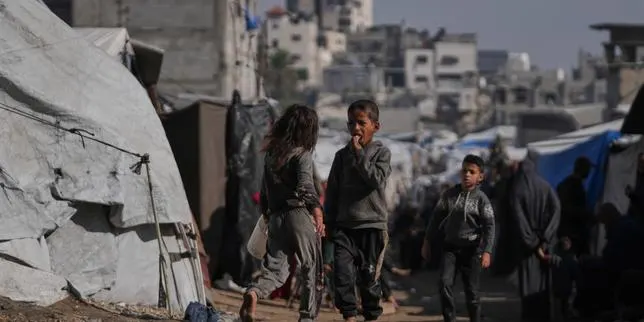
Save the Children says nearly one in four children worldwide lived in conflict zones in 2025, the highest proportion recorded since tracking began in the 1990s. The charity warns that the growing exposure places children’s safety and the systems meant to protect them under increasing strain.
Its report, based on data from the Peace Research Institute Oslo, estimates 589 million children were affected in 2025, up from 378 million in 2015. The share rose from about 10% in the mid-1990s to 23.4%; Africa had the largest number, around 260 million, while the Middle East total increased from 52 million in 2024 to 67 million in 2025. The report defines a conflict zone as an area within 50 kilometres of at least one armed attack.
In short
- 589 million children lived near conflict in 2025.
- The figure is up more than 50% in a decade.
- Africa accounted for about 260 million affected children.
Explained simply
Armed conflict can affect children even when fighting is not happening where they live: violence can disrupt homes, schools and access to healthcare, and force families to move. Researchers use different measures to estimate how many children are exposed to conflict.
Save the Children is an international charity that works with children and campaigns on their behalf. Its report uses data from the Peace Research Institute Oslo, a research institute that studies conflict, and counts children living within 50 kilometres of an armed attack as being in a conflict zone.
These figures help show how widely conflict may affect children, but they depend on the report’s definition and the available data. The number of children exposed matters because it points to the scale of the demands on families and the services intended to protect and support them.