Health news and discussion on TalkFuse.
Cancer Vaccines Are Advancing. Can Regulators Keep Up?
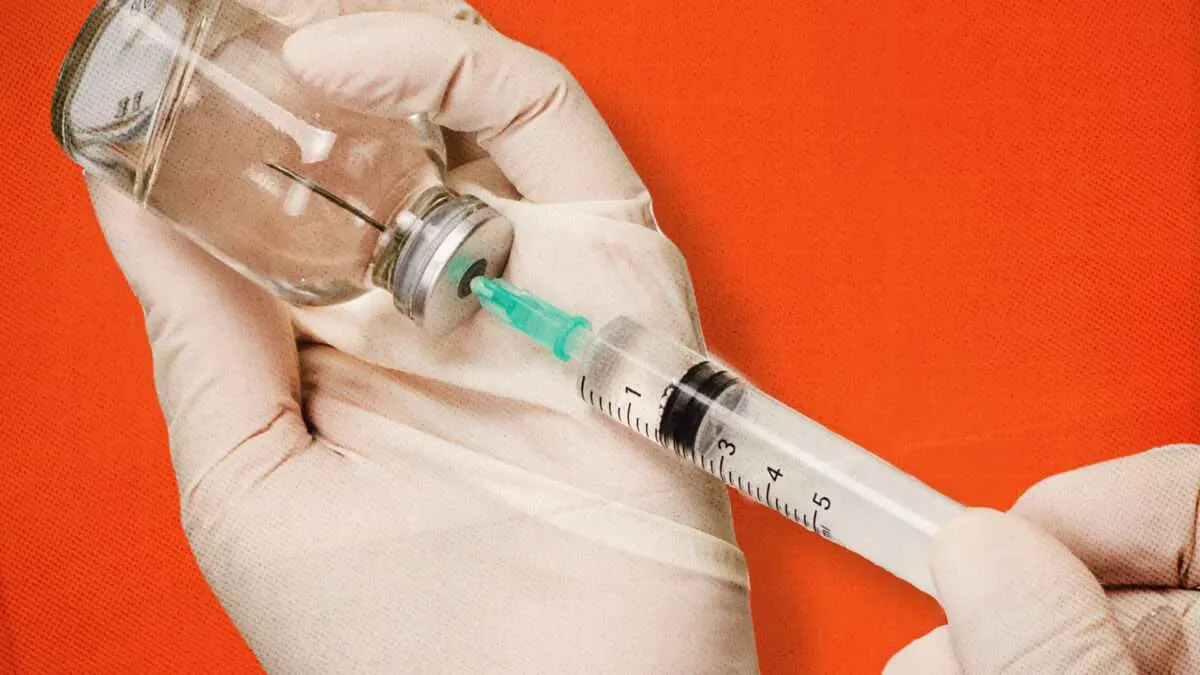
Two clinical trials reported promising advances in cancer vaccines, which train the immune system to recognise and attack cancer cells. The findings could improve treatment and possibly prevention, while raising questions about whether the US Food and Drug Administration’s evaluation process can keep pace with personalised medicines.
In a trial of 126 people with relapsed acute myeloid leukaemia who had entered remission, recipients of the experimental vaccine galinpepimut-S lived a median of 24 months, compared with 14.7 months for those given other available treatments; full trial data have not yet been released. A separate trial of 1,137 melanoma patients found that 82.2 per cent who received Moderna and Merck’s personalised mRNA vaccine intismeran with pembrolizumab were alive and cancer-free after two years, compared with 70 per cent given pembrolizumab alone. Researchers are also investigating whether vaccines could help prevent pancreatic cancer.
In short
- An experimental leukaemia vaccine was linked to longer median survival.
- A personalised melanoma vaccine reduced the risk of cancer returning.
- Researchers are exploring vaccines to prevent pancreatic cancer.
Steelman: both sides, in good faith
The strongest fair case each way — we don't pick a winner.
The case for
The trial results suggest cancer vaccines could extend survival or reduce recurrence, offering patients more effective and personalised treatment options. Supporters may argue that regulators should adapt their review process so promising therapies can be assessed efficiently, while still checking safety and evidence, particularly for patients with serious or relapsed cancers.
The case against
The results are promising but do not by themselves establish how well these vaccines work across patients or how their benefits compare with risks and existing treatments; the leukaemia trial’s full data have not yet been released. A careful regulatory process can protect patients by requiring robust, complete evidence before approval, and should not be rushed simply because a treatment is personalised or innovative.
Explained simply
Cancer vaccines are treatments designed to help the immune system recognise and attack cancer cells. Some are made for a particular cancer, while personalised vaccines are tailored to features of an individual patient’s tumour; researchers are also studying whether vaccines could prevent some cancers.
The trials involve people with acute myeloid leukaemia, a cancer of the blood and bone marrow, and melanoma, a type of skin cancer. In the melanoma study, the vaccine was given with pembrolizumab, a medicine that helps the immune system fight cancer; the leukaemia study involved people whose cancer had returned but was in remission.
The US Food and Drug Administration assesses medicines before they can be widely used in the United States. Personalised treatments can be more complex to develop and assess than medicines made in the same way for everyone, raising questions about how regulators evaluate them.