World news and discussion on TalkFuse.
U.S. and Venezuela Enter Military Deal
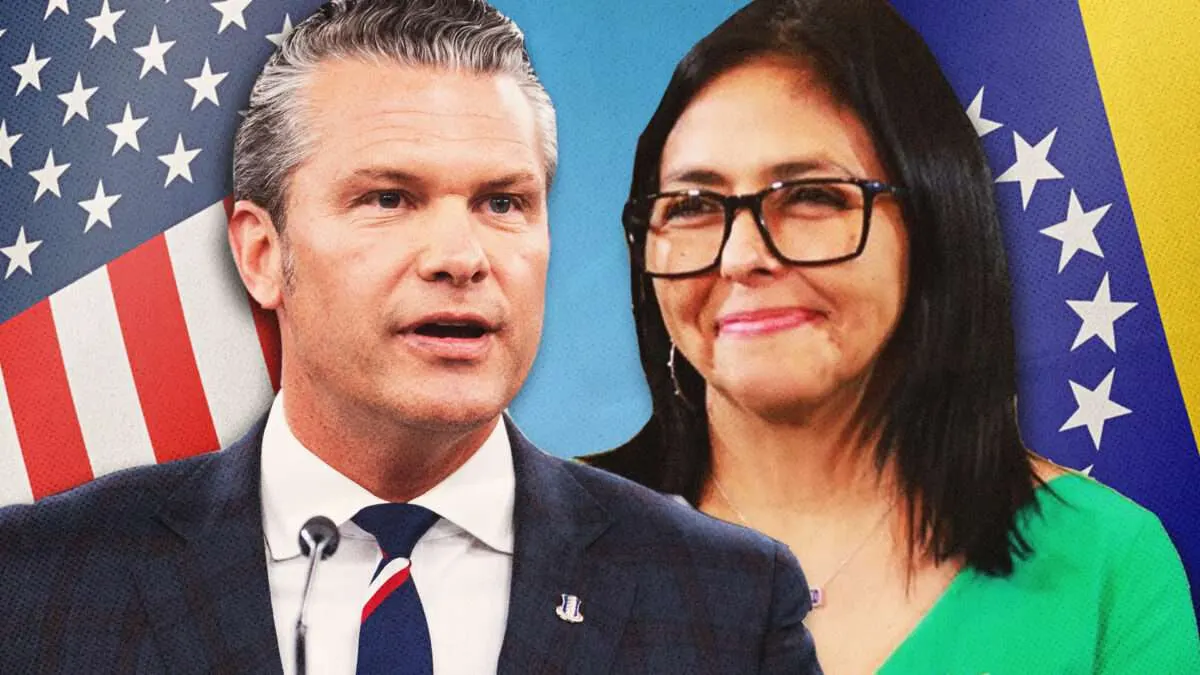
The US and Venezuela have signed a military cooperation agreement, announced by US Defence Secretary Pete Hegseth during a visit to Caracas. The deal matters because Hegseth said it would involve combined operations to remove drug-trafficking networks, while its undisclosed terms leave open how far US military involvement in Venezuela may extend.
Hegseth described plans for joint training, intelligence sharing, partnerships and defence equipment, and linked the agreement to the January capture of former Venezuelan leader Nicolás Maduro. Since September 2025, US forces have carried out 72 strikes on suspected drug-trafficking boats, killing at least 244 people, according to the article; the strikes have drawn criticism from lawmakers across 13 countries and faced legal and political challenges in the US. Venezuela’s defence minister, Gustavo González López, is under sanctions from the US, UK, EU and Canada over alleged human rights abuses.
In short
- The US and Venezuela signed a military cooperation agreement.
- Its terms include training, intelligence sharing and possible combined operations.
- US boat strikes have killed at least 244 people since September 2025.
Steelman: both sides, in good faith
The strongest fair case each way — we don't pick a winner.
The case for
Supporters could argue that joint training, intelligence sharing and equipment would help both countries disrupt drug-trafficking networks that threaten public safety, while giving Venezuela a role in shaping security operations on its territory. They may see cooperation as a practical way to improve regional security and prevent criminal groups from exploiting gaps between governments.
The case against
Critics could argue that the agreement’s undisclosed terms and pledge of combined operations leave unclear how much authority US forces may exercise in Venezuela, raising concerns about sovereignty and accountability. Given the deaths in US strikes on suspected drug-trafficking boats and the legal and political challenges they have prompted, they may also question whether expanded military action is proportionate and adequately supported by evidence.
Explained simply
Venezuela’s armed forces are led by the country’s defence ministry, while the United States has long been involved in security efforts across Latin America. The two countries have often had tense relations, particularly under former Venezuelan leader Nicolás Maduro, who was captured in January.
The US says its recent operations against suspected drug-trafficking boats are intended to disrupt smuggling networks, but the strikes have prompted criticism and legal challenges. Venezuela’s defence minister, Gustavo González López, is also subject to sanctions imposed by the US, UK, EU and Canada over alleged human rights abuses.
The agreement’s terms have not been made public, so the extent of any US military role in Venezuela is unclear. Its focus on training, intelligence and equipment could affect how the two countries work together on security.
Americas Health Medicine Politics World