Politics news and discussion on TalkFuse.
Madison officer faces no charges over fatal shooting of Corey Ruiz
Developed over time first seen 23 hours ago
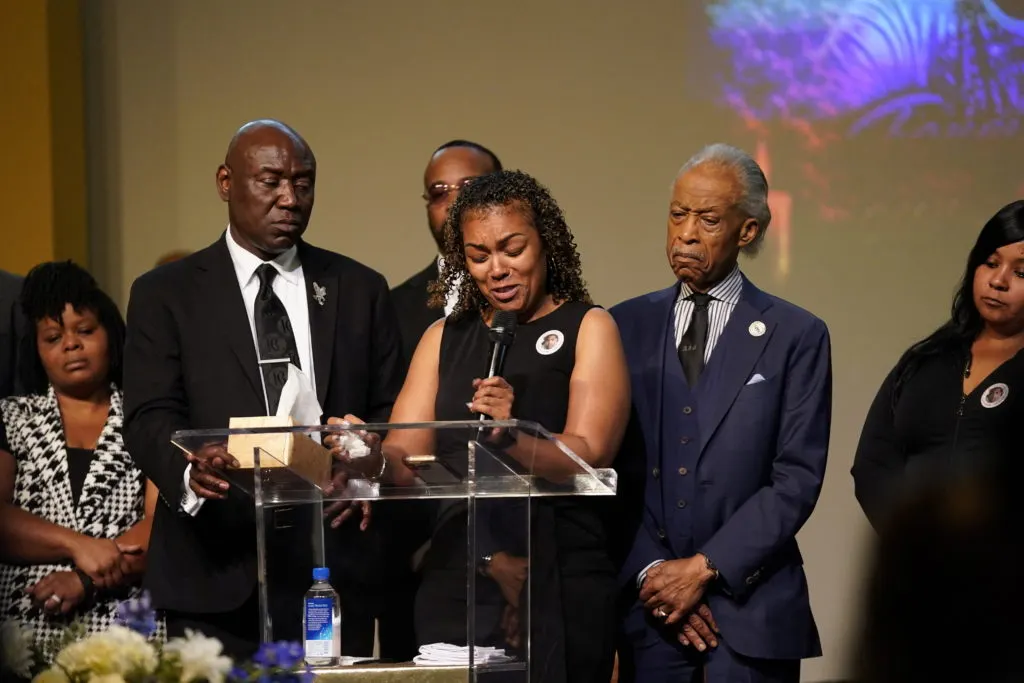
Dane County District Attorney Ismael Ozanne has decided not to bring criminal charges against Madison police officer Kiel Baitinger-Peterson for the fatal shooting of Corey Ruiz. The decision has renewed calls for justice from Ruiz’s family and community advocates, while city leaders prepared for possible protests.
Ruiz, 38, was shot on 22 July after four officers responded to reports of someone checking parked cars and an alleged burglary attempt. Ozanne said the officer was justified because Ruiz resisted, had a knife and was not stopped by Taser attempts. Released dash-camera footage shows officers trying to restrain Ruiz before Baitinger-Peterson fired three shots at close range; the family’s lawyer disputes that the video justifies the shooting. The officers remain on administrative leave during an internal review, and the family’s legal team is exploring its options.
- Sources
- 2
- Outlets
- 2
- Left · Centre · Right
- 0 · 1 · 1
In short
- Prosecutor declined to charge the officer who shot Corey Ruiz.
- The decision followed a fatal shooting during a police response in July.
- Ruiz’s family disputes the prosecutor’s account and is considering legal action.
How this story developed
- 20 hours ago The prosecutor’s decision was reported as involving a white officer and a 38-year-old Black man, while the account added that Madison police were conducting an internal review and Ruiz’s family was considering its legal options.
- 20 hours ago Dane County District Attorney Ismael Ozanne declined to charge the Madison officer who shot Corey Ruiz in July, saying Ruiz resisted, had a knife and was not stopped by Taser attempts; the decision renewed calls for justice and prompted officials to prepare for possible protests.
Full account
Dane County District Attorney Ismael Ozanne has decided that Madison police officer Kiel Baitinger-Peterson will not face criminal charges over the fatal shooting of Corey Ruiz, a 38-year-old Black man, on 22 July. The decision, announced on Thursday, prompted renewed calls for justice from Ruiz’s family and community advocates. The shooting had already led to racial justice protests, and city leaders were preparing for the possibility of further demonstrations.
Police said Baitinger-Peterson was among four officers sent to investigate reports of someone looking into parked cars and a suspected attempted burglary. They found Ruiz on a bicycle. Ozanne said he considered the use of deadly force reasonable because Ruiz resisted arrest, produced a knife and was not stopped by officers’ attempts to use Tasers. The Wisconsin Department of Justice had said after the shooting that two officers tried to Taser Ruiz without success, and that he displayed a knife and injured Baitinger-Peterson.
The Ruiz family and their lawyer, civil rights attorney Ben Crump, disputed that account’s implication that the shooting was justified. At a news conference, Crump said the videos shown to the family did not support the decision, describing footage in which officers tackled and kicked Ruiz and used a Taser before Baitinger-Peterson shot him. Crump said Ruiz was on the ground when he was shot three times, including in the chest and head. He also said the medical examiner had told the family Ruiz would have survived if the final shot had not struck his head. Adam Ruiz said the family felt mistreated and was devastated; Crump said his team would consider all possible legal avenues.
Ozanne said his decision followed a review of police reports, diagrams, surveillance recordings, police vehicle footage and videos made by members of the public. Madison officers do not wear body cameras. Police Chief John Patterson said he understood the decision would provoke strong feelings, urged people to protest peacefully and said an internal police review would follow. The officers involved remain on administrative leave. The accounts give the same central facts and competing positions, but the family’s lawyer foregrounds the sequence and severity of the force, while the prosecutor’s rationale centres on the knife, resistance and failed Taser attempts.
Where outlets differ
From the full account, which is AI-written from the sources:
The two supplied reports are substantially duplicative. Source 1 ends mid-sentence during Ozanne’s response; Source 2 continues with Crump saying his team would explore legal options and begins another cut-off sentence attributed to Ozanne. The account reflects the complete statement available in Source 2 without filling in the truncated material.
Source 1 identifies the Associated Press and reporter Scott Bauer; Source 2 appears to reproduce the same report but does not provide an outlet, reporter or URL. Their emphasis is otherwise largely the same.
Centre outlets 1
Only here: madison, faces, charges, fatal, shooting
Right-leaning outlets 1
Only here: wisconsin, police, fatally, shot, charged
Every side used: officer
Headline columns compared word for word; nothing in them is AI-written.
Steelman: both sides, in good faith
The strongest fair case each way — we don't pick a winner.
The case for
The district attorney’s case is that the officer faced an immediate threat: Ruiz had a knife, resisted attempts to restrain him and was not stopped by Tasers. On this account, the officer used deadly force because less-lethal measures had failed and the circumstances made it reasonable to protect officers and others.
The case against
Ruiz’s family and community advocates can argue that the footage of officers trying to restrain him does not, by itself, establish that shooting him three times at close range was necessary. They may see the decision not to charge as failing to provide accountability and justice, and argue that the shooting warrants closer scrutiny.
Explained simply
Madison is a city in the US state of Wisconsin, and Dane County’s district attorney decides whether criminal charges should be brought for suspected offences there. Police officers may use deadly force in some circumstances, but prosecutors assess whether the law supports bringing charges in a particular case.
Corey Ruiz was killed by a Madison police officer during an encounter in July. Dash-camera footage shows officers trying to restrain him, while the district attorney says Ruiz had a knife and resisted; Ruiz’s family disputes the conclusion that the shooting was justified.
The case has drawn attention from Ruiz’s family, community advocates and city leaders, against a backdrop of earlier racial justice demonstrations. The officers’ administrative leave and the police internal review are separate from the prosecutor’s decision about criminal charges.
Coverage · 2 sources
Bias meters
From 2 rated sources.
Read the full article at the source →
Originally published by PBS NewsHour as “Prosecutor declines to charge Wisconsin officer who fatally shot Black man in Madison”.