Politics news and discussion on TalkFuse.
Democrats’ antics shame the Senate — to tear down Trump’s judge picks
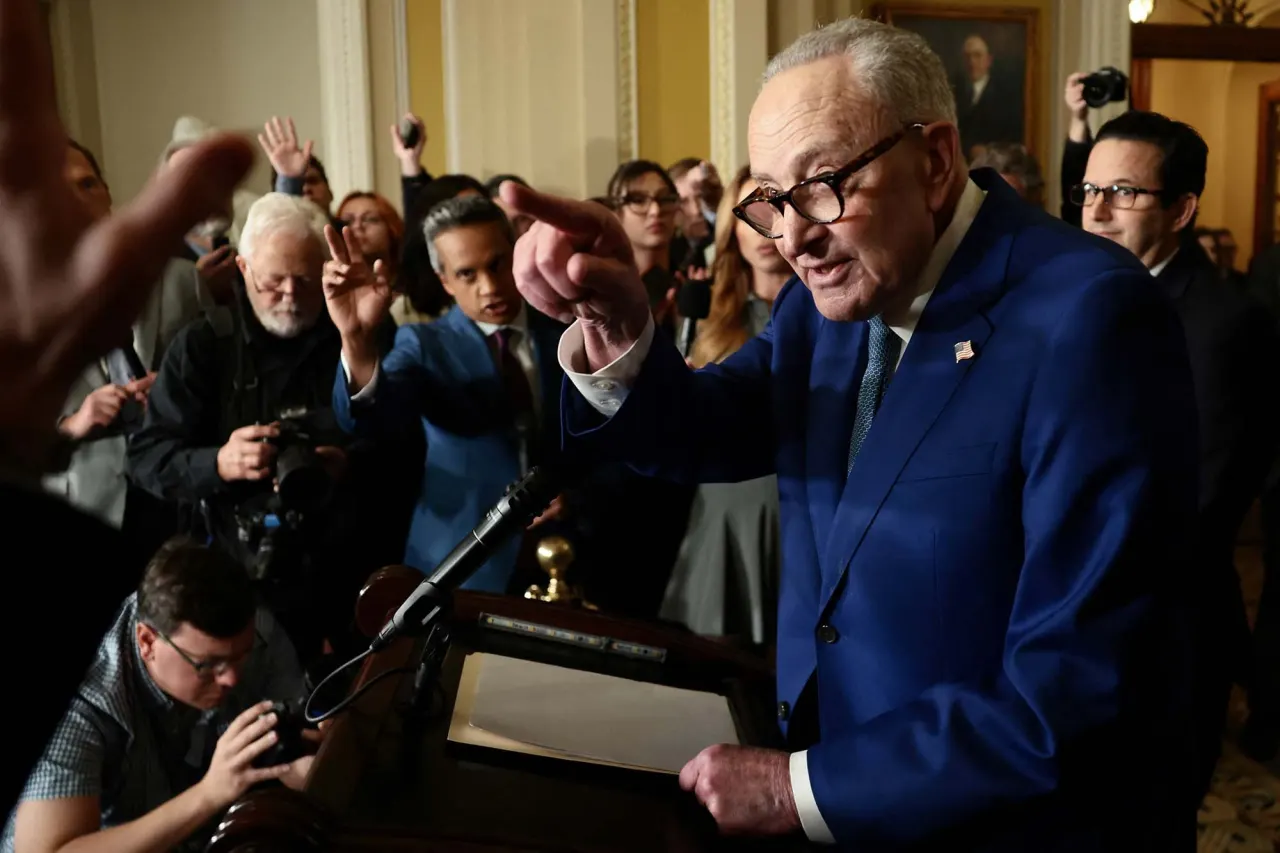
Democrats on the Senate Judiciary Committee turned hearings for President Donald Trump’s judicial nominees into a partisan dispute, according to the article’s opinion writer. The hearings matter because the Senate is weighing lifetime appointments that could shape federal courts for decades, as Republicans seek confirmations before Democrats take control of Congress in January.
Trump has nominated 93 people to federal judgeships during his current term, and 57 have been confirmed; 31 of his nominees are still in their thirties. The article criticises Cory Booker for objecting to the timing of confirmations, noting that Democrats confirmed 22 judges near the end of Joe Biden’s presidency, and Dick Blumenthal for asking nominees about the 2020 election and 6 January. It also cites Republican senators’ questions on constitutional interpretation and says some opposition has come from within the Republican Party.
In short
- Senate hearings for Trump’s judicial nominees became a partisan dispute.
- 57 of 93 nominees have been confirmed so far.
- Lifetime appointments could shape federal courts for decades.
Steelman: both sides, in good faith
The strongest fair case each way — we don't pick a winner.
The case for
Supporters of the nominees can argue that the Senate should assess candidates on their qualifications and judicial approach, rather than use hearings to relitigate a settled election or score partisan points. With Democrats having also confirmed judges near the end of a presidency, they may see timely votes as a consistent use of the Senate’s constitutional role and a way to fill vacancies.
The case against
Critics can argue that lifetime judicial appointments warrant searching scrutiny, especially when nominees may serve for decades and some are unusually young. Questions about constitutional interpretation, the 2020 election and 6 January can be relevant to assessing how nominees understand democratic institutions and the limits of executive power; raising them is part of the Senate’s oversight role, even amid a confirmation push.
Explained simply
Federal judges hear cases involving federal law and the US Constitution. They are nominated by the president and must be confirmed by the Senate; most serve for life, so appointments can shape how courts interpret the law for many years.
The Senate Judiciary Committee examines nominees before the full Senate votes. Its members include Republicans and Democrats, and they may question candidates about their qualifications and views on legal issues. Control of the Senate can affect how quickly nominations are considered and whether they are confirmed.