World news and discussion on TalkFuse.
FCC votes to allow state prisons to jam signals from contraband cellphones
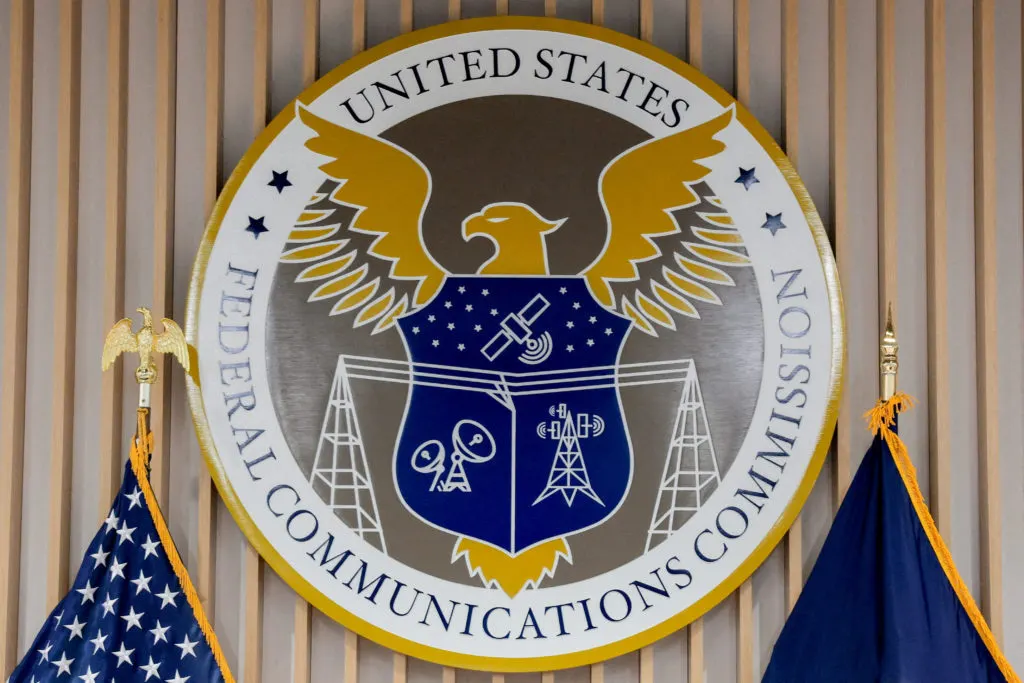
The FCC has unanimously approved a rule allowing state prisons to jam signals from smuggled mobile phones, a measure officials say could reduce security risks. The decision gives state and local authorities a tool they have sought for years, though it does not require prisons to use it.
Prisons must test the systems to check that signals outside their boundaries are not affected, and notify officials if jamming equipment is moved. The technology was already permitted in federal facilities but required FCC approval for state prisons under a longstanding communications law. Officials say about 25,000 phones are confiscated each year in state and local prisons; one commissioner warned that miscalibrated systems could disrupt home security systems or emergency calls.
In short
- FCC approves signal jamming in state prisons.
- Prisons must test for effects beyond their boundaries.
- Officials say 25,000 phones are confiscated annually.
Steelman: both sides, in good faith
The strongest fair case each way — we don't pick a winner.
The case for
Allowing prisons to jam contraband phones could reduce inmates’ ability to coordinate violence, intimidation, or other crimes from inside, and help protect staff, other prisoners, and the public. Supporters can argue that carefully tested systems, confined to prison boundaries, give authorities a useful option while leaving each facility free to decide whether to use it.
The case against
Jamming could disrupt legitimate communications beyond prison walls, including emergency calls and home security systems, if equipment is miscalibrated or its effects spread beyond the facility. Critics can argue that because those risks affect the public and reliable communication is important, prisons should favour targeted enforcement against contraband phones unless jamming can be shown to be safe and tightly contained.
Explained simply
Mobile phones are banned in prisons, but people still smuggle them inside. Prisoners can use them to contact people outside, and prison officials say this can create security risks.
The Federal Communications Commission regulates radio signals, including those used by mobile phones. Federal prisons have been allowed to use equipment that blocks such signals, while state prisons previously needed the commission’s approval under a communications law.
Blocking signals can affect nearby users if the equipment reaches beyond prison grounds. That could disrupt mobile calls, including emergency calls, or other devices, so the systems need to be carefully tested.
Americas Elections Government Politics World