Business news and discussion on TalkFuse.
Tens of thousands of UK fridges secured from hackers in secret nationwide operation
Developed over time first seen 21 hours ago
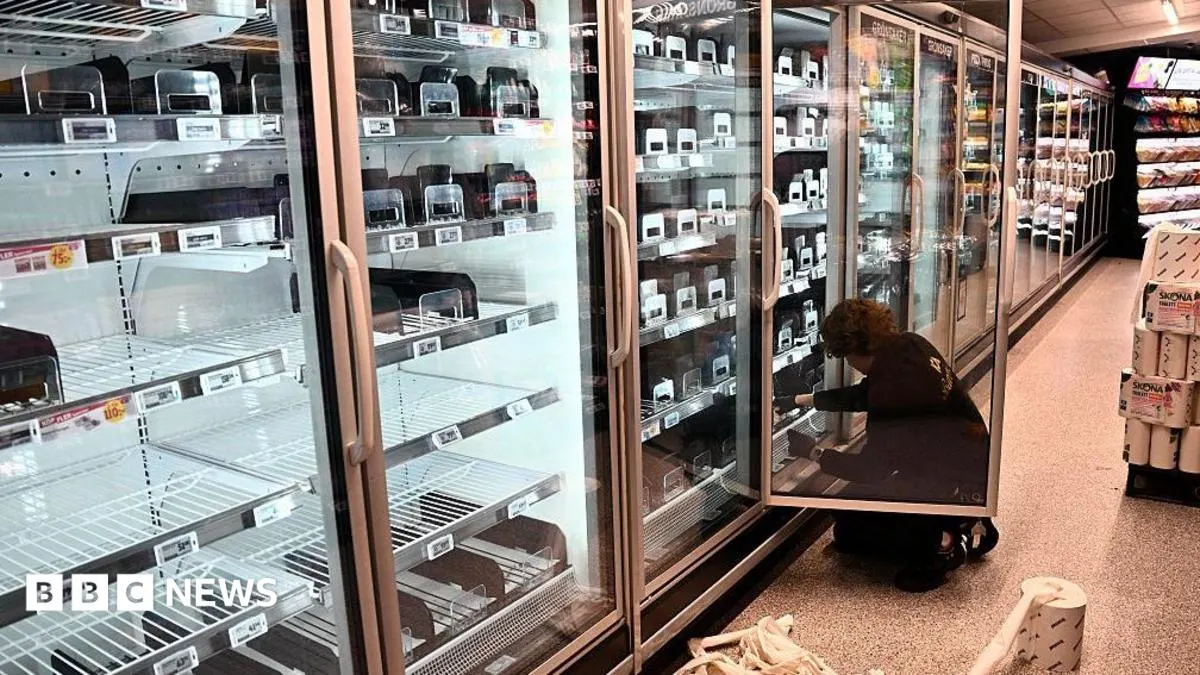
A secret nationwide operation secured tens of thousands of UK fridges and freezers after researchers found a security flaw that could have allowed hackers to change their temperatures. The risk mattered because a successful attack could have spoiled large quantities of food and disrupted businesses and supply chains.
The flaw affected controllers made by British firm Resource Data Management, each of which can manage dozens of refrigeration units. Researchers, the National Cyber Security Centre and other agencies alerted companies, and thousands of controllers were taken offline or disconnected while temperatures were monitored manually. The response followed attacks on refrigeration systems at hundreds of French food sites and supermarkets in seven European countries.
- Sources
- 2
- Outlets
- 2
- Left · Centre · Right
- 0 · 1 · 1
In short
- A flaw put UK commercial refrigeration systems at risk.
- Thousands of controllers were taken offline or disconnected.
- Officials and researchers coordinated a nationwide response.
How this story developed
- 7 hours ago The BBC has now revealed that a secret nationwide operation secured tens of thousands of UK fridges and freezers from a newly discovered cyber-security flaw. The risk could have allowed hackers to change temperatures, spoil food and disrupt businesses and supply chains.
- 13 hours ago A nationwide cyber-security operation has secured tens of thousands of UK refrigeration units after researchers found a flaw that hackers might have exploited. The risk mattered because attackers could have raised temperatures and spoiled food, disrupting businesses and supply chains.
- 13 hours ago A secret nationwide operation secured tens of thousands of UK fridges and freezers after researchers found a security flaw that could have allowed hackers to change their temperatures.
Full account
A nationwide cyber-security operation has been completed to protect tens of thousands of commercial fridges and freezers across the UK. The equipment is used by supermarkets and other businesses, including warehouses, restaurants, petrol stations and sports venues. The BBC reports that the effort was kept under wraps while companies and security teams worked to reduce the chance that attackers would learn how to exploit the weakness.
The alert followed attacks on refrigeration controls elsewhere in Europe. In October, hundreds of French supermarkets and food-processing sites were affected, with reports of spoiled stock and fires. A further incident in early November affected stores in several European countries. The reports describe different manufacturers’ equipment being involved in the incidents; the BBC also says France attributed one wave to Iran, which denied responsibility.
Researchers at Omega Systems identified a security flaw in controllers widely used in the UK, and Pen Test Partners helped investigate and publicise the risk to relevant organisations. The National Cyber Security Centre, Defra and the Food Standards Agency joined the response, contacting businesses and holding calls with industry. Companies were advised to take exposed devices off the public internet. In some cases, workers disconnected equipment physically and monitored temperatures by hand while systems were secured.
A worker at a large supermarket chain told the BBC that its IT teams removed hundreds of devices from the internet each day over a week. They described the work as urgent and warned that a successful attack could disrupt operations and supply chains, as well as put large quantities of stored food at risk. The reports say the warnings extended beyond supermarkets to convenience shops, food processors, cold-storage sites, hotels, ports and arenas.
Where outlets differ
From the full account, which is AI-written from the sources:
The BBC report frames the operation as a previously undisclosed effort, explaining that publication was delayed to avoid alerting potential attackers. The second report leads with the completed operation and foregrounds the damage caused by attacks in France, including fires and food losses.
The BBC says the vulnerability was found by Omega Systems and then verified and developed by Pen Test Partners. The second report calls the firm Omega Solutions in one passage and focuses on an analysis of UK controllers made by British company Resource Data Management; the first names the company Omega Systems and does not identify the controller maker in the supplied excerpt.
The BBC describes the November attacks as affecting dozens of supermarkets across seven European countries and mentions Sweden among countries reporting an incident. The second report highlights Belgian manufacturer Sabcobel in connection with the latest attack and gives additional details about the equipment, while its supplied text ends mid-sentence.
The BBC says France blamed Iran for one wave of attacks and notes Tehran’s denial. The second report does not include that attribution in the supplied text. Both accounts report the anonymous supermarket worker’s warning about the race to secure systems and potential disruption.
Centre outlets 1
Only here: secured, nationwide
Right-leaning outlets 1
Only here: cold, cyber, protect, freezers, race
Every side used: tens, thousands, fridges, hackers, secret, operation
Headline columns compared word for word; nothing in them is AI-written.
Steelman: both sides, in good faith
The strongest fair case each way — we don't pick a winner.
The case for
A rapid, coordinated response was justified because compromised refrigeration controls could spoil food and disrupt businesses and supply chains. Researchers and agencies acted on evidence of repeated attacks, and taking vulnerable controllers offline or disconnecting them could reduce the risk while companies addressed the flaw.
The case against
The response should be proportionate to the demonstrated risk, since taking controllers offline can itself disrupt refrigeration and business operations. Resource Data Management disputed how critical the vulnerabilities were, so companies and authorities had reason to scrutinise the evidence, weigh potential harms and communicate clearly about the basis for the intervention.
Explained simply
Commercial fridges and freezers often use networked controllers so staff can monitor and adjust many units remotely. Resource Data Management, a British company, makes controllers used in this way.
A flaw in the controllers could have let hackers change temperatures, potentially spoiling food or interrupting businesses and supply chains. The National Cyber Security Centre is the UK agency that helps protect the country from cyber threats, and it worked with other organisations to alert affected firms.
Coverage · 2 sources
Bias meters
From 2 rated sources.
Business Culture Cybersecurity Food Technology UK World