World news and discussion on TalkFuse.
Do you need a measles booster shot now that the U.S. has lost its elimination status?
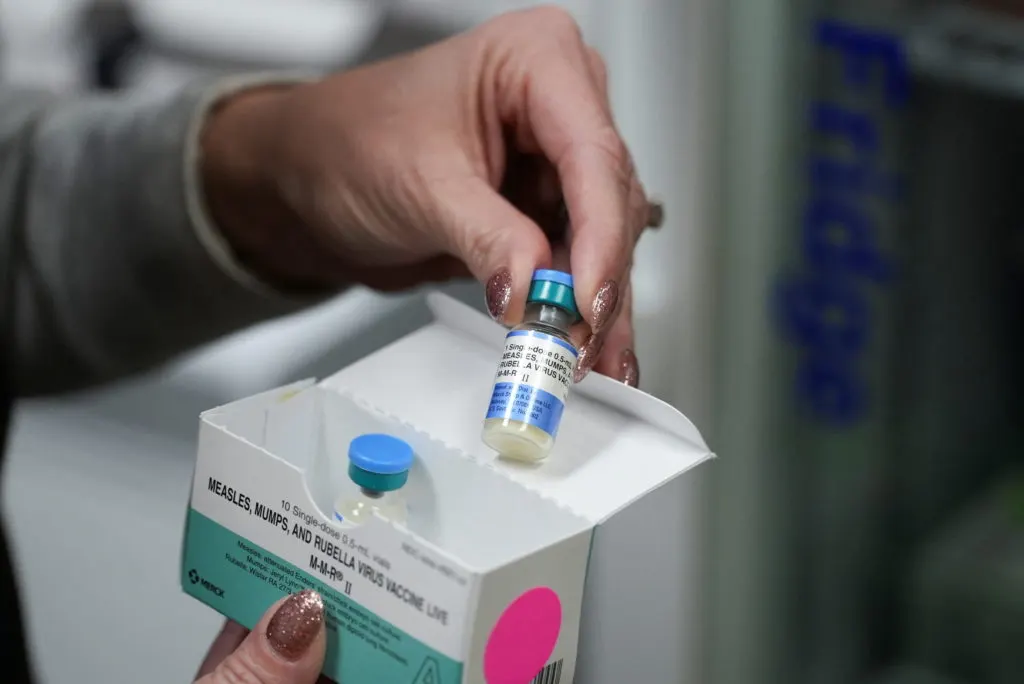
The U.S. has lost its measles-elimination status after persistent outbreaks, prompting questions about whether adults need booster shots. Experts say most people do not: two doses of the MMR vaccine, or having had measles, generally provides long-lasting protection.
Adults with no documented vaccination may need a dose, while a second dose is recommended for some people at higher risk, including healthcare workers, students and international travellers. People vaccinated between 1963 and 1967 may have received a less effective vaccine; those born before 1957 are generally presumed immune, with an exception for healthcare workers without proof of immunity. One MMR dose is 93% effective and two are 97%; people unsure of their status can check records or discuss vaccination with a doctor.
In short
- Most adults do not need an MMR booster.
- Some high-risk adults may benefit from a second dose.
- One dose is 93% effective; two are 97%.
Explained simply
Measles is a highly contagious virus that can cause serious illness, particularly in young children and people with weakened immune systems. Vaccination programmes greatly reduced its spread in the United States, and “elimination” means the virus was no longer spreading continuously within the country, even though cases could still arrive from abroad.
The MMR vaccine protects against measles, mumps and rubella. Most people who have had two doses, or had measles, are considered to have lasting protection; vaccination records can help confirm someone’s status.
Some adults may need a dose if they have no record of vaccination, and a second dose is advised for certain groups, such as healthcare workers, students and international travellers. People vaccinated from 1963 to 1967 may have received a less effective version, while those born before 1957 are generally presumed immune, with different guidance for healthcare workers.