World news and discussion on TalkFuse.
US let Nvidia and AMD sell bucketloads of chips to military-linked Chinese companies
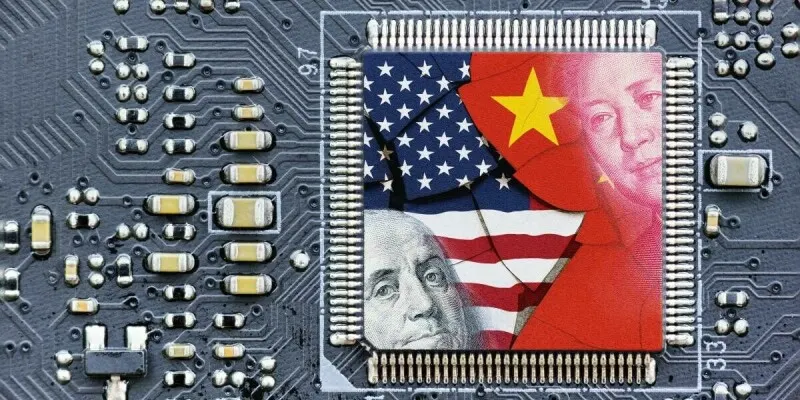
The US Commerce Department approved 879,000 advanced AI chip sales to Chinese companies, including Alibaba and Tencent, which the Department of War classifies as Chinese military companies. The disclosures, made by House Foreign Affairs Committee chair Brian Mast, raise questions about whether export controls intended to limit China’s military access to advanced computing are being applied consistently.
Mast said companies applied for licences to sell 3.4 million chips in total. The Bureau of Industry and Security rejected Nvidia proposals for 610,000 chips to Alibaba and 508,000 to ByteDance, but approved other sales; Mast also alleged some applications involved intermediaries suspected of diverting chips to China. A new US policy restricting remote access to advanced AI chips has prompted Tencent and Alibaba to warn of near-term effects, though both expect Chinese chipmakers to produce advanced hardware at scale in 2027 or 2028.
In short
- US approved 879,000 advanced chip sales to Chinese firms.
- Some approved buyers are designated Chinese military companies.
- Alibaba and Tencent expect domestic chips to ease future constraints.
Steelman: both sides, in good faith
The strongest fair case each way — we don't pick a winner.
The case for
Approving some sales could reflect a judgement that targeted licensing is more effective than a blanket ban: it can preserve commercial ties and US firms’ competitiveness while allowing officials to assess buyers and applications individually. If the approved transactions were judged to pose manageable risks, and controls still blocked proposals seen as more dangerous, selective approval may balance economic interests with national security.
The case against
Allowing large volumes of advanced chips to reach companies classified by the Department of War as Chinese military companies could make it harder to limit China’s access to computing relevant to military and intelligence work. Reports of suspected diversion through intermediaries also raise concerns that case-by-case licensing may be difficult to enforce consistently, weakening the purpose and credibility of export controls.