Technology news and discussion on TalkFuse.
Uber trials supervised rides for children aged 10 to 12 in three US cities
Developing story first seen 5 hours ago
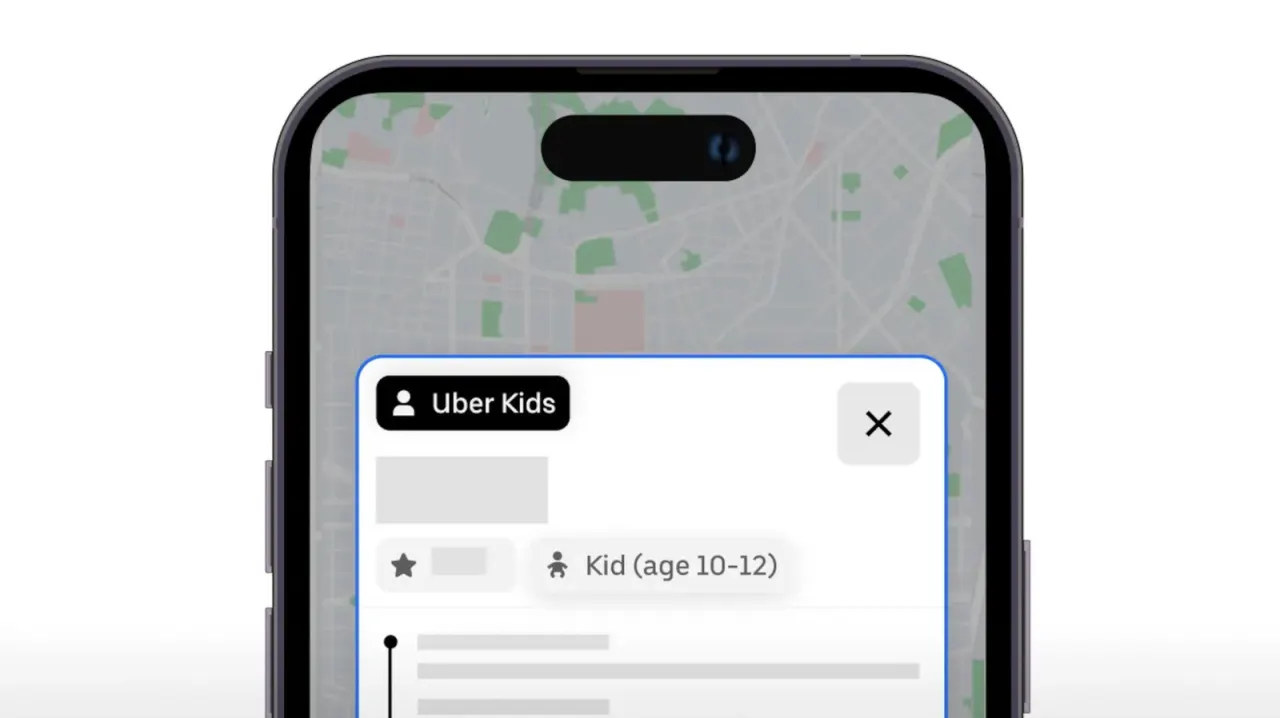
Uber is testing a supervised ride service for children aged 10 to 12 in three US cities, giving parents a way to book and monitor journeys for children who cannot use its teen service. The limited pilot adds a new option for families while placing extra requirements on participating drivers.
The trial is running in Austin, Nashville and Madison. A parent or guardian must book the ride and be at pickup; each trip has one destination, and guardians can watch a live video feed. Only invited, highly rated drivers who complete a short course can participate, and they must enable recordings and camera and microphone access. Drivers receive an extra $7 per Kids trip and $20 for their first one; Uber has not said whether it will expand the pilot.
- Sources
- 2
- Outlets
- 2
- Left · Centre · Right
- 0 · 0 · 0
In short
- Uber is piloting supervised rides for children aged 10 to 12.
- The service is available in three US cities.
- Drivers receive extra pay and must meet added requirements.
How this story developed
- 2 hours ago Uber has begun piloting Uber Kids, a service that lets parents and guardians book rides for children aged 10 to 12.
- 3 hours ago Uber is testing a supervised ride service for children aged 10 to 12 in three US cities, giving parents a way to book and monitor journeys for children who cannot use its teen service.
Full account
Uber has begun testing Uber Kids, a ride service for children aged 10 to 12, in Austin, Texas; Nashville, Tennessee; and Madison, Wisconsin. The limited pilot, introduced quietly in recent weeks, lets parents and guardians book a journey for a child and monitor it remotely. Uber has not said whether it will extend the trial to other cities or continue it beyond the pilot.
A parent or guardian must arrange the journey through a family profile and be present when the child is collected. The second report says families must complete an onboarding process explaining the safety features and leave the driver a note about the drop-off. Each trip is to one destination; the first report specifically notes that multi-stop journeys are not permitted. A guardian may travel with the child, and other minors may join with permission from their own parents or guardians.
The service builds on Uber for Teens, which allows 13- to 17-year-olds in a family profile to book their own rides. For Uber Kids, the adult remains responsible for making the booking. Participation is restricted to invited, highly rated drivers, who must complete training and enable live video streaming so a guardian can follow the journey. The second report also describes PIN checks for every trip, encrypted recordings unavailable to drivers, and sensors and GPS intended to flag route deviations, unexpected stops or early endings. The first report adds that guardians and safety agents can access the live feed, and that drivers are notified when streaming begins.
Uber says participating drivers will receive an additional $7 for each Kids trip compared with a standard UberX ride, plus $20 for their first such journey. The extra payment reflects the added duties involved in carrying younger passengers. The trial could help Uber serve families with busy schedules and, if it grows, put it in competition with specialist services such as HopSkipDrive and Zum. For now, however, its future is uncertain.
Where outlets differ
From the full account, which is AI-written from the sources:
The first report gives more detail about the operational limits: journeys must have a single destination, guardians may accompany the child, and other minors may join with permission. It also says only guardians and safety agents can view the live feed and that drivers are alerted when it starts.
The second report gives more detail about safeguards and enrolment, including parent onboarding, a note about the drop-off, PIN verification, encrypted recordings and GPS and sensor monitoring. It also places the pilot in the context of Uber’s plans to reach more family customers and possible competition with specialist transport providers.
The second report explicitly cautions that the pilot may not expand or last beyond the current trial; the first likewise says Uber has not announced expansion plans, but focuses more on driver eligibility, recording requirements and compensation.
Steelman: both sides, in good faith
The strongest fair case each way — we don't pick a winner.
The case for
A supervised ride option could help families manage school, activities and other trips when a parent cannot drive, while giving children access to transport they cannot book themselves. Requiring an adult to book and attend pickup, limiting trips to one destination and restricting participation to trained, highly rated drivers may offer parents more oversight than an informal arrangement.
The case against
Children aged 10 to 12 are especially vulnerable, and a live video feed and driver recording may not prevent misconduct or ensure a quick response if something goes wrong. The service also asks families to trust a private company’s safeguards and drivers with children travelling without a guardian, raising questions about privacy, accountability and whether the added pay and short course are enough to support that responsibility.
Explained simply
Uber is a ride-hailing company: passengers use its app to book a car and pay for the journey. Its usual service is designed for people who can arrange their own trips, while younger children generally need an adult to organise and supervise travel.
In the US, rules and family arrangements vary, but parents may need transport for children travelling to school, activities or appointments. A service for children therefore involves both the adult arranging the trip and the driver responsible for the journey.
Uber’s trial brings those roles together by requiring an adult to book and attend pickup, while the company sets conditions for participating drivers and lets guardians monitor the trip. It matters because it tests how an app-based transport service might handle journeys for children who cannot book rides themselves.
Coverage · 2 sources
Read the full article at the source →
Originally published by Engadget as “Uber Kids will let parents book trips for their children aged 10 to 12 years old”.