Science news and discussion on TalkFuse.
Incan kids as young as 6 were fed booze, cocaine and ayahuasca before being sacrificed on mountaintops: study
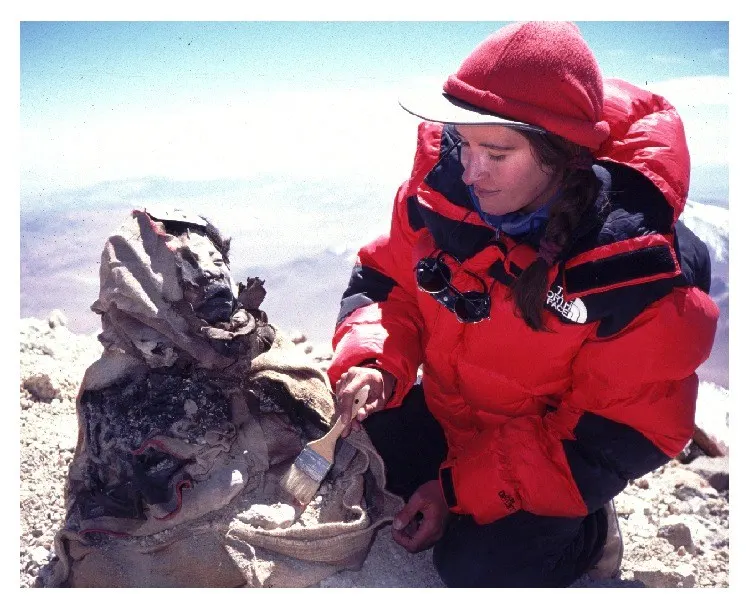
Researchers examining eight Inca child mummies found evidence that some had consumed alcohol and coca before their deaths. The findings add scientific evidence to historical accounts of capacocha rituals, in which children were offered to mountain deities during crises or important royal events.
Hair samples from children aged 6 to 14 contained traces of alcohol and coca; Argentine mummies also showed cocaethylene, formed when alcohol and coca are combined. Fingernail testing of a 14-year-old found on Peru’s Mount Ampato detected harmine, a compound associated with ayahuasca. Researchers suggest the substances may have helped calm the children and ease hunger or altitude sickness during their ascent; accounts and archaeological evidence indicate that victims were killed or buried at summit sites and laid out with fine textiles and offerings.
In short
- Tests found alcohol and coca traces in eight Inca child mummies.
- A 14-year-old’s fingernail showed a compound associated with ayahuasca.
- Researchers say substances may have helped soothe children during the journey.
Explained simply
The Inca ruled a large empire in western South America from the 15th century until the Spanish conquest in the 16th century. Their religion included mountain deities, and historical accounts describe capacocha ceremonies in which children were offered during major events or times of crisis.
The children were taken to high mountain sites, where some were buried with fine clothing and other offerings. Researchers have tested preserved hair and nails from several child mummies for traces of substances they may have consumed before death.
The findings can help show how capacocha ceremonies were carried out and how children may have been prepared for the journey. They also add scientific evidence to historical accounts, though tests on a small number of mummies cannot establish every detail of the ritual.