Business news and discussion on TalkFuse.
What impact has Brexit had on the UK and EU economies?
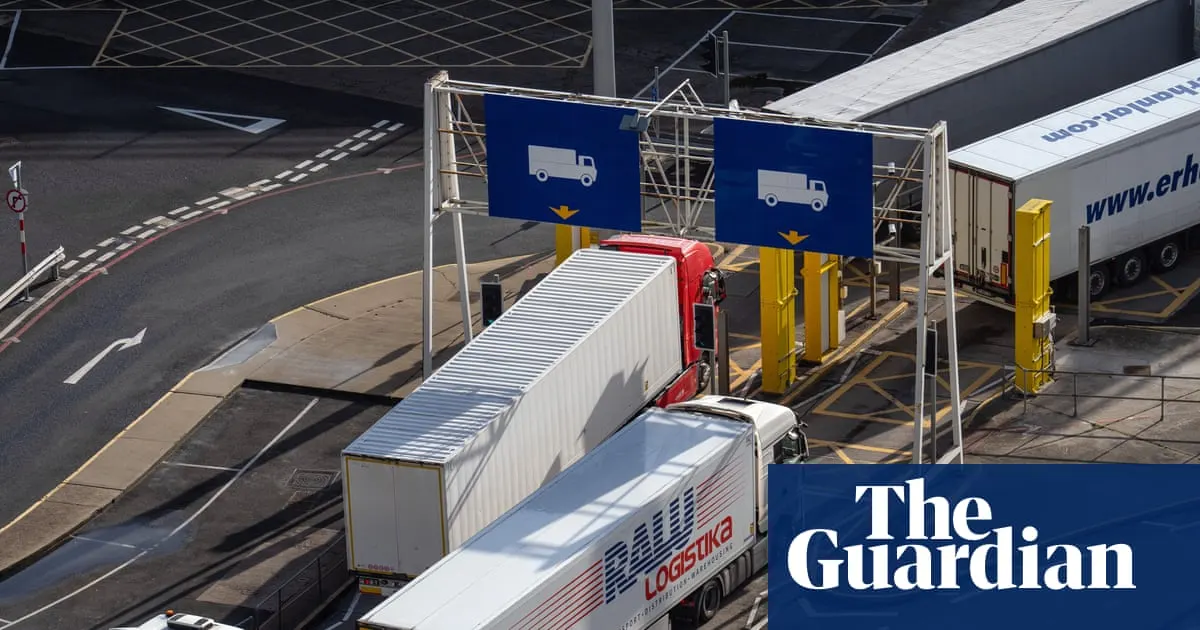
Brexit has weakened UK economic performance by disrupting investment and adding trade barriers, with estimates putting GDP per person below where it might otherwise have been. The findings form the backdrop to a UK-EU summit on closer relations, as Prime Minister Andy Burnham argues that leaving the bloc has not worked.
UK goods exports to the EU in 2025 were 14% below their 2019 level in real terms, while services exports to the EU were 28% higher. Estimates of Brexit’s effect on UK GDP range from a 4% reduction over 15 years, according to the Office for Budget Responsibility, to 6% to 8% lower GDP per head in Nick Bloom’s analysis. The EU has also faced trade barriers and political effects, but its larger market has limited the economic impact; both sides are contending with global pressures including the Middle East war.
In short
- Brexit has weighed on UK investment and goods trade.
- UK services exports have grown since 2019.
- The EU has faced effects too, alongside global economic pressures.
Steelman: both sides, in good faith
The strongest fair case each way — we don't pick a winner.
The case for
Brexit supporters can argue that leaving the EU gave the UK greater scope to set its own rules and trade policy, and that the reported figures do not capture all potential long-term gains from that freedom. They may also point to stronger services exports to the EU and stress that economic performance is shaped by global pressures as well as Brexit.
The case against
Critics can argue that leaving the single market and customs union added friction to trade and weakened investment, leaving UK output and income below where they might otherwise have been. They point to estimates of lower GDP per person and falling real goods exports to the EU, while noting that the EU’s larger market has helped limit the effects on its economy.
Explained simply
Brexit is the UK’s departure from the European Union, completed in 2020. Before leaving, the UK was part of the EU’s single market and customs union, which made trade between members easier; since then, businesses have faced new checks and rules when trading across the UK-EU border.
The UK government and the EU set the terms of their trading relationship, while businesses, workers and consumers experience the effects through costs, investment and access to markets. Economists compare the UK’s performance with estimates of what might have happened had it remained in the EU, but those estimates vary and are difficult to separate from other economic changes.
The issue matters because the UK and EU are major trading partners, and changes in trade can affect jobs, prices and growth on both sides. The UK’s economy is smaller than the EU’s, so the same disruption may have a different effect on each.
Business Economy Europe Geopolitics Government Middle East Politics UK World