World news and discussion on TalkFuse.
UK borrowing soars to £111bn as debt bill surges
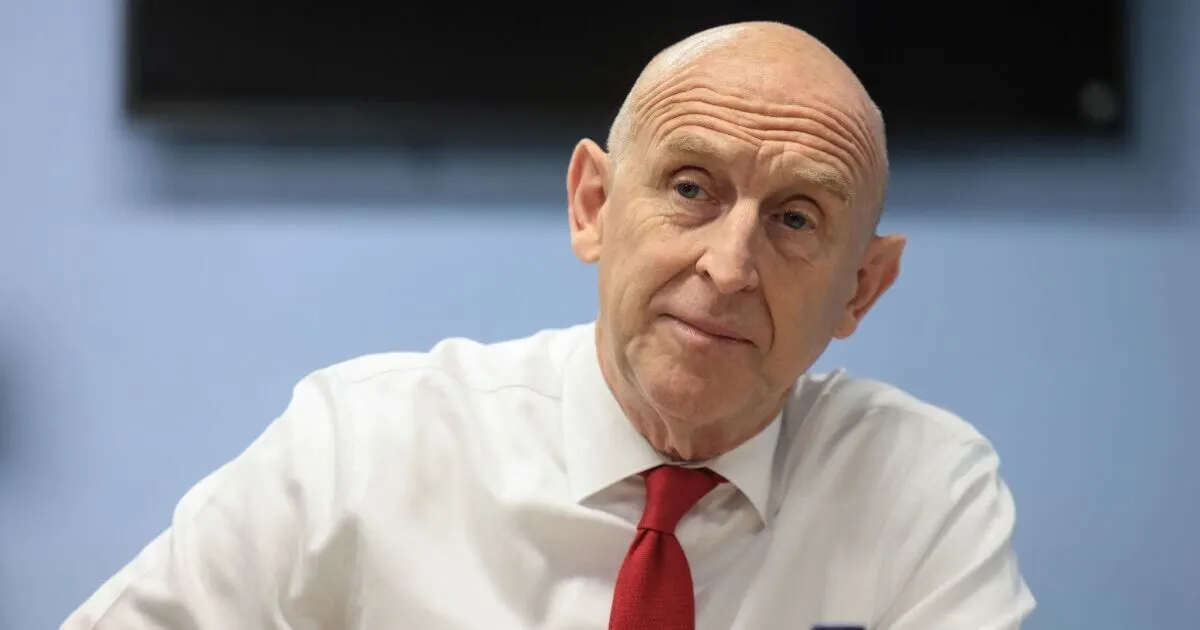
UK government borrowing reached £111.3bn in the financial year to October, £3.3bn above the official forecast, as a sharp rise in debt interest pushed October borrowing higher than a year earlier. The figures highlight the pressure on Chancellor John Healey’s plans to manage public finances, although October borrowing was below most economists’ expectations.
Debt interest reached £11.2bn in October, a record for that month, contributing to total monthly borrowing of £17bn. Borrowing so far this financial year is £7.3bn lower than in the same period last year, but remains the third highest on record; total government debt stood at £3.1tn, or 95.8% of GDP. The OBR expects borrowing to exceed its previous forecasts in each of the coming years.
In short
- October debt interest hit a record £11.2bn.
- Year-to-date borrowing reached £111.3bn.
- Public debt rose to £3.1tn, or 95.8% of GDP.
Steelman: both sides, in good faith
The strongest fair case each way — we don't pick a winner.
The case for
Higher borrowing can be defended as a way to meet public needs and support the economy when pressures are acute, rather than cutting services or investment abruptly. Advocates may also argue that borrowing can be sustainable if it funds productive investment and the government has a credible plan to manage debt over time.
The case against
The rise in borrowing and record October debt interest strengthen the case for tighter control of public finances, since servicing debt uses money that could otherwise support services or reduce taxes. If borrowing keeps exceeding forecasts, advocates of restraint may argue that the government should curb spending or raise revenue to limit future interest costs and protect fiscal credibility.
Explained simply
The government borrows when its spending is greater than the money it raises, mainly through taxes. The Chancellor, John Healey, sets tax and spending plans, while the Office for Budget Responsibility (OBR) independently forecasts how the public finances are likely to develop.
Government debt is the total built up from past borrowing, and interest is the cost of servicing it. When interest rates or the amount of debt rise, more public money may be needed for those payments, leaving less room for other spending or tax changes.
Borrowing is often compared with the size of the economy, measured by gross domestic product (GDP), to give a sense of the debt burden. The level of borrowing and debt can affect future budgets, government choices and the cost of borrowing.