World news and discussion on TalkFuse.
Beijing ranked its guests in Shenzhen. Putin came second, and so does his bluff
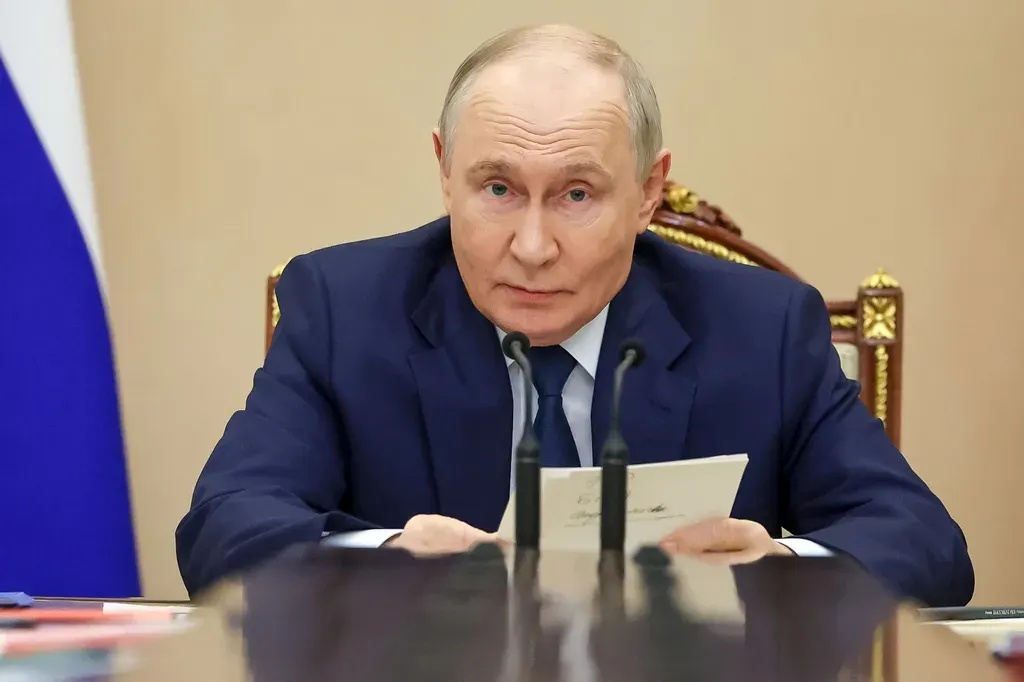
Xi Jinping gave Donald Trump a more prominent welcome in Shenzhen than Vladimir Putin, greeting Trump at Air Force One while Putin was met by Xi’s chief of staff. The contrast in protocol and their places at an APEC leaders’ photo offered a public indication of Beijing’s relative treatment of the two visitors.
Putin arrived several hours before Trump and was welcomed by Cai Qi, a senior Communist Party official, but not by Xi. At the leaders’ photo, footage showed Xi directing Putin to his place, with Xi’s wife between them and Trump beside Xi. The article says the images prompted comparisons online, though it gives no further details about the meetings.
In short
- Xi greeted Trump at the aircraft stairs in Shenzhen.
- Putin was welcomed by Xi’s chief of staff.
- Their positions at the APEC photo drew attention.
Steelman: both sides, in good faith
The strongest fair case each way — we don't pick a winner.
The case for
The difference in protocol can reasonably be read as a deliberate signal that Beijing values its relationship with Trump and sees him as the more consequential guest. Public welcomes and seating arrangements are tools of diplomacy, and Xi’s personal greeting and Trump’s position beside him may indicate a wish to cultivate influence with Washington.
The case against
Protocol and photo positions are ambiguous evidence of Beijing’s priorities: they can reflect scheduling, logistics, or the conventions of a particular event rather than a considered ranking of leaders. Putin’s earlier arrival and the limited details about either meeting make it difficult to infer that the staging represented a substantive downgrade or that it revealed anything decisive about his leverage.
Explained simply
China’s leader, Xi Jinping, hosts foreign leaders at international gatherings such as APEC, where economies around the Pacific discuss trade and regional issues. The way leaders are welcomed and seated can signal how China wants to present its relationships, though protocol alone does not explain the substance of those ties.
Donald Trump, the US president, and Vladimir Putin, Russia’s president, are both prominent visitors to China. Their countries have different interests and relationships with Beijing, so observers often look for signs of how China balances its dealings with each.
Such public signals matter because China’s ties with the United States and Russia affect diplomacy, security and trade. They can prompt questions about Beijing’s priorities, but the meaning of a particular gesture may be open to interpretation.
Asia Government Politics World