Health news and discussion on TalkFuse.
Fight to protect Irish boy who was removed from mother’s care and placed in the care of his father, who the child alleges has abused him reaches Westminister
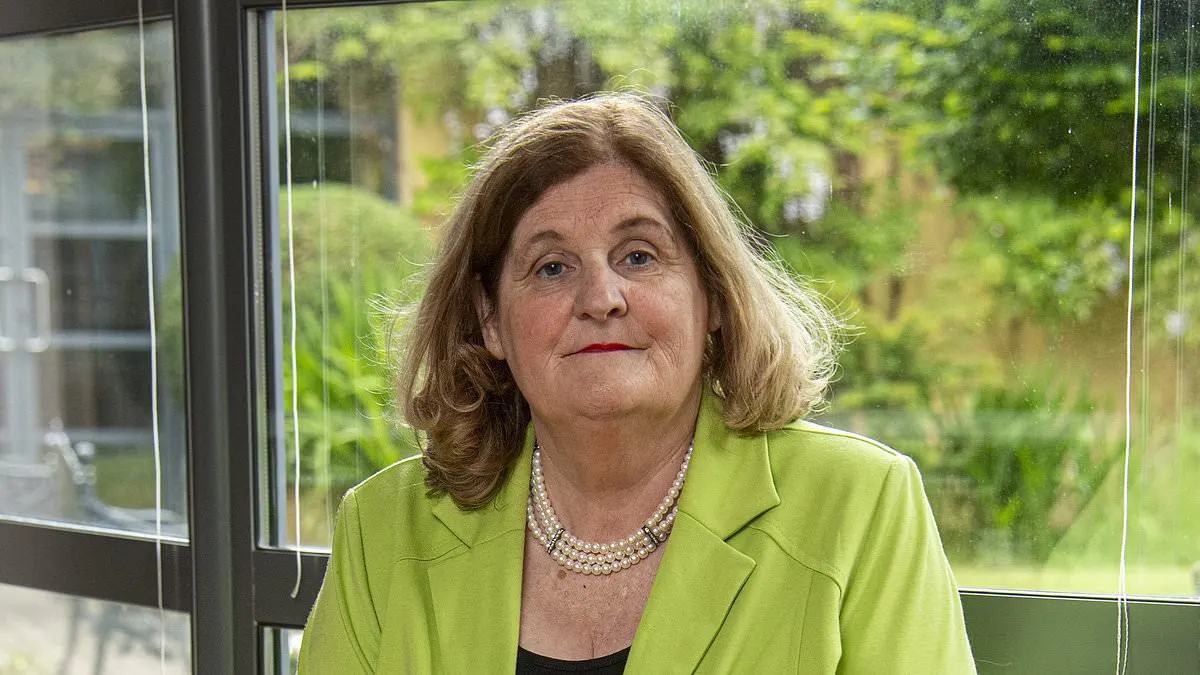
The case of an Irish boy, identified by the pseudonym Patrick, was raised at a summit in the UK Parliament about protecting whistleblowers. He was removed from his mother’s care and placed with his father after making allegations of abuse, while concerns about the handling of the case and the treatment of a Garda whistleblower were also discussed.
The article says Patrick had disclosed abuse to doctors, a psychologist and his mother, and that other people reported sexualised behaviour; a court-appointed expert accused his mother of parental alienation. Separately, a group is gathering testimony from nearly 200 women for a planned submission to a UN committee, with more than 70 per cent reporting coercive control and concerns about children’s mental health. The article text ends mid-sentence while describing comments by Aontú leader Peadar Tóibín.
In short
- An Irish boy’s case was raised at a Westminster summit.
- He was placed with his father despite reported abuse allegations.
- A group is preparing a UN submission based on nearly 200 accounts.
Steelman: both sides, in good faith
The strongest fair case each way — we don't pick a winner.
The case for
Those arguing for the decision to place Patrick with his father could say that child-protection and family-court decisions must weigh all the evidence, including expert assessments of family dynamics, rather than treat allegations as established facts. They may argue that a court-appointed expert’s concern about parental alienation was relevant to assessing whether contact with his mother was in Patrick’s interests, while stressing that any allegations of abuse should still be investigated carefully.
The case against
Those opposing the decision could argue that Patrick’s reported disclosures to several adults, alongside concerns about sexualised behaviour, warranted especially cautious safeguarding and a thorough, independent investigation before changing his care. They may contend that treating the mother’s conduct as parental alienation risks discounting a child’s account, and that scrutiny of the case and the Garda whistleblower’s treatment is needed to ensure concerns were handled properly.
Explained simply
In Ireland, decisions about where a child lives are made through the family courts, which can consider evidence from parents, professionals and court-appointed experts. Children may be placed with one parent while a case is assessed, and allegations of abuse and concerns about a child’s welfare can be disputed.
Gardaí are Ireland’s national police service. A whistleblower is someone who reports suspected wrongdoing, including within an organisation; their treatment can become part of wider debate about whether people feel able to raise concerns. The case has drawn attention to how child welfare concerns and reports by professionals are handled.
A separate group is collecting accounts from women about coercive control, a pattern of behaviour used to intimidate or control a partner or family member. It plans to submit this evidence to a United Nations committee, an international body that examines countries’ human rights obligations.