New releases, music videos and album news — indie, rap, rock and pop. Always covering Ren, Chris Webby, Sam Tompkins, bbno$, CHINCHILLA, Muse, Yungblud and more.
In 1977, The Clash were punk heroes, but by 1981 they had fallen in love with hip-hop
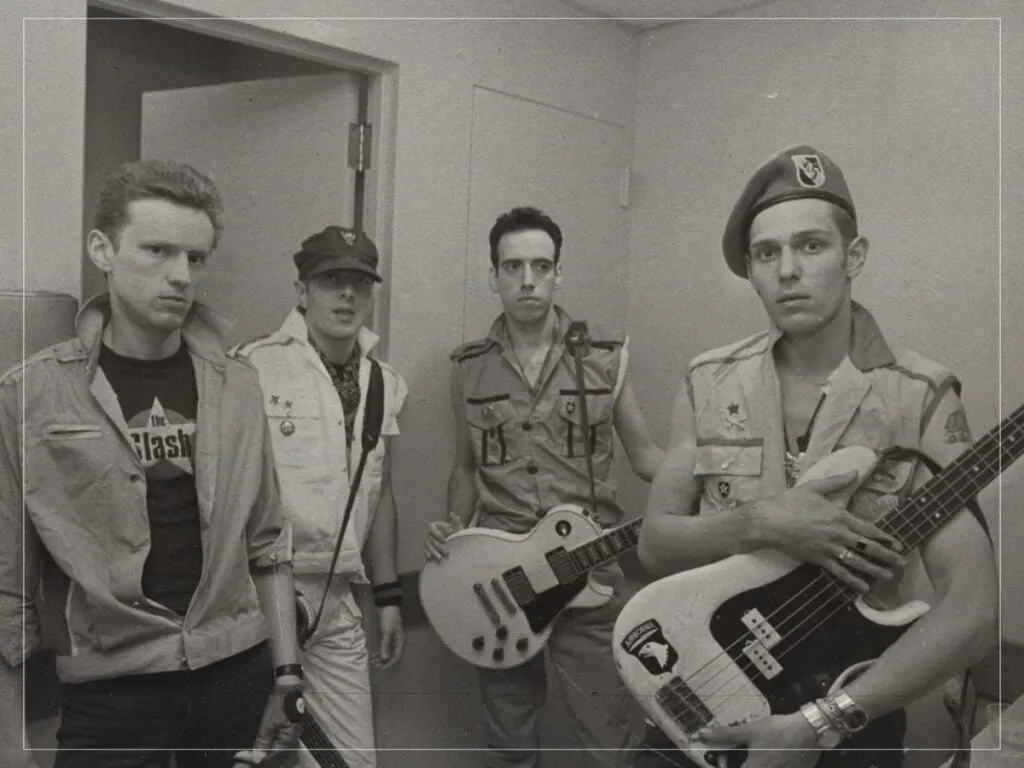
The Clash moved beyond their raw punk sound by drawing on musical styles they encountered as their career progressed. Their 1981 single ‘This Is Radio Clash’ brought together punk, dub and hip-hop influences, reflecting the band’s growing interest in New York’s emerging hip-hop culture.
The article traces that openness to their 1977 debut, which included a reggae-influenced cover of ‘Police and Thieves’, and later experiments with rockabilly, dub and jazz on 1979’s London Calling. A 17-night residency at New York’s Bonds International Casino helped shape their interest in hip-hop and sampling. Some listeners accused the band of abandoning punk, but the article argues that punk and hip-hop shared a DIY spirit and sense of alienation, and that the crossover anticipated later rap-rock and rap-punk acts.
In short
- The Clash blended punk, dub and hip-hop on a 1981 single.
- A 17-night New York residency helped spark their interest in hip-hop.
- Their genre experiments drew “selling out” accusations but echoed punk’s DIY roots.
Steelman: both sides, in good faith
The strongest fair case each way — we don't pick a winner.
The case for
The Clash’s move into hip-hop can be seen as a natural extension of punk’s DIY ethos: borrowing sounds, experimenting and giving voice to people who felt alienated from mainstream culture. Their earlier reggae and dub influences suggest they were already treating punk as open to exchange, and the New York concerts exposed them to a new scene worth engaging with.
The case against
A listener who valued punk’s raw sound and its distinct identity could reasonably see the shift towards hip-hop and sampling as a departure from what had made The Clash compelling. Drawing on other scenes may have broadened the music, but it could also seem to dilute punk’s urgency or turn a shared culture into material for a successful rock band.
Explained simply
The Clash were a British band who emerged during the punk scene of the late 1970s, known for fast, direct songs and lyrics about politics and everyday life. Their music also drew on styles such as reggae and dub, which developed in Jamaica, and later incorporated other influences.
In 1981, the band played a long run of shows in New York, where hip-hop was taking shape through DJs, MCs and the use of records in new ways. The Clash’s interest in that scene reflected a wider question about whether punk musicians should stick to a single sound or keep experimenting.
Some listeners saw the band’s musical changes as a move away from punk. Others have connected punk and hip-hop through their do-it-yourself approach and themes of alienation, making the crossover part of a broader history of popular music.