Technology news and discussion on TalkFuse.
OpenAI says it redesigned an AMD GPU and AMD is using some of those tweaks ‘for use in future products’
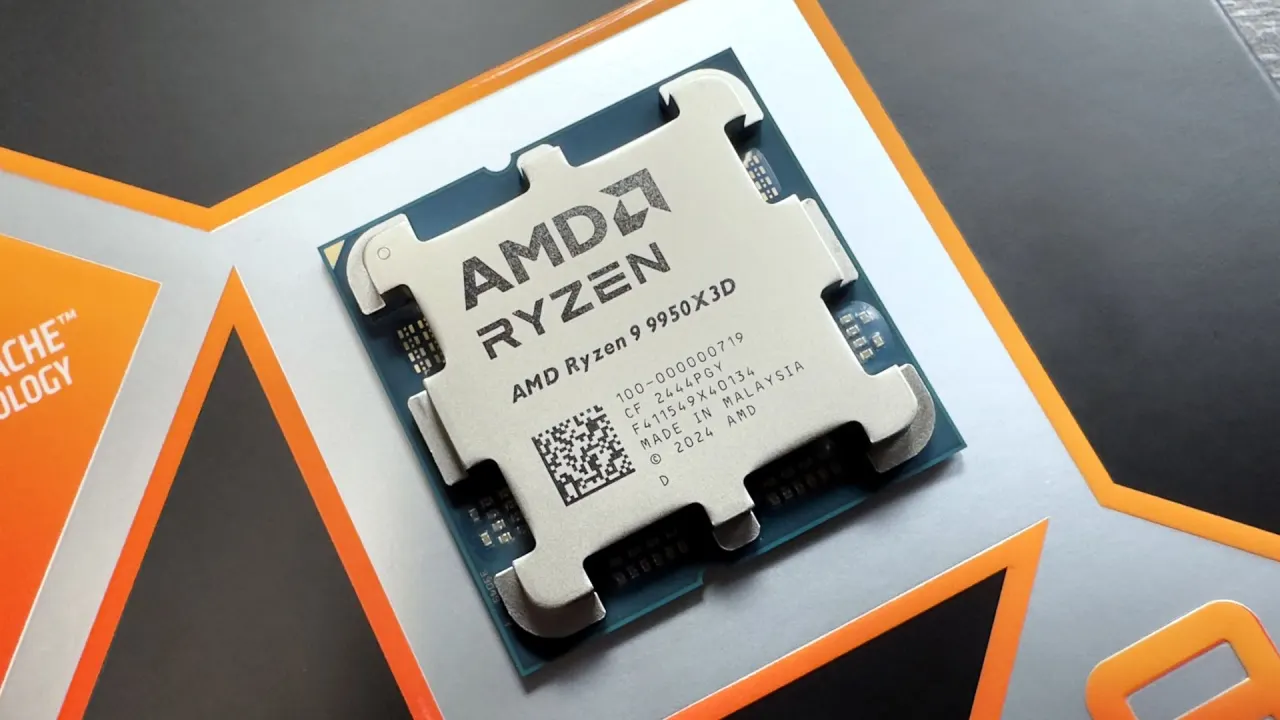
OpenAI says its models have redesigned parts of AMD chip circuitry, with AMD incorporating some of the resulting changes into designs that have gone to manufacturing. The work suggests AI could speed up hardware optimisation, though the reported gains vary by component and still require engineering checks.
OpenAI reports up to a 14% improvement in power, performance and area for AMD flagship GPU IP, and a single-digit improvement for modules in a next-generation CPU. On OpenAI’s Jalapeño chip, changes reduced standard-cell area by about 10%; its multiplier area fell about 15%, while latency dropped from two clock cycles to one. The company says the work took less than five months, and cautions that full redesigns can omit features from the original circuits.
In short
- OpenAI models report up to 14% PPA improvement on AMD GPU IP.
- AMD has used some AI-driven changes in designs sent to manufacturing.
- OpenAI says full redesigns can leave out important features.
Steelman: both sides, in good faith
The strongest fair case each way — we don't pick a winner.
The case for
AI-assisted chip redesign could help engineers explore and refine circuit options faster, producing measurable gains in area, latency and power-performance efficiency. If those improvements carry through manufacturing and testing, the approach could shorten development cycles and help meet growing demand for more capable, energy-efficient computing.
The case against
The reported gains are component-specific and may not translate into equivalent benefits in finished products, where designs must meet strict requirements for reliability, compatibility and manufacturability. AI-generated changes can also omit features or introduce issues, so engineering review and validation remain essential; the results therefore support cautious evaluation rather than assuming AI can reliably redesign complex chips on its own.
Explained simply
AMD is a US chipmaker whose graphics processors, or GPUs, are used to run demanding computing tasks, including artificial intelligence. Its designs contain many circuit blocks that must be tuned to balance speed, power use and the amount of chip space they occupy.
OpenAI develops AI models and says it used them to suggest changes to parts of AMD’s chip designs. AMD is assessing and incorporating some changes into future products, while engineers still need to check that redesigned circuits work as intended and retain required features.
The work matters because improving chip designs can affect how much computing performance manufacturers get from their hardware and how much energy it uses. It also shows how AI tools may contribute to engineering work, although reported gains differ between components.