Technology news and discussion on TalkFuse.
Sean Cairncross reportedly fired as US cyber director after outages
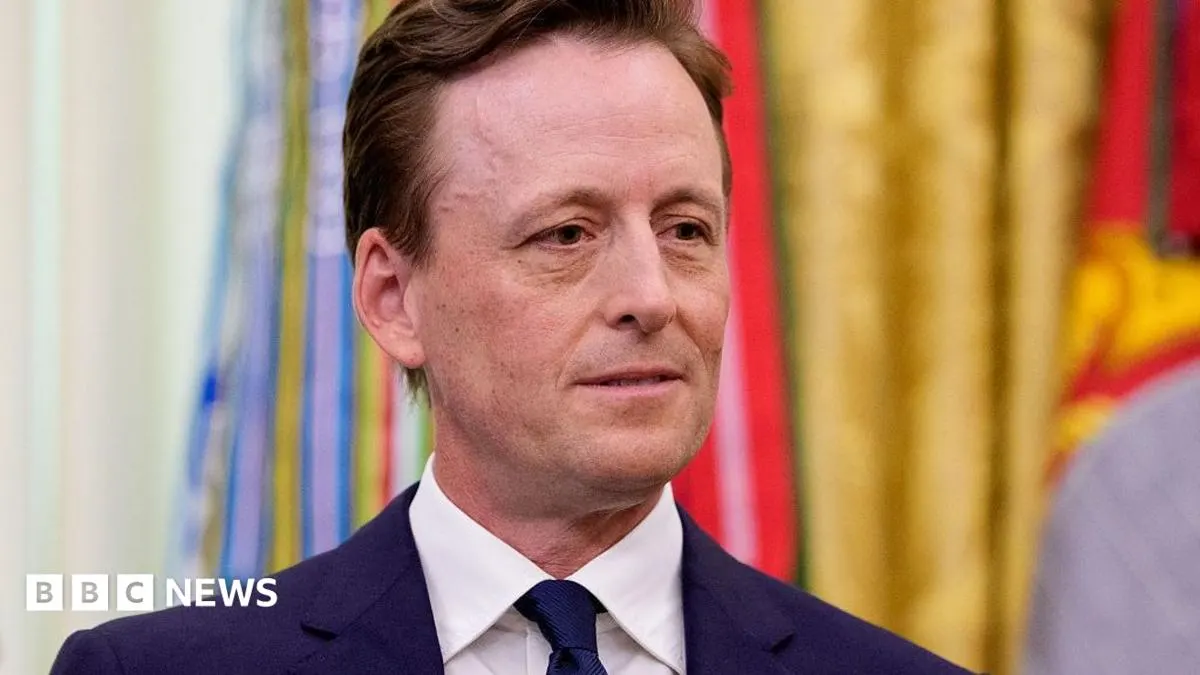
US media report that the White House has fired Sean Cairncross, the government’s top cyber-security official, after he lost the confidence of chief of staff Stephen Miller. The reported departure follows a run of technology outages affecting banking, air traffic control and other sectors, prompting scrutiny from Congress over what went wrong.
The White House has not confirmed Cairncross’s removal or explained it. Secretary of State Marco Rubio announced that Kirsten Davies, the Defence Department’s chief information officer, would become national cyber director; reports say President Donald Trump supported the decision. Officials have said the outages were not caused by cyber-attacks, and Rubio said there was no evidence they were connected or that the US faced a systemic attack.
In short
- Sean Cairncross is reportedly leaving as US national cyber director.
- The reported firing follows several major technology outages.
- Officials say the outages were not caused by cyber-attacks.
Steelman: both sides, in good faith
The strongest fair case each way — we don't pick a winner.
The case for
Replacing the national cyber director could be justified if the outages exposed weaknesses in oversight or preparedness, even without evidence of a cyber-attack. A new leader with defence technology experience might help coordinate agencies, restore confidence and strengthen resilience, while the administration remains entitled to choose officials it trusts.
The case against
Removing the director after outages whose causes have not been publicly established risks making personnel change a substitute for a clear, evidence-based account of what failed. Without confirmed links between the incidents or evidence of systemic attack, critics could reasonably argue that continuity, transparent investigation and congressional scrutiny should come before assigning responsibility.
Explained simply
The national cyber director coordinates the US government’s work on protecting computer systems and responding to cyber threats. The role brings together agencies that manage important services, while those agencies remain responsible for their own systems.
Sean Cairncross held the post, and Kirsten Davies is the Defence Department’s chief information officer. Other key figures include President Donald Trump, who leads the executive branch, and Secretary of State Marco Rubio, who speaks for the administration on foreign policy and has announced the change in the cyber role.
Banks, air traffic control and other services rely on technology, so outages can affect the public and prompt questions about how government systems are managed. Congress oversees the federal government and can investigate disruptions, including whether they share a cause and what steps agencies took.
Cybersecurity Entertainment Technology TV World
Read the full article at the source →
Originally published by BBC World as “White House removes cyber-security chief after series of tech outages”.