Technology news and discussion on TalkFuse.
SpaceX lenders seek to keep loan-backed AI chips on Earth
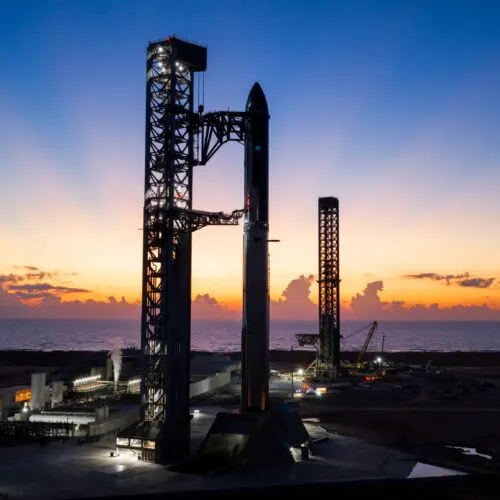
Lenders financing SpaceX’s $43 billion debt package have sought to ensure the advanced Nvidia AI chips backing the loans stay on Earth, where they could be reclaimed and sold if SpaceX defaults. The proposed restriction could complicate Elon Musk’s plans for orbital data centres, which would require sending chips into space, although it is unclear whether the condition made it into the final loan documents.
SpaceX sold more than $30 billion of the package to investors on Thursday, including a $25 billion investment-grade bond backed by five-year lease payments for the chips. The bonds were priced at about 8.3 per cent yield, mature in 2032, and are structured to repay principal in under four years; more than $19 billion had attracted commitments beforehand. Moody’s rated the debt A3 and KBRA rated it A-minus, citing protections including clauses that prevent SpaceX from abandoning the lease.
In short
- Lenders want chip collateral kept on Earth.
- SpaceX sold more than $30 billion in debt.
- The proposed restriction may constrain orbital data centre plans.
Steelman: both sides, in good faith
The strongest fair case each way — we don't pick a winner.
The case for
Keeping the chips on Earth would preserve lenders’ ability to recover and sell valuable collateral if SpaceX defaults, helping protect investors and potentially making the financing available on better terms. Given the scale and complexity of the debt package, requiring clear, enforceable safeguards is a reasonable way to manage risk.
The case against
A restriction on moving the chips into orbit could constrain SpaceX’s plans for orbital data centres and limit how it uses assets it is financing. If the company believes those centres have commercial or strategic value, flexibility to deploy the chips could support innovation and future returns for both SpaceX and its investors.
Explained simply
SpaceX is Elon Musk’s rocket and satellite company. It has borrowed money to finance a large purchase of advanced Nvidia chips, which can be used to train and run artificial intelligence systems. The borrowing is partly tied to lease payments for those chips.
Lenders and investors consider what they could recover if a borrower cannot repay its debts. Chips kept on Earth can be located, reclaimed and sold; equipment sent into orbit would be much harder to retrieve. This matters because Musk has discussed putting data centres in space, where the chips would need to operate.
The lenders are banks and other institutions providing or arranging the financing, while investors buy the bonds SpaceX issues. The terms of the borrowing set out what SpaceX must do and what protections creditors have, so restrictions on where the chips can go could affect the company’s plans as well as lenders’ ability to recover money.
Read the full article at the source →
Originally published by Ars Technica as “SpaceX lenders don’t want Elon Musk launching their collateral into space”.