World news and discussion on TalkFuse.
Henry Zeffman: Burnham’s first taste of EU deal-making unlikely to be his last
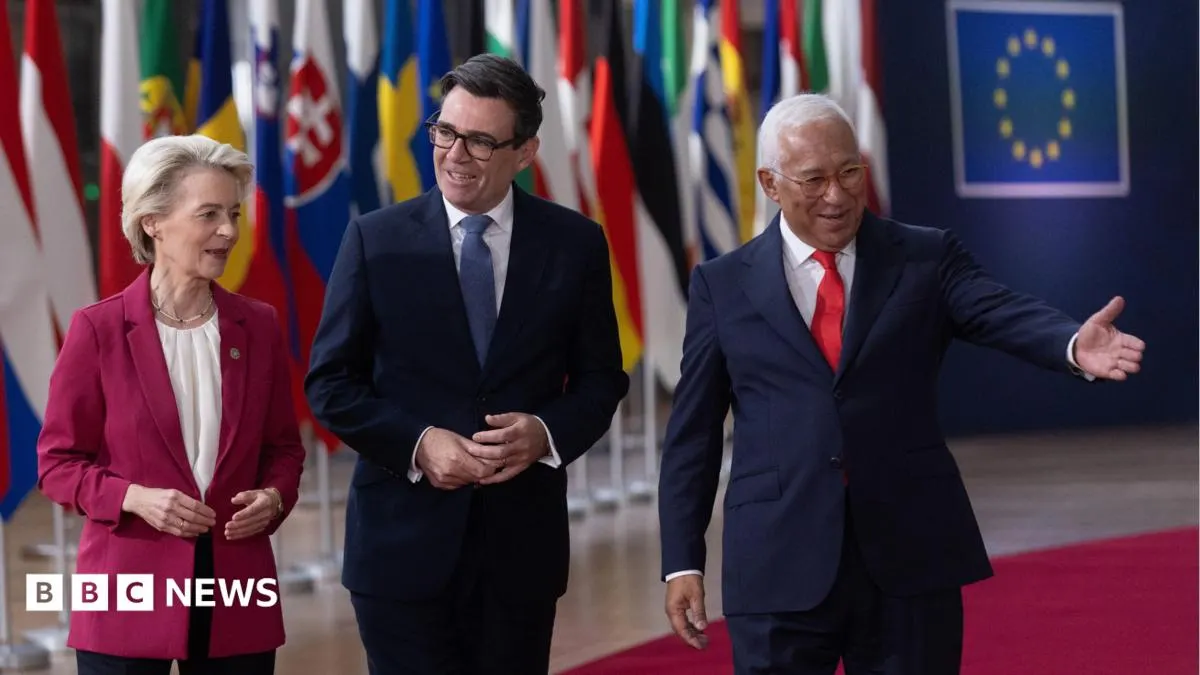
Andy Burnham hailed a new UK-EU agreement on food exports, youth mobility and emissions as a positive step, while a dispute over university fees caused confusion ahead of the summit. The arrangements matter because Burnham’s government has made clear it wants much closer ties with the EU, though it says incremental deals have reached their limits.
Student-fee negotiations will continue separately over the next six months, with any reduction potentially creating costs for UK universities and the government. Burnham said there would be no third annual summit focused on sector-specific agreements, but the sides are expected to hold an informal brainstorming process next year on future relations, including the EU’s “Made in Europe” plans.
In short
- UK and EU agreed measures on food, youth mobility and emissions.
- Talks over fees for European students will continue separately.
- Both sides are expected to discuss broader future ties next year.
Steelman: both sides, in good faith
The strongest fair case each way — we don't pick a winner.
The case for
The agreement offers practical gains in trade, youth mobility and emissions cooperation, and its supporters can argue that incremental deals build trust and deliver benefits without reopening every aspect of the UK-EU relationship. Keeping student-fee talks separate may also allow both sides to examine the financial effects carefully, while an informal process leaves room to consider broader cooperation.
The case against
Critics can argue that sector-by-sector agreements have reached their limits and that the absence of a further annual summit risks leaving the UK without a clear route to closer ties. If student-fee changes impose costs on universities or the government, those costs need scrutiny, and an informal brainstorming process may offer too little certainty about what future cooperation will deliver.
Explained simply
The UK left the European Union in 2020, ending its participation in the bloc’s single market and customs union. Since then, the two sides have agreed practical arrangements in areas such as trade and travel, while negotiating over the costs and benefits of closer cooperation.
Andy Burnham leads the UK government, which has said it wants closer relations with the EU. Any changes to student access and fees could affect how much UK universities and the government pay, while plans to favour goods made in Europe may shape future trade discussions.
These choices matter because they could affect businesses, students and the wider terms of UK-EU cooperation. The debate is about how far closer ties can go, and what each side would need to contribute.
Europe Government Politics World