World news and discussion on TalkFuse.
UK and EU youth mobility plan could admit 300,000 Europeans at once
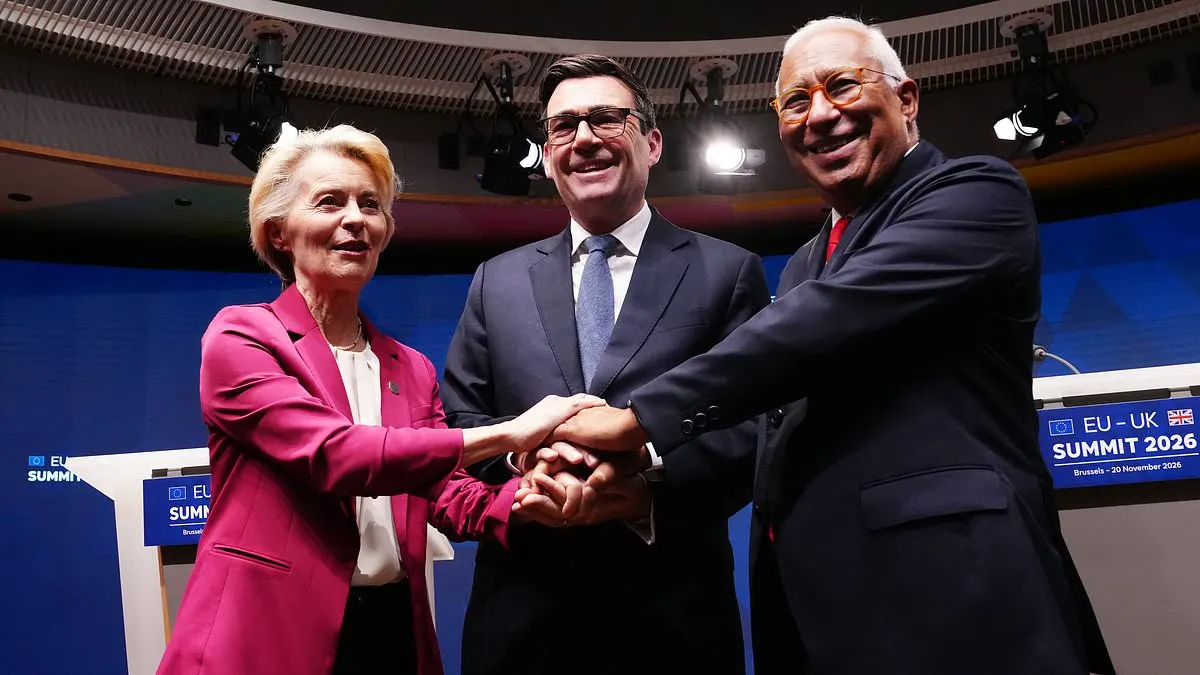
The UK and EU have agreed a package to bring Britain into closer alignment with the bloc, with Prime Minister Andy Burnham presenting it as a way to ease living costs and boost growth. Critics who oppose closer EU ties argue the concessions weaken British sovereignty and offer too little in return.
A central proposal is a youth mobility scheme for people aged 31 and under, with up to 100,000 work visas issued annually and stays of up to three years, allowing a maximum of 300,000 EU citizens in the UK at once. The EU is also seeking domestic-rate tuition fees for its students in Britain, potentially cutting annual fees from as much as £38,000 to £9,970; the article says this could cost taxpayers up to £485 million a year, and negotiations have a six-month deadline.
In short
- UK and EU agree a package for closer cooperation.
- Youth scheme could allow 300,000 EU citizens in Britain at once.
- Tuition fee demands remain unresolved.
Steelman: both sides, in good faith
The strongest fair case each way — we don't pick a winner.
The case for
Supporters could argue that a time-limited youth mobility scheme would give young people meaningful opportunities to work and study, while helping UK employers fill vacancies and strengthening ties with European countries. They may see closer cooperation and lower tuition fees for EU students as investments in growth and future relationships, with annual visa limits and a six-month negotiating deadline providing scope to manage the arrangement.
The case against
Critics could argue that admitting up to 300,000 EU citizens at once, alongside domestic-rate tuition, could add pressure to housing and public services and leave taxpayers carrying a substantial cost. They may also see the package as giving the EU significant benefits while reducing Britain’s control over migration and policy, without clear evidence in the report that the economic gains would outweigh those costs.
Explained simply
Youth mobility schemes let people live and work in another country for a limited time, often to gain work or study experience. The UK left the EU in 2020, ending the freedom of movement that had allowed British and EU citizens to live and work across each other’s countries.
The UK and EU are now discussing closer cooperation, including temporary work and study opportunities for young people. The main players are the British government, which negotiates on behalf of the UK, and the EU, which represents its member countries.
The proposals matter because they could affect who can work or study in Britain, and what students pay. They also raise questions about immigration, public costs and how closely the UK should align with the EU.
Europe Government Politics World
Read the full article at the source →
Originally published by Daily Mail as “Anatomy of a Brexit surrender: Burnham swaps ‘free movement’ for 300,000 ‘young’ Europeans and obeying EU rules for smoother cross-border trade”.