World news and discussion on TalkFuse.
King volunteers to pay controversial ‘mansion tax’ on Royal palaces when it comes into force in 2028
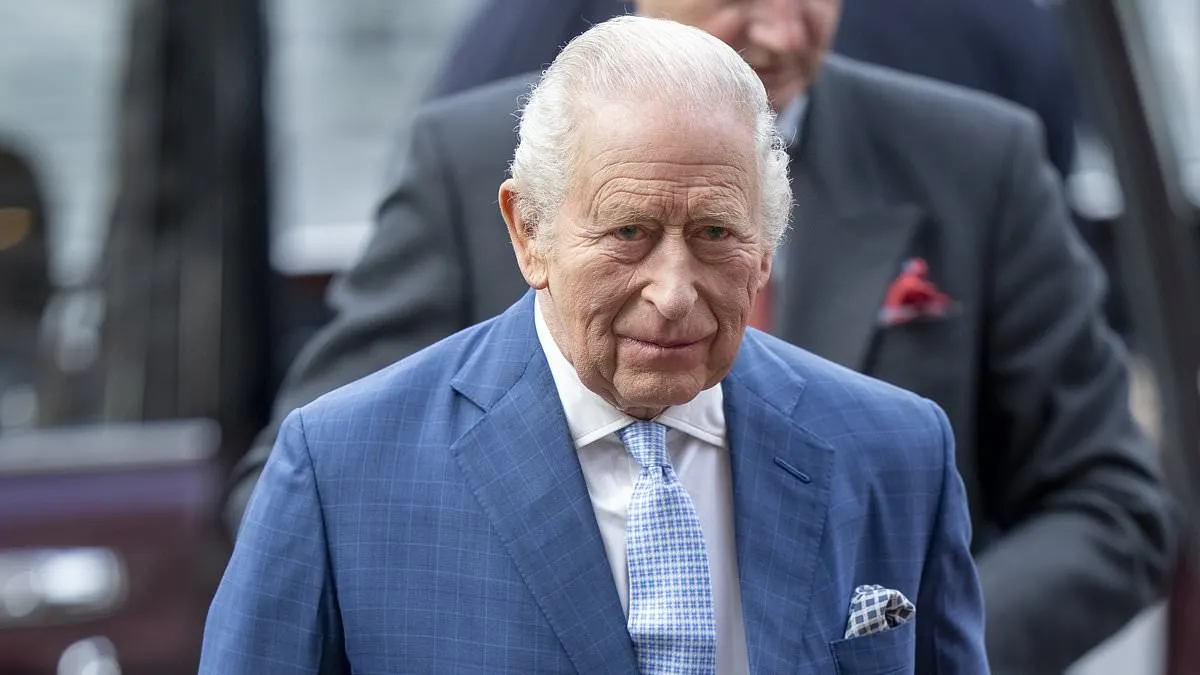
King Charles has volunteered to pay the new High Value Council Tax Surcharge on eligible royal properties, even though the Crown is legally exempt. The decision, conveyed to the Treasury, is presented as part of the Royal Household’s commitment to transparency and accountability.
The surcharge takes effect in England on 1 April 2028 for homes valued at £2 million or more, with annual charges from £2,500 to £7,500. Which royal residences will be included remains unclear: Buckingham Palace and Windsor Castle are held by the King as Sovereign, while private estates such as Sandringham may also qualify. Holyroodhouse, Balmoral and Hillsborough Castle are outside the tax’s English scope; Charles previously disclosed paying £12.9 million in tax in 2024–25.
In short
- Charles will pay the property surcharge despite the Crown’s exemption.
- The tax starts in England in April 2028 for homes worth £2 million or more.
- It remains unclear which royal residences will face bills.
Steelman: both sides, in good faith
The strongest fair case each way — we don't pick a winner.
The case for
Voluntarily paying the surcharge could demonstrate that the monarchy accepts a public contribution comparable to that expected of other owners of high-value homes, supporting confidence in its transparency and accountability. The charge is intended to raise revenue from valuable property, and applying it to eligible royal residences could reinforce the principle that wealth and status should not exempt people from shared obligations.
The case against
The Crown’s legal exemption reflects the distinct constitutional status and public functions of some royal properties, so treating them like ordinary private homes may blur the line between state assets and personal wealth. Since it is not yet clear which residences would qualify, a voluntary payment could also create uncertainty about how public costs and responsibilities attached to official properties should be assessed.
Explained simply
The High Value Council Tax Surcharge is a new annual charge for homes in England valued at £2 million or more. It is due to take effect on 1 April 2028, with charges ranging from £2,500 to £7,500.
Royal properties have different legal and ownership arrangements. Buckingham Palace and Windsor Castle are held by the King as Sovereign, while Sandringham is a private estate; the Crown is legally exempt from the surcharge. Which residences would qualify under the new rules has not been made clear.
The surcharge applies only in England, so it does not cover residences such as Holyroodhouse, Balmoral or Hillsborough Castle. The issue raises questions about how tax rules apply to public and private royal property.