Business news and discussion on TalkFuse.
UK and EU outline plans for food, emissions and youth deals
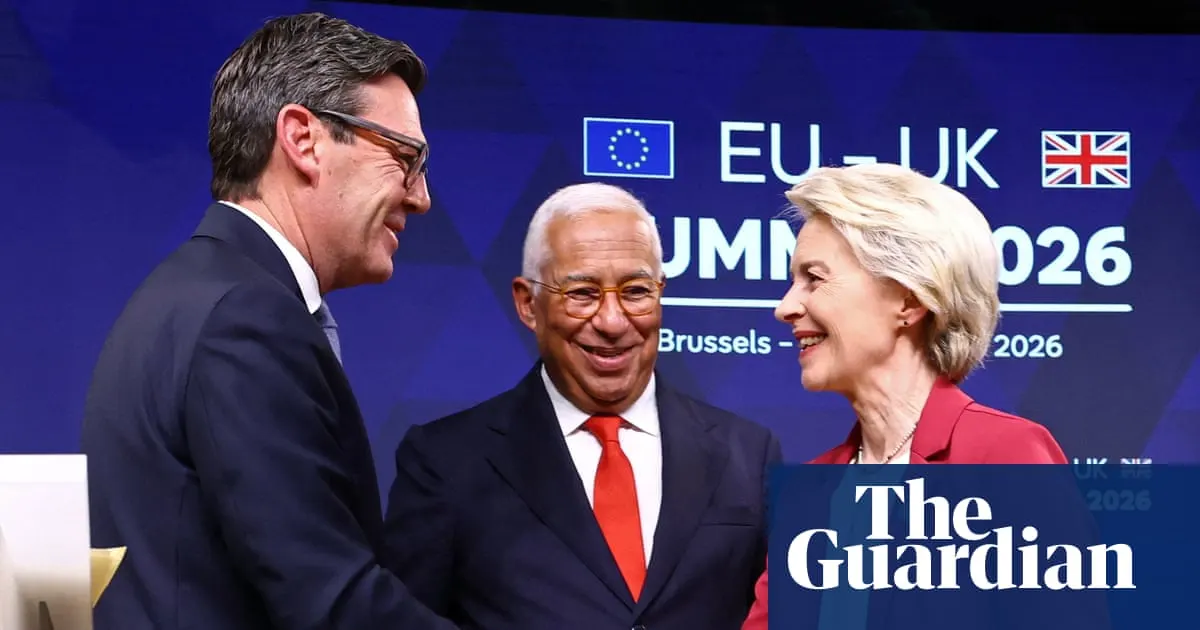
The UK and EU have agreed a 12-page statement setting out three main deals on food and drink trade, emissions trading and youth exchanges. The agreements could reduce trade barriers and give young people more opportunities to live, work and study across borders, but their implementation depends on resolving a dispute over university tuition fees.
The food and drink deal would ease checks on most animal and plant products and is intended to apply from March 2028; the emissions schemes are also expected to be linked in 2028. The youth scheme would allow up to 100,000 people from each side each year to spend up to three years in the other, by 2030 at the latest. The UK will align with relevant EU laws but can only observe related discussions, while talks continue on tuition fees and a possible return to the EU electricity market.
In short
- UK and EU agree three main reset deals.
- Youth scheme could cover 100,000 people each way annually.
- Tuition fees remain an obstacle to final sign-off.
Steelman: both sides, in good faith
The strongest fair case each way — we don't pick a winner.
The case for
Supporters could argue that closer UK-EU arrangements would reduce checks and costs for food and drink businesses, strengthen cooperation on emissions trading and widen opportunities for young people to live, work and study across borders. Aligning with relevant EU rules may make these benefits more practical, while observer status preserves a formal role in discussions.
The case against
Critics could argue that reducing barriers through alignment with EU laws limits the UK’s freedom to set its own rules, especially when it can observe related discussions but not shape them. The deals also depend on unresolved questions such as tuition fees, and their delayed implementation means the promised benefits are uncertain and may not justify the compromises involved.
Explained simply
The UK and EU trade closely with each other, but leaving the EU changed the rules and checks that apply to goods crossing their borders. Food and drink can require extra checks because of rules on animal and plant health, while emissions trading schemes put a price on pollution from industry and power generation.
The UK government and the EU institutions are negotiating ways to make some of these arrangements work more closely. A youth exchange scheme would also create routes for young people to spend time living, working or studying on the other side. The plans involve the UK following some relevant EU rules, while having a limited role in discussions about them.
The arrangements could affect businesses, energy producers and people hoping to spend time abroad. Their practical scope depends on the terms agreed, including how university tuition fees would work for participants.
Business Climate Culture Europe Food Geopolitics Politics Science Software Technology UK World
Read the full article at the source →
Originally published by The Guardian as “What exactly is in the deal between the UK and the EU?”.