World news and discussion on TalkFuse.
Patrick Clancy can proceed with lawsuit against medics who treated ex-wife Lindsay before she killed couple’s three children, judge rules
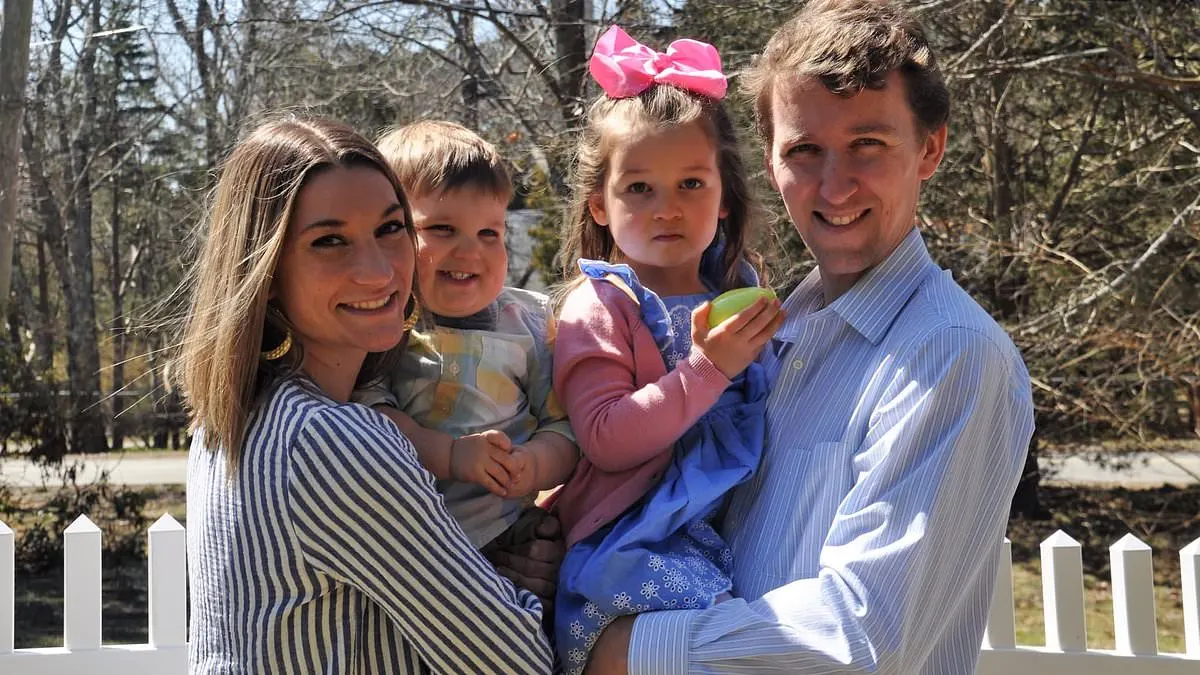
A judge has allowed Patrick Clancy’s wrongful death lawsuit against the healthcare providers who treated his ex-wife, Lindsay, to proceed. Clancy alleges they failed to recognise and respond to her worsening mental illness before she killed their three children in January 2023; the ruling means those claims can be considered in court, but does not decide whether the providers were negligent.
Norfolk Superior Court Judge Michael Doolin rejected the providers’ argument that the deaths could not have been anticipated, citing allegations that Lindsay told her psychiatrist and nurse practitioner she was suicidal and had thoughts of killing her children. The lawsuit, filed on behalf of Clancy and the children’s estates, names two clinicians, Aster Mental Health and South Shore Health System. Lindsay’s first murder trial ended in a mistrial in September after a jury split 11 to 1 to acquit; she is due to face a retrial in March 2027, while Massachusetts’ highest court has agreed to hear her appeal.
In short
- Patrick Clancy’s lawsuit against Lindsay’s former healthcare providers can proceed.
- The judge cited alleged warnings about suicidal and homicidal thoughts.
- Lindsay’s retrial is scheduled for March 2027, and her appeal will be heard.
Steelman: both sides, in good faith
The strongest fair case each way — we don't pick a winner.
The case for
Clancy’s case is that clinicians have a duty to respond appropriately when a patient reports suicidal thoughts and thoughts of harming her children, and that the alleged disclosures gave them reason to recognise a serious, foreseeable risk. Allowing the suit to proceed gives a court the chance to examine what the providers knew, what care they gave and whether any failures contributed to the deaths.
The case against
The providers’ position is that the deaths may not have been reasonably foreseeable, and that clinicians should not be held liable for a patient’s actions unless the evidence shows they failed to meet their professional duties. Their argument also reflects the difficulty of predicting rare acts of extreme violence from reports of mental distress; the judge’s ruling permits the claims to be tested but does not establish negligence.
Explained simply
Patrick and Lindsay Clancy were married and had three children. In January 2023, Lindsay killed the children; she has pleaded not guilty, and the criminal case is continuing.
Patrick Clancy’s civil lawsuit accuses the clinicians and health organisations that treated Lindsay of failing to respond to her worsening mental illness. It names two clinicians, Aster Mental Health and South Shore Health System. The claims concern what the providers knew and how they acted before the killings.
The civil case is separate from the criminal proceedings against Lindsay. It matters because it will examine whether healthcare providers may be held legally responsible for their care; the claims have not been proved, and the lawsuit does not decide Lindsay’s criminal case.