World news and discussion on TalkFuse.
Jensen Huang’s ‘Lying’ Alarmed Nvidia Board Ahead of His Resignation
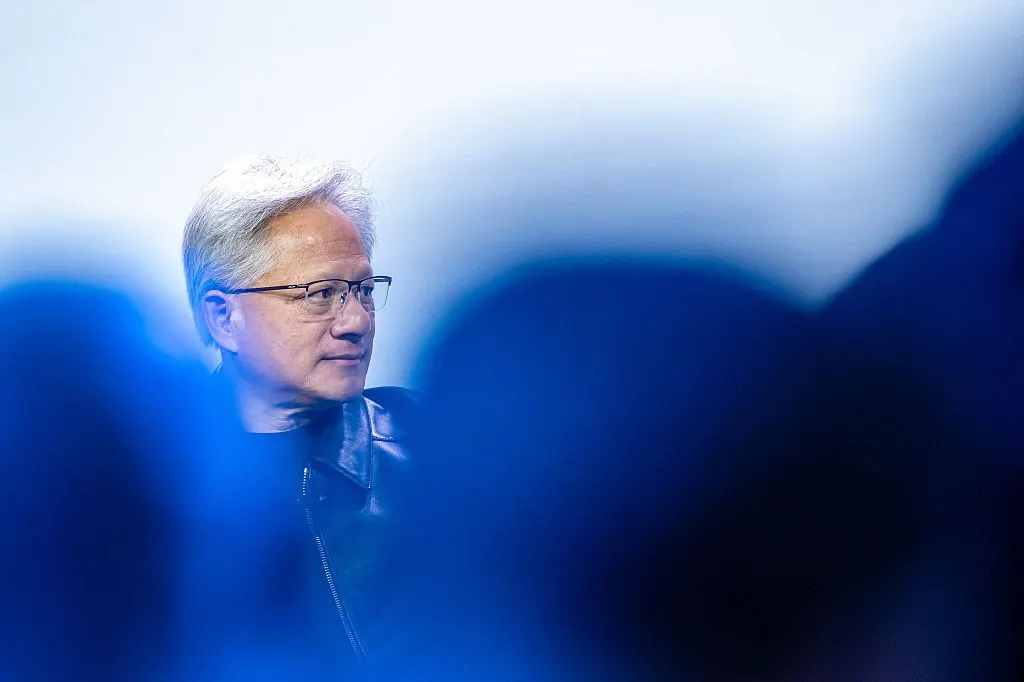
Jensen Huang resigned from Nvidia after the board concluded that repeated dishonesty had damaged its trust in him, according to people familiar with private discussions. The board’s concern centred on his alleged lack of candour over relationships, including one with Alice Huang, amid questions about possible Chinese intelligence links.
Sources said board members had asked Huang about Alice Huang after reports in October 2025 described Nvidia’s business ties with Megaspeed, where she worked; he denied an inappropriate relationship at the time. The board announced an independent investigation on 8 November, but China has rejected the claim that Alice Huang was a spy, and Nvidia and Huang’s representatives declined to comment. The episode has also prompted calls for government investigations, a request for Nvidia’s general counsel to testify in Washington, and shareholder lawsuits alleging misleading statements.
In short
- The board’s main concern was Huang’s alleged dishonesty.
- Questions remain about Alice Huang’s possible intelligence links.
- Government scrutiny and shareholder lawsuits have followed.
Steelman: both sides, in good faith
The strongest fair case each way — we don't pick a winner.
The case for
The board could reasonably view candour as essential to its oversight duties, especially where a senior executive’s personal relationships might intersect with commercial ties and potential national-security concerns. If Huang gave misleading answers about matters relevant to the company, an independent inquiry and a loss of confidence in his leadership could be justified, even before every allegation is resolved.
The case against
The allegations remain contested, and the account relies on people familiar with private discussions; China has rejected the claim that Alice Huang was a spy, and the parties declined to comment. Huang’s defenders could argue that resignation based on disputed claims risks treating suspicion as proof, while investigations and due process should establish whether he misled the board or whether the relationship posed any genuine company or security risk.